
Never-ending healthcare crisis: Professionals maintain strike and accuse government of "staging" while patients die.
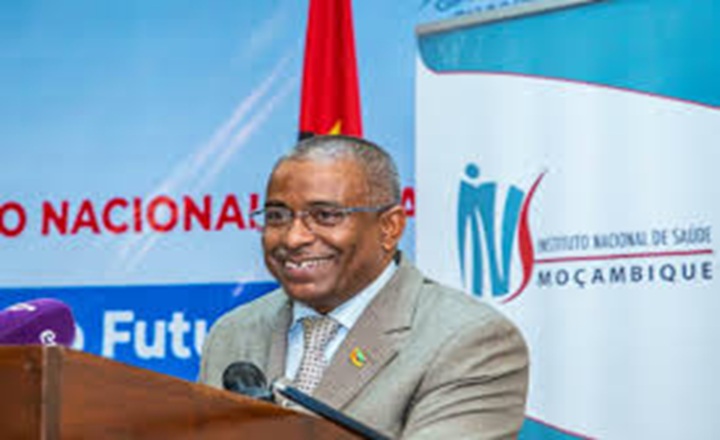
The health crisis in Mozambique continues to worsen. The Association of United and Solidarity Health Professionals of Mozambique (APSUSM) announced the continuation of the national strike and hardened its tone against the government, accusing it of turning dialogue into mere "entertainment," without concrete solutions, while thousands of patients face shortages of medicines, hospital supplies, and basic care.
In a press conference held this week, the association denounced what it considers to be a silent collapse of the national health system, holding the Ministry of Health responsible for the deterioration of hospital conditions and demanding the resignation of the minister, Ussene Hilário Isse.
“While this statement is being read, citizens are dying without serum, antibiotics, gloves, anesthetics, and even oxygen,” denounced Anselmo Muchave, president of APSUSM, in a statement marked by strong criticism of the Executive.
According to the organization, since January 1, 2026, at least 2,673 preventable deaths have been recorded in the country's health units, resulting from diseases considered treatable in minimally functional health systems. For the association, these human losses represent an alarming picture of the failure of public health services.
The national strike, which began on January 16th, is expected to continue indefinitely. Healthcare professionals say they are tired of unfulfilled promises regarding salaries, allowances, career progression, overtime pay, and improved working conditions.
APSUSM also accuses the Government of conducting a fruitless dialogue, alleging that the representatives sent to the negotiations lack the autonomy and technical competence to make commitments. "It's not dialogue, it's a charade to buy time while patients continue to die," criticized Muchave.
The association also revealed alleged serious irregularities in the drug storage and distribution system, detected during a monitoring of the Medicines and Medical Supplies Center. Among the problems pointed out are medicines close to their expiration date or expired medicines sent to health units, leaks in the warehouses, lack of hygiene and the presence of rodents and pigeons, factors that, according to APSUSM, jeopardize patient safety.
In addition to the lack of medication, professionals are reporting hospitals lacking adequate food, a shortage of bed linens, a scarcity of surgical supplies, and deficiencies in the functioning of critical care units, including pediatric intensive care.
Describing the situation as a "silent massacre," APSUSM announced the suspension of its participation in meetings deemed unproductive and promised to forward complaints to the Ombudsman, Parliament, and international partners, alleging violations of the right to health and mismanagement of public resources.
At the same time, the organization is preparing a national mobilization involving health professionals and civil society to pressure for the minister's resignation and demand urgent measures to restore the functioning of the national health system.
"The technicians have no lack of willingness. What is lacking is management, seriousness, and accountability," the association concludes, making it clear that the strike will only end after the signing of a formal agreement with deadlines, a budget, and independent oversight mechanisms.
Outras noticias

Culture
Launched at BCI, a book that immortalizes memories and humor of Zambézia
2026-10-02
Society
International Coffee Day
2026-10-02

Society
Minister Mathlombe squanders his term on empty promises
2026-10-02
policy
Constitutional Council Awards Purchase of Luxury Vehicles for 49.5 Million Meticais
2026-10-01

Culture
International Coffee Day: Aroma, Flavor, and History
2026-09-30
Copyright Jornal Preto e Branco All rights reserved . 2025