
Government admits to shortcomings in fuel distribution and promises to strengthen oversight
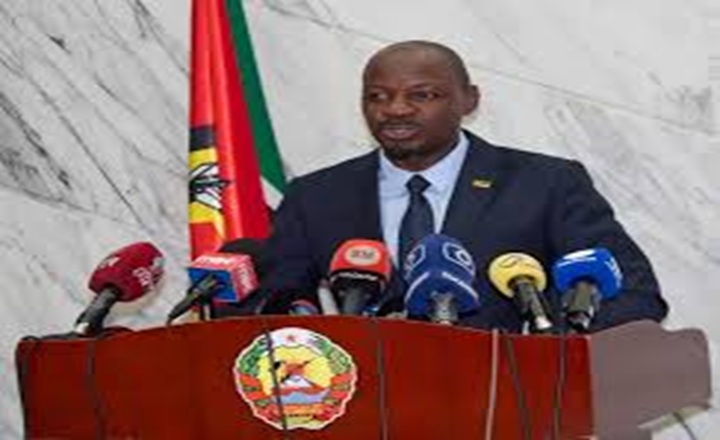
The Mozambican government has acknowledged the existence of flaws and irregularities in the fuel distribution system, at a time when several regions of the country continue to face supply difficulties. The government admits that the current crisis has exposed weaknesses in the functioning of the logistics chain and in the control of the semi-collective passenger transport sector.
During the Council of Ministers briefing, the government spokesperson, Inocêncio Impissa, revealed that investigations are underway to determine the specific causes of the fuel shortages reported in various parts of the country. He explained that authorities have identified situations considered regular and others classified as irregular throughout the distribution process.
Impissa highlighted that a significant portion of semi-collective transport operators operate without formal registration, which hinders organized access to subsidies granted by the State to minimize the impact of rising fuel prices. For the Government, this informality compromises not only the management of the sector but also the effectiveness of the support measures implemented to protect citizens from the increased cost of living.
"The fuel subsidy is not intended to directly benefit transporters, but rather to alleviate the burdens borne by the population," the spokesperson stated, adding that some municipalities have already begun processes to regularize informal transporters with the aim of strengthening control and improving the functioning of the system.
Regarding the supply crisis, the Executive considers it worrying that difficulties persist in the domestic market despite the existence of sufficient reserves in ocean terminals. According to the Government, the terminals have enough fuel to guarantee the country's supply for two to three months, which indicates that the main problems may be linked to failures in the distribution chain.
The authorities also confirmed that disciplinary measures have already been applied against some operators involved in practices considered irregular, including the suspension of licenses of distributors accused of diversion or improper distribution of fuels.
The Government also warned of the risks associated with the improper storage and handling of fuels, urging strict compliance with safety standards to avoid accidents and situations of public danger.
On the same occasion, Inocêncio Impissa also referred to the recent cases of violence involving activists and citizens in different provinces of the country. The Executive condemned acts of private justice and assured that the authorities are working to identify and hold accountable the perpetrators of the violent episodes.
Regarding the criticisms raised about the recent appointments of State Inspectors-General, the Government defended that the President of the Republic acted within the powers conferred upon him by law. According to Inocêncio Impissa, the choices were based on criteria of trust, experience, and capacity to ensure the effective functioning of the State's oversight bodies.
Outras noticias
Culture
Launched at BCI, a book that immortalizes memories and humor of Zambézia
2026-10-02
Society
International Coffee Day
2026-10-02
Society
Minister Mathlombe squanders his term on empty promises
2026-10-02
policy
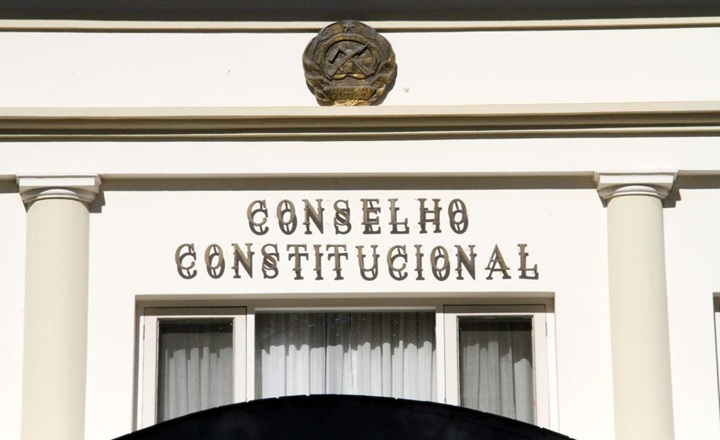
Constitutional Council Awards Purchase of Luxury Vehicles for 49.5 Million Meticais
2026-10-01
Culture
International Coffee Day: Aroma, Flavor, and History
2026-09-30
Copyright Jornal Preto e Branco All rights reserved . 2025