
UNIDO trains fish farmers in Biosecurity
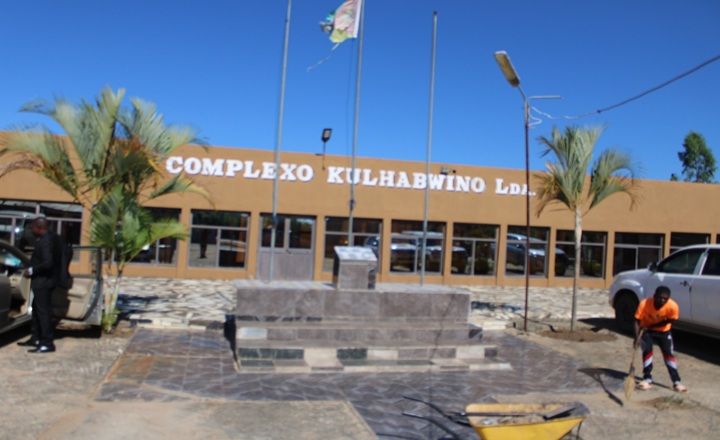
The United Nations Industrial Development Organization (UNIDO) is reinforcing its commitment to safer and more sustainable fish farming in Mozambique by training producers in biosecurity matters. The initiative took place in the Vanduzi district and brought together fish farmers from the provinces of Sofala, Manica and Tete, with the aim of strengthening knowledge about disease prevention and the implementation of biosecurity plans in fish farming production units.
In a context where fish farming is growing in the country, following the trend already observed in the poultry sector, UNIDO warned that the success of the business depends not only on good infrastructure or quality feed, but above all on the adoption of effective preventive measures. During the training, it was emphasized that the occurrence of diseases can seriously compromise productivity, increase treatment costs, reduce fish growth and, in more severe cases, lead to the loss of markets.
The central focus of the training was on risk analysis, understood as an essential tool for anticipating and mitigating health threats. The trainers explained that risk is determined by three main factors: the hazard (the disease itself), the probability of occurrence, and the associated consequence. The higher the probability and the more serious the consequences, the greater the degree of risk and, consequently, the higher the priority for intervention should be.
Through practical examples, participants were led to reflect on how diseases can reach fish tanks, even when they originate in distant regions or neighboring countries. Among the main risk factors identified were the introduction of diseased fish, the movement of people between different farms without adequate control measures, the use of contaminated equipment such as shared nets, and the water itself, which can act as a vehicle for pathogens.
The training also sought to deconstruct the idea that producers who have never faced outbreaks are automatically protected. According to the technicians, the size of the production influences exposure to risk: the greater the number of tanks and the volume of fish, the greater the likelihood of sanitary problems occurring. Thus, prevention must be transversal, regardless of the scale of the activity.
In practical terms, UNIDO presented four fundamental steps for implementing a biosecurity plan: hazard identification, risk assessment, risk management, and process documentation. Identification includes not only known diseases but also practices and procedures that may pose a threat, such as water quality, food transport, and the introduction of new fish batches. Risk assessment allows for classifying the probability from remote to certain and estimating the severity of the consequences, which can range from localized losses to total crop mortality.
The trainers explained that risk management involves adopting concrete measures to block the entry and spread of diseases, while documentation ensures the systematic recording of implemented actions, facilitating continuous control and monitoring. In this context, biosecurity should be seen as a strategic investment and not as an additional cost. Beyond the direct losses associated with mortality, a disease can compromise product quality, affect customer confidence and, in extreme scenarios, lead to the closure of the business. In this sense, the training promoted by UNIDO reinforces the need for a change in mindset in the national aquaculture sector, focusing on prevention as a guarantee of economic sustainability and food safety.
Outras noticias

Culture
Launched at BCI, a book that immortalizes memories and humor of Zambézia
2026-10-02

Society
International Coffee Day
2026-10-02

Society
Minister Mathlombe squanders his term on empty promises
2026-10-02

policy
Constitutional Council Awards Purchase of Luxury Vehicles for 49.5 Million Meticais
2026-10-01

Culture
International Coffee Day: Aroma, Flavor, and History
2026-09-30
Copyright Jornal Preto e Branco All rights reserved . 2025