
UN accuses: Taliban's gender policies worsen health crisis in Afghanistan
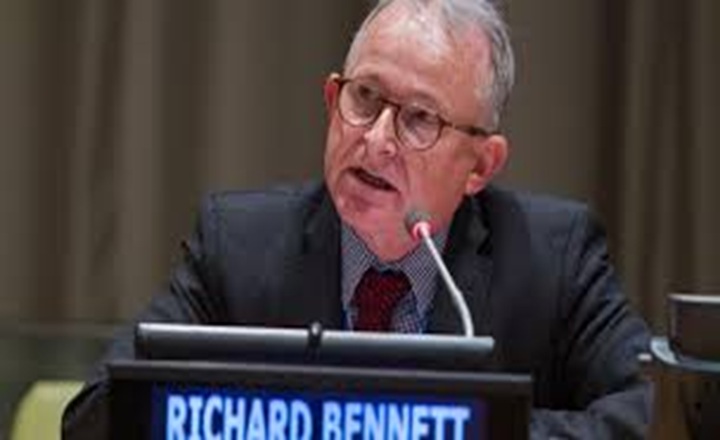
The systematic restriction of women's and girls' access to health services is transforming Afghanistan's fragile system into a "large-scale health catastrophe," warned UN Special Rapporteur Richard Bennett this week.
Before the Human Rights Council in Geneva, the expert denounced that the Taliban authorities impose "oppressive gender" policies that not only limit women's freedom of movement and right to work, but also reinforce segregation in health units. According to the Lusa news agency, Bennett classified these measures as part of an institutionalized system of discrimination that deprives Afghan women of autonomy over their own bodies and future.
The crisis is fueled by two factors: on the one hand, by internal barriers imposed by the regime; on the other, by the drastic reduction in international funding, which is already weakening vital health programs. The UN report stressed that the country, already weakened by decades of conflict and poverty, is now facing an unprecedented worsening situation.
Among the most critical points is the ban on medical education for women, in effect since last year. According to Bennett, this measure compromises the training of new professionals and puts the entire health sector at risk, potentially resulting in an increase in illness, avoidable suffering, and unnecessary deaths. "If it is not reversed," he warned, "it will have lasting impacts on families and future generations."
According to the rapporteur, the systematic and discriminatory nature of these practices reinforces the indications that they may constitute crimes against humanity, making a response from the international community urgent.
Outras noticias
Culture
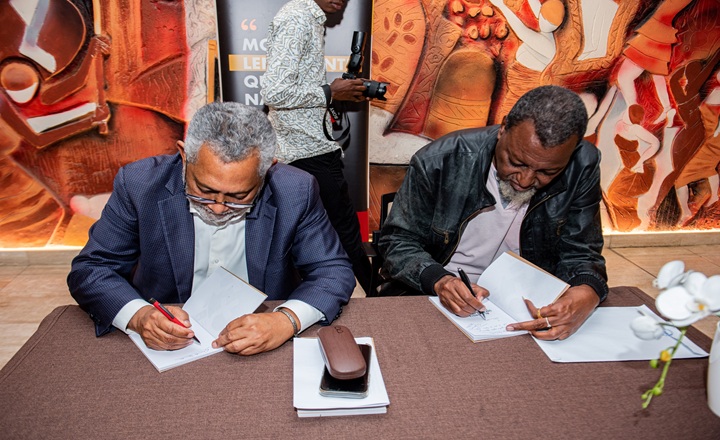
Launched at BCI, a book that immortalizes memories and humor of Zambézia
2026-10-02
Society
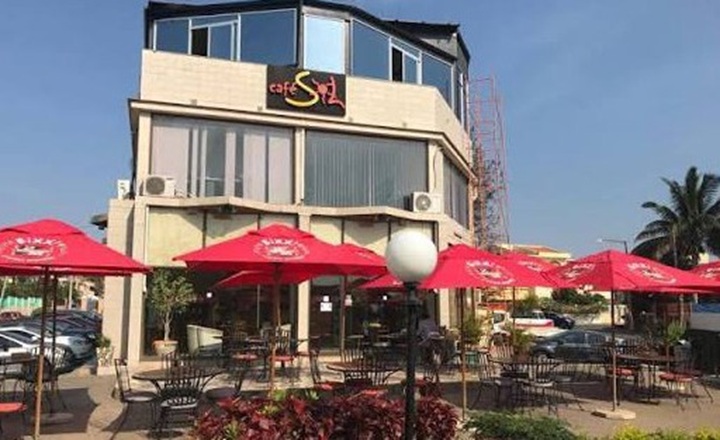
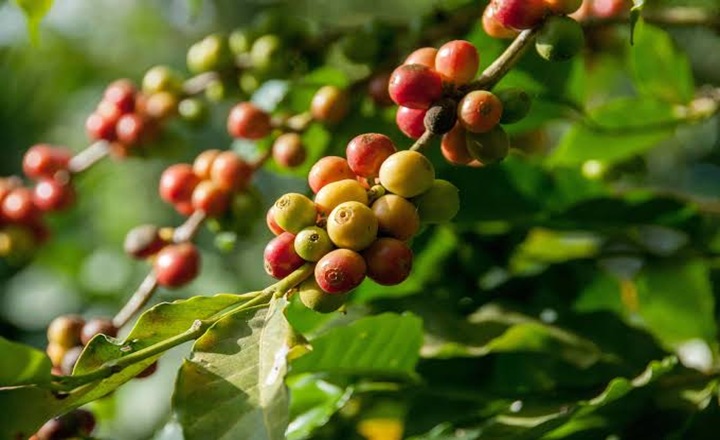
International Coffee Day
2026-10-02
Society
Minister Mathlombe squanders his term on empty promises
2026-10-02
policy
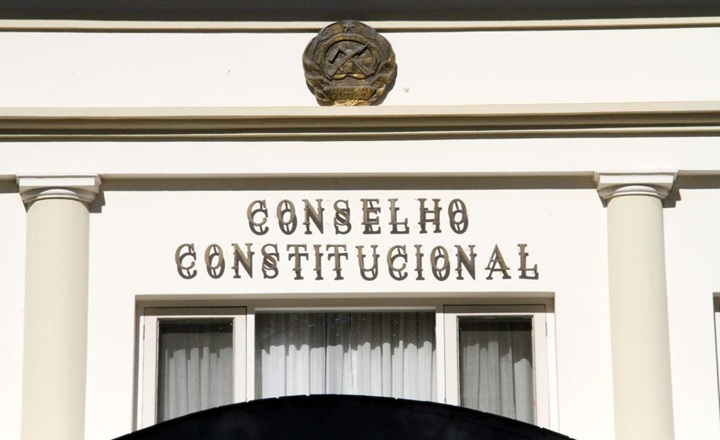
Constitutional Council Awards Purchase of Luxury Vehicles for 49.5 Million Meticais
2026-10-01
Culture
International Coffee Day: Aroma, Flavor, and History
2026-09-30
Copyright Jornal Preto e Branco All rights reserved . 2025