
Rwanda Confirms Withdrawal from Mozambique by End of May Following End of European Funding
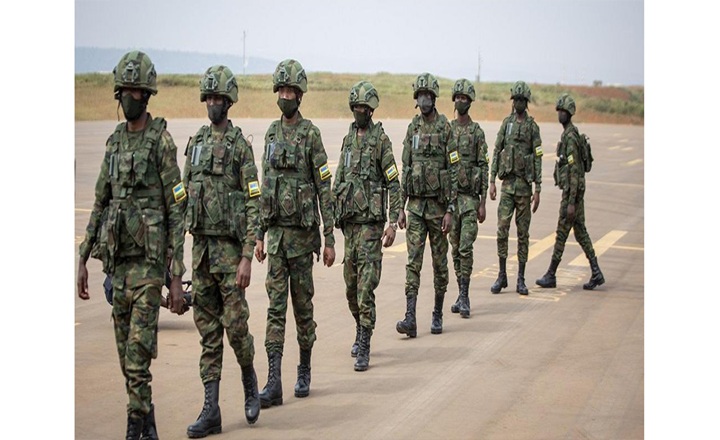
The Rwandan government has officially announced the withdrawal of its military forces deployed in Cabo Delgado, northern Mozambique, a process expected to be completed by the end of May. According to official sources, the decision is directly linked to the termination of funding from the European Union (EU), which for years supported the Rwandan mission in the fight against terrorism in the province.
The withdrawal of troops from Kigali reignites the debate about the nation's capacity to respond to insurgency and raises questions about the security strategy employed in recent years.
On one side of the political and academic spectrum, analysts consider this moment a crucial turning point. For these experts, the end of the foreign mission presents an opportunity for Mozambique to take command of its own security. They argue that the country should now channel efforts and resources into strengthening and equipping the Defense and Security Forces (FDS), thus guaranteeing the defense of its sovereignty and the capacity to autonomously deal with internal threats.
On the other hand, there are critical voices questioning the nature of the Rwandan mission. For this group, the presence of the foreign force, supported by European funds, has always been viewed with reservations. They consider the adopted model suspicious, since instead of investing in the training of local forces, the decision was made to finance an external intervention. This scenario, they argue, would have prolonged Mozambique's dependence and prevented the country from developing the necessary skills to resolve the conflict on its own.
Outras noticias
Culture
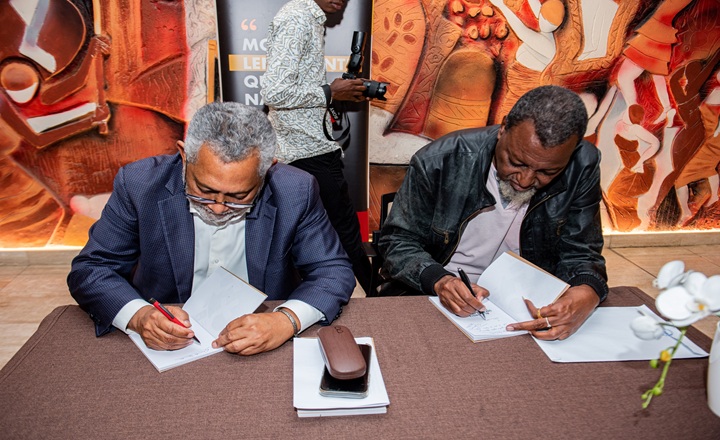
Launched at BCI, a book that immortalizes memories and humor of Zambézia
2026-10-02

Society
International Coffee Day
2026-10-02
Society
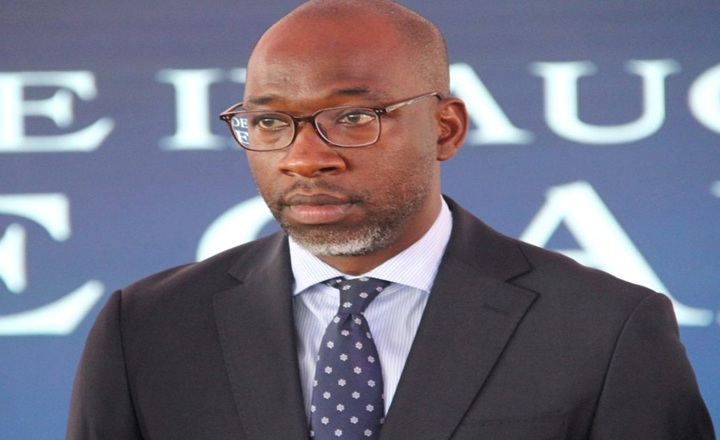
Minister Mathlombe squanders his term on empty promises
2026-10-02
policy
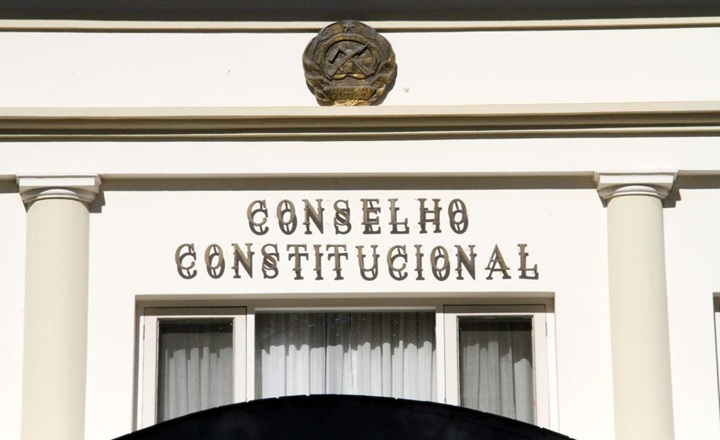
Constitutional Council Awards Purchase of Luxury Vehicles for 49.5 Million Meticais
2026-10-01
Culture
International Coffee Day: Aroma, Flavor, and History
2026-09-30
Copyright Jornal Preto e Branco All rights reserved . 2025