
Political crisis in Slovenia: Golob abandons plans to form a government after negotiations reach a deadlock
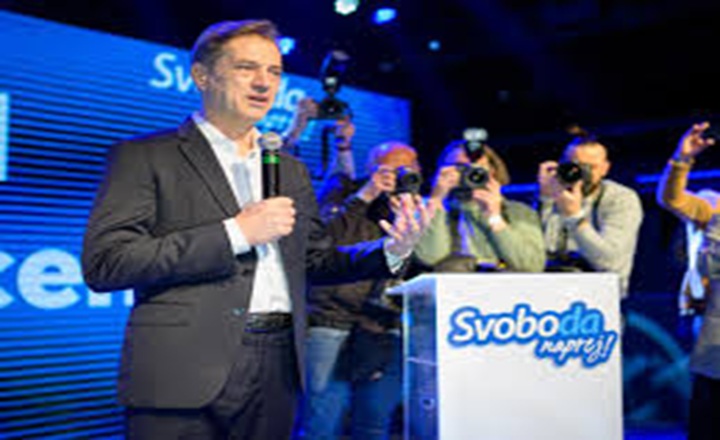
Slovenia faces a new chapter of political instability after Robert Golob announced he would not form a government, weeks after claiming victory in the March 23 parliamentary elections.
Despite his party, the Movement for Freedom (GS), winning 29 of the 90 parliamentary seats, Golob failed to gather enough support to secure a governing majority. The fragmented political landscape, with five small parties dividing the remaining seats, hampered negotiations from the outset, confirming analysts' predictions.
“We are eager to work in the opposition,” declared Golob, acknowledging the failure of coalition attempts. On the other side of the political spectrum, the Slovenian Democratic Party (SDS), led by former Prime Minister Janez Janša, came in second with 28 seats, intensifying the balance of power and the political deadlock.
During the negotiations, Golob even invited all the political groups represented in parliament to engage in dialogue, but maintained a firm stance by stating that his party "would not negotiate sovereignty," which likely limited potential alliances.
The electoral process became even more tense in the final days of the campaign, marked by accusations of foreign interference. Slovenian authorities are investigating the possible involvement of the private espionage company Black Cube in the online release of compromising recordings.
The audio recordings, which involve a lobbyist, a lawyer, and a former minister, suggest alleged cases of corruption in the outgoing government. It is suspected that the release of the recordings was intended to influence the election results in favor of Janša, known for his ideological alignment with former US President Donald Trump.
With Golob's withdrawal, Slovenia now enters a period of political uncertainty, while awaiting new solutions for the formation of a government or, possibly, a new electoral scenario.
Outras noticias
Culture
Launched at BCI, a book that immortalizes memories and humor of Zambézia
2026-10-02
Society
International Coffee Day
2026-10-02
Society
Minister Mathlombe squanders his term on empty promises
2026-10-02
policy
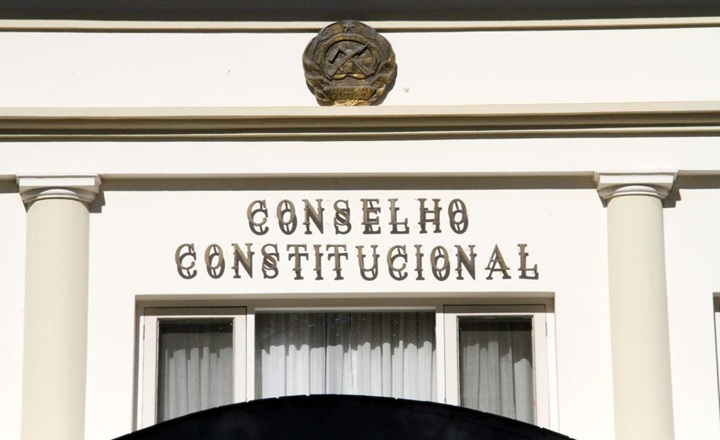
Constitutional Council Awards Purchase of Luxury Vehicles for 49.5 Million Meticais
2026-10-01

Culture
International Coffee Day: Aroma, Flavor, and History
2026-09-30
Copyright Jornal Preto e Branco All rights reserved . 2025