
National Inclusive Dialogue moves to "ruralization" phase in 2026 after positive results in 2025
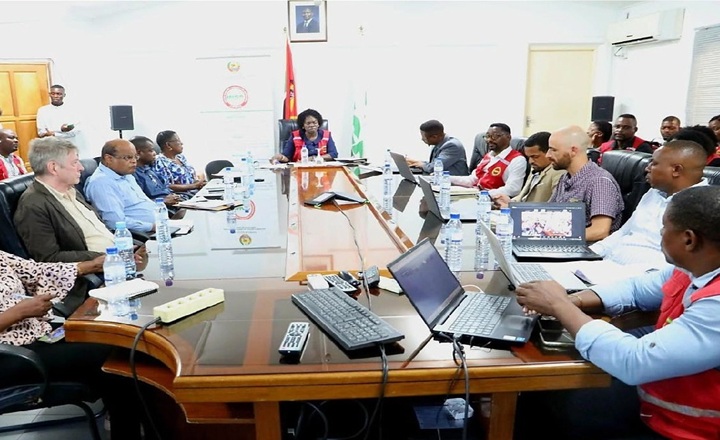
The Technical Committee of the National Inclusive Dialogue (DNI) considered citizen participation in the process during 2025 to be successful and announced its priority for 2026: to take the debate to rural areas, ensuring greater reach and representation.
The Technical Commission of the Inclusive National Dialogue (DNI) gave a positive assessment this week of the activities carried out throughout 2025, highlighting the high level of public participation and the appropriation of the process by Mozambican society. In an initial context of skepticism and polarization, the DNI established itself as a civic platform for the exercise of citizenship, democratic participation and popular sovereignty.
“Civil society has taken ownership of the national dialogue, transforming it into a space for strengthening national cohesion, reconciliation, peace, and reconnection among Mozambicans,” the Commission emphasized. According to the assessment presented, the process contributed to renewing the social contract and strengthening trust between citizens and the public sphere.
Throughout 2025, the DNI (National Inclusion Directorate) promoted consultations in all provinces and within the diaspora, involving diverse social strata, in addition to roundtables with renowned figures and specific events for women, youth, and people with disabilities. Inclusion was highlighted as a strong point, with the participation of all political parties—some with collective proposals, others individual—and the constant presence of political actors, civil society, religious denominations, academics, and the private sector.
For this year, the main focus is on the "ruralization" of the dialogue. Between March and May, the process will be based at the level of administrative posts and localities, with the aim of strengthening the territorial inclusion, representativeness and legitimacy of the DNI (National Directorate of Identity).
“We want to give space to rural elites and local populations so that their ideas and concerns can be integrated into the overall vision of Mozambicans,” the Commission explained. Decentralized roundtables are also planned in all provinces, involving academics and local actors, to prevent the debate from being restricted to urban centers or certain elites.
Following the rural and provincial consultation phase, the contributions will be systematized. The resulting proposals will then be submitted to a new cycle of public debate, focused on discussing concrete solutions.
The Commission clarified that, during this consultation phase, no proposals of its own will be submitted, maintaining the focus on receiving contributions from citizens. The formal preparation and presentation of proposals will only occur after the first semester, when the extended data collection phase is considered complete.
“The objective is to ensure that the exercise is as participatory, comprehensive and inclusive as possible, both in urban and rural areas,” the Technical Commission emphasized, reaffirming its commitment to conducting the Inclusive National Dialogue until broad consensus is reached around the diversity of ideas and visions existing in the country.
Outras noticias
Culture
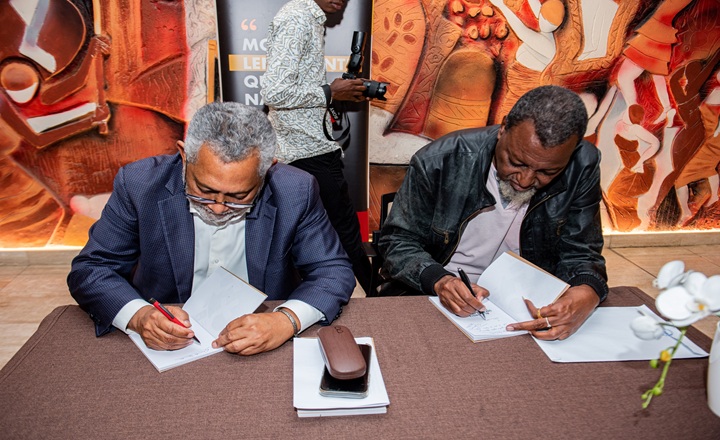
Launched at BCI, a book that immortalizes memories and humor of Zambézia
2026-10-02
Society
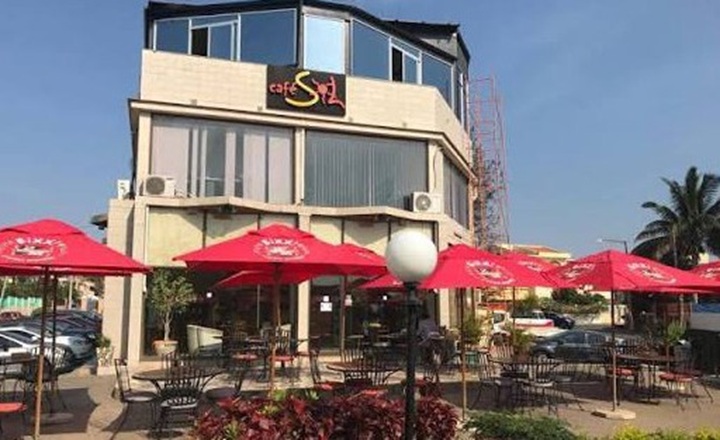
International Coffee Day
2026-10-02
Society
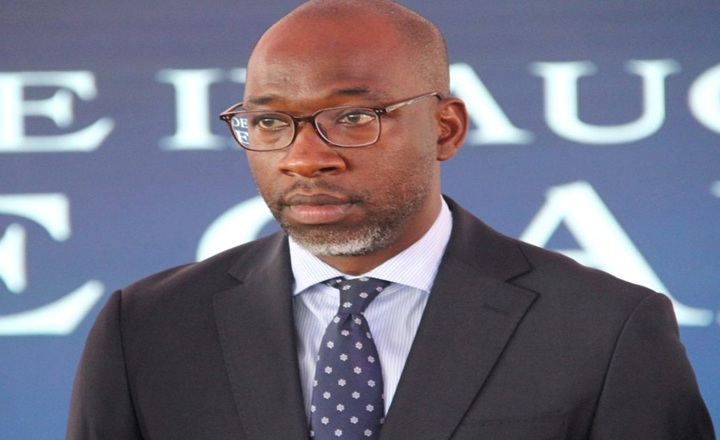
Minister Mathlombe squanders his term on empty promises
2026-10-02
policy
Constitutional Council Awards Purchase of Luxury Vehicles for 49.5 Million Meticais
2026-10-01
Culture
International Coffee Day: Aroma, Flavor, and History
2026-09-30
Copyright Jornal Preto e Branco All rights reserved . 2025