
Geopolitics and climate risks are hindering interest rate cuts in Mozambique
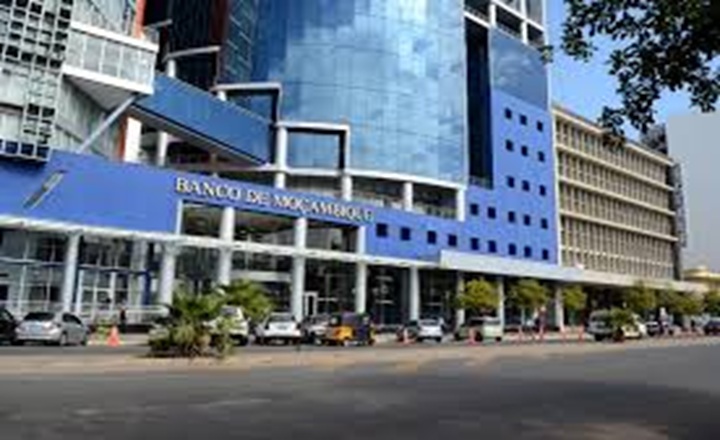
The Bank of Mozambique interrupted, this Tuesday, the cycle of reductions in the monetary policy rate, maintaining the MIMO rate at 9.25%. The decision of the Monetary Policy Committee (CPMO) comes in a context of worsening external and internal risks, notably the conflict in the Middle East and climate shocks that are putting pressure on the inflation outlook.
The Monetary Policy Committee of the Bank of Mozambique decided to maintain the monetary policy interest rate, the MIMO rate, at 9.25%. This decision interrupts the rate reduction cycle initiated in January 2024, at a time when risks associated with inflation projections materialized and worsened.
Externally, the outbreak of conflict in the Middle East has affected the global logistics chain, in addition to putting pressure on the supply and prices of energy and food products. Meanwhile, domestically, uncertainties revolve around the impact of climate shocks on logistics and the restoration of production capacity, not forgetting the effects of persistent fiscal risk, particularly delays in payments due by the State.
As a consequence of this scenario, inflation forecasts have been revised upwards. In February 2026, annual inflation was projected at 3.2%, after registering 3.0% in January. Core inflation—which excludes fruits, vegetables, and goods with administered prices—remained stable. In the short and medium term, price increases are anticipated, reflecting, among other factors, the effects of the conflict in the Middle East and the impact of recent floods, although the Metical remains stable.
Regarding economic activity, gross domestic product grew by 4.7% in the fourth quarter of 2025, a significant recovery compared to the 0.9% contraction in the previous quarter. Despite this, the outlook is for a gradual, but slower recovery due to the effects of climate shocks and the likely slowdown in the global economy.
In terms of public finances, domestic public debt continues to worsen, hindering the normal functioning of the financial market. Excluding loan agreements, leases, and overdue liabilities, domestic public debt stands at 487.3 billion meticais—an increase of 12.7 billion compared to December 2025. Alongside this, delays in government payments persist, contributing to weak demand for government bonds and rigid interest rates in the interbank money market.
Finally, the CPMO stressed that the direction of monetary policy will continue to be conditioned by the evolution of the risks and uncertainties surrounding inflation projections. The committee's next ordinary meeting is scheduled for May 27, 2026.
Outras noticias
Culture
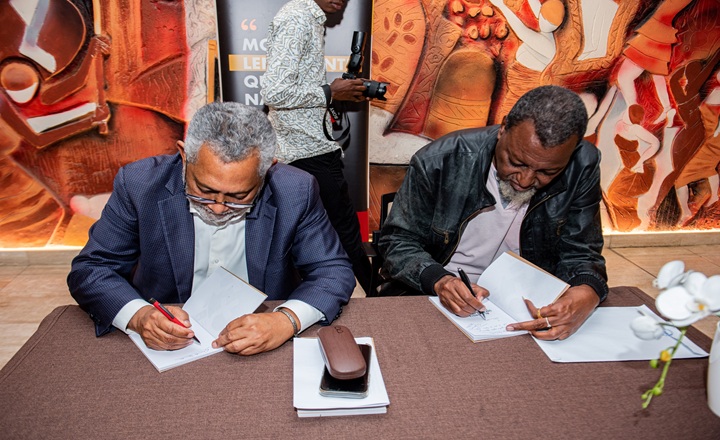
Launched at BCI, a book that immortalizes memories and humor of Zambézia
2026-10-02

Society
International Coffee Day
2026-10-02

Society
Minister Mathlombe squanders his term on empty promises
2026-10-02
policy
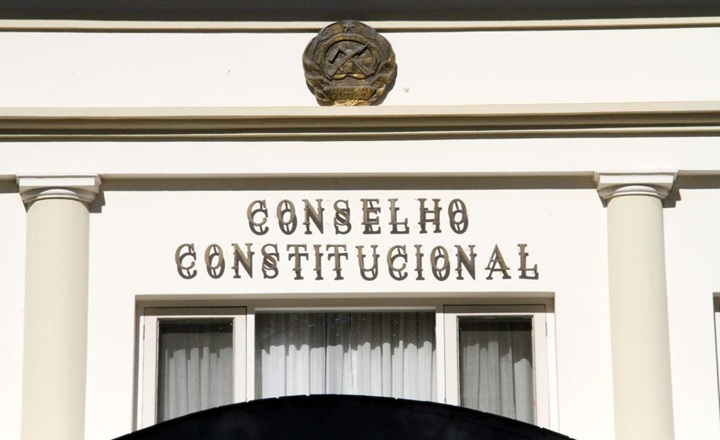
Constitutional Council Awards Purchase of Luxury Vehicles for 49.5 Million Meticais
2026-10-01

Culture
International Coffee Day: Aroma, Flavor, and History
2026-09-30
Copyright Jornal Preto e Branco All rights reserved . 2025