
Floods in Gaza threaten traffic on the N1 highway and worsen the humanitarian crisis in Xai-Xai and Chókwè
The rising water levels of the Nguluzane River in the city of Xai-Xai are jeopardizing road traffic on National Highway Number One (N1), one of the country's main connecting roads. The alert was issued by the National Roads Administration (ANE), which does not rule out the possibility of total or partial traffic disruption at any time.
According to ANE (National Roads Authority), the increased flow of the Nguluzane River is putting pressure on the structure of the bridge located over the waterway, requiring urgent maintenance work. The interventions aim to prevent undermining and erosion at the base of the infrastructure and ensure the safety of users, in a scenario marked by intensified rainfall in southern Mozambique.
During the construction work, traffic may be restricted, with alternating lanes being allowed. In more critical situations, temporary road closures are possible, which could significantly affect the flow of people and goods along the N1.
The current situation comes just days after recent disruptions in the same region. Last week, traffic was suspended for several hours due to damage caused by floods that hit the south and center of the country earlier this year. Authorities are maintaining the highest level of alert in the city of Xai-Xai, where at least ten neighborhoods remain flooded, affecting more than six thousand families.
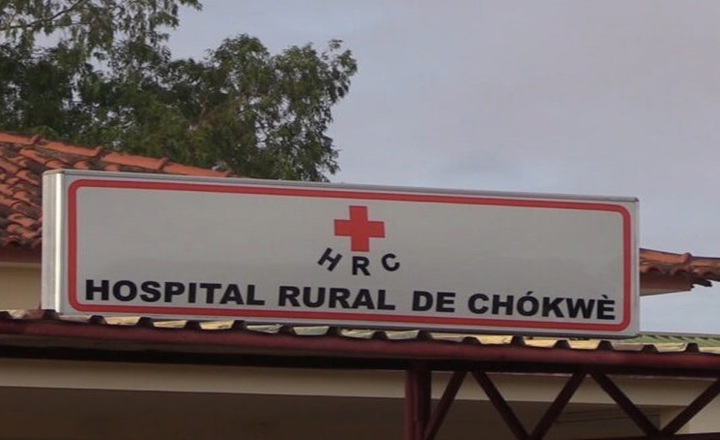
Meanwhile, in the Chókwè district, the crisis is taking on even more worrying dimensions. Populations affected by the second wave of flooding are denouncing the precariousness of the available means of crossing, warning of the risks associated with the use of improvised vessels.
According to local reports, many of the canoes used have leaks and do not meet minimum safety standards. Even so, they are the only resource available for crossing flooded areas, often overloaded with up to eight people per trip, in addition to significant quantities of food. In some cases, operators charge up to 50 meticais per crossing, a price considered high for already vulnerable families.
With no safe alternatives and insufficient support from the authorities, many citizens end up risking their lives, crossing flooded areas on foot, exposing themselves to strong currents and other dangers associated with flooding.
The situation was brought to the attention of the Governor of Gaza province, Margarida Mapandzene, who acknowledged the challenges faced by the communities. In response, she assured that a vessel is expected to be made available in the coming days to support the transportation of the affected populations, although she did not give a specific date for its arrival.
In a context where rainfall persists and river levels remain high, concern is growing regarding the evolution of the situation, both in terms of mobility and the living conditions of the population. The combination of fragile infrastructure, limited response, and an increasing number of people affected places additional pressure on the authorities, who face the challenge of ensuring safety, assistance, and lasting solutions to mitigate the impacts of the floods in the region.
Outras noticias
Culture
Launched at BCI, a book that immortalizes memories and humor of Zambézia
2026-10-02
Society
International Coffee Day
2026-10-02

Society
Minister Mathlombe squanders his term on empty promises
2026-10-02
policy
Constitutional Council Awards Purchase of Luxury Vehicles for 49.5 Million Meticais
2026-10-01

Culture
International Coffee Day: Aroma, Flavor, and History
2026-09-30
Copyright Jornal Preto e Branco All rights reserved . 2025