
Flash payment to the IMF raises suspicions: Government settles $700 million in silence
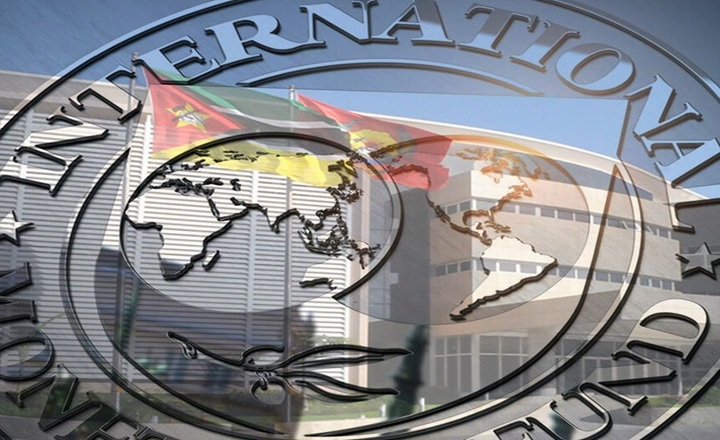
The Mozambican government settled approximately $700 million in concessional credit with the International Monetary Fund (IMF) during the month of March, wiping out in a few days a balance that, until January, stood at around $698 million. On March 27th, the institution's data showed a zero balance, a move considered unexpected.
The decision contrasts with previous projections, according to which the country could meet a longer repayment plan. Based on data from the IMF itself, economist Roberto Tibana pointed out that Mozambique had room to pay approximately $572 million by 2030 and still enter 2031 with a balance of $125.9 million, without needing to anticipate the total settlement.
In this context, debate is growing regarding the rationale that guided the Government to accelerate the full repayment of the debt, as well as the origin of the financial resources used to carry out this operation. The decision also raises concerns about its timing, considering the delicate economic situation the country is going through.
The advance payment comes at a time marked by delayed wages, high domestic debt, difficulties in repaying companies, as well as the impacts of natural disasters and worrying levels of hunger. At the same time, there is a need to strengthen financial reserves to cope with possible external shocks, especially in an international scenario influenced by tensions in the Middle East.
Given this scenario, the Executive's measure intensifies public scrutiny regarding the definition of priorities, transparency in resource management, and the sustainability of economic decisions in a country facing multiple simultaneous challenges.
Outras noticias
Culture
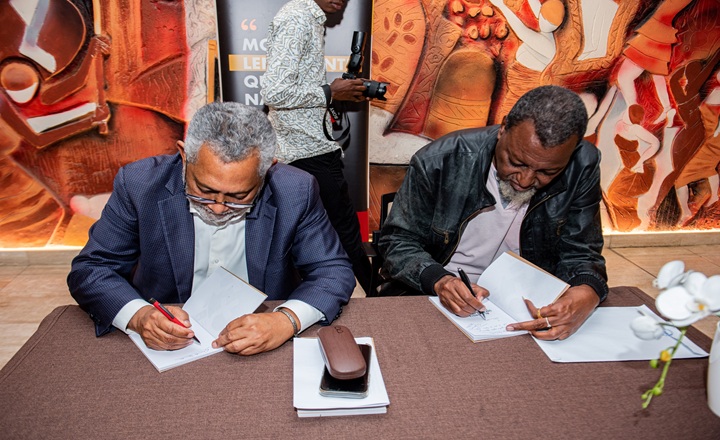
Launched at BCI, a book that immortalizes memories and humor of Zambézia
2026-10-02

Society
International Coffee Day
2026-10-02

Society
Minister Mathlombe squanders his term on empty promises
2026-10-02
policy
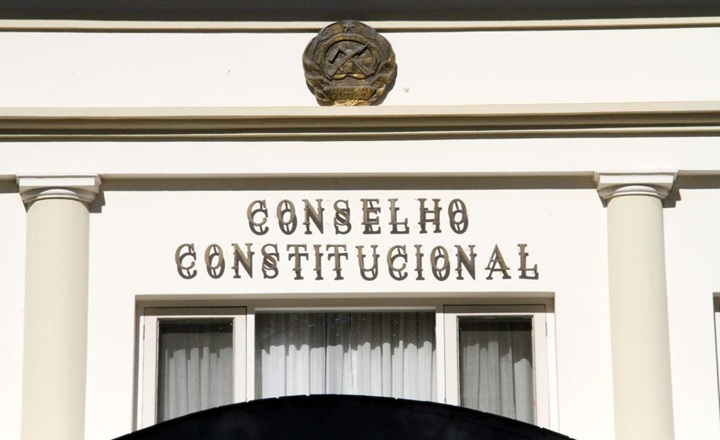
Constitutional Council Awards Purchase of Luxury Vehicles for 49.5 Million Meticais
2026-10-01
Culture
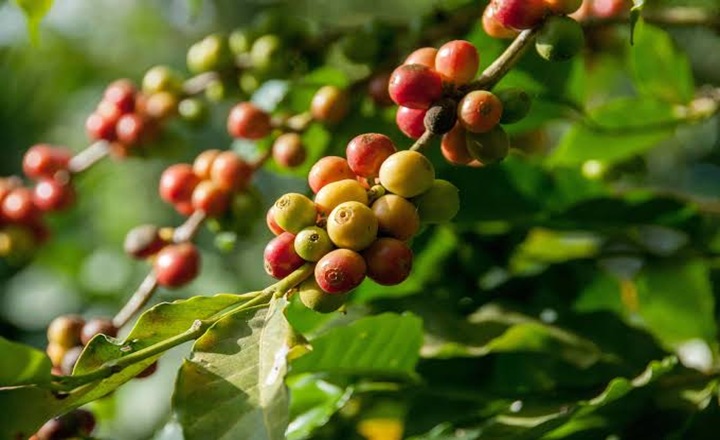
International Coffee Day: Aroma, Flavor, and History
2026-09-30
Copyright Jornal Preto e Branco All rights reserved . 2025