
Cholera: Caia faces worsening cases while Cabo Delgado moves towards the end of the outbreak
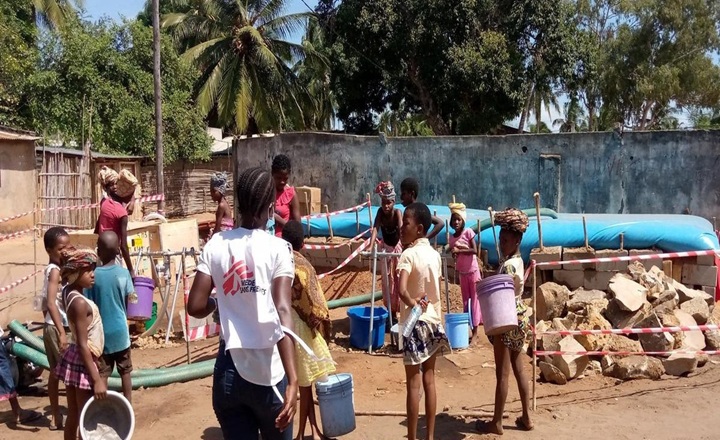
The district of Caia, in Sofala province, is once again under sanitary pressure with the registration of new cholera cases, at a time when Cabo Delgado is showing significant progress in controlling the disease. The contrast between the two regions highlights the persistent challenges in access to sanitation and drinking water in different parts of the country.
In Caia, 40 new cases were reported last Friday, with about half of the patients requiring hospitalization. Health authorities associate the resurgence of the disease with poor sanitation conditions, aggravated by an increase in open defecation. Recent data indicate that this practice has increased from 57% to 68%, substantially raising the risk of contamination of water sources and the spread of the cholera vibrio.
Water quality is another critical factor. Of the 28 samples collected for analysis, 12 were deemed unfit for human consumption, exposing thousands of residents to waterborne diseases. The situation is even more worrying in swampy areas, where stagnant water creates favorable conditions for the spread of cholera.
In response to this situation, the health sector intensified awareness campaigns and rapid response actions in the affected communities, focusing on disinfecting water sources, distributing purification products, and promoting safe hygiene practices.
In contrast, the province of Cabo Delgado is showing encouraging progress. The outbreak, previously reported in the districts of Pemba, Mecúfi, Metuge, Montepuez and Balama, has already been controlled in four of these regions, remaining active only in Balama.
Since the outbreak began in November, 1,070 cases have been recorded, of which approximately 70% required hospital admission, while the remainder were treated on an outpatient basis. The majority of cases involve women and adults over 15 years of age, a fact that authorities consider relevant for strengthening targeted prevention strategies.
In Balama, the last active outbreak, a significant downward trend in cases is observed. In the last 24 hours, only one hospitalization was recorded, a sign that the outbreak may be under control.
Despite the progress, health authorities remain on alert. The occurrence of diarrhea cases in some health units, although not associated with cholera, demonstrates the need for continuous vigilance, especially in the context of the rainy season, which increases the risk of outbreaks.
The health sector is reinforcing its appeal for the adoption of basic preventive measures, such as frequent hand washing, consumption of treated or boiled water, proper food hygiene, and the appropriate use of latrines.
Experts emphasize that combating cholera depends not only on emergency interventions, but also on structural investments in sanitation and water supply. The active involvement of communities continues to be highlighted as a key element in halting the spread of the disease and consolidating the gains already achieved in some regions of the country.
Outras noticias

Culture
Launched at BCI, a book that immortalizes memories and humor of Zambézia
2026-10-02

Society
International Coffee Day
2026-10-02

Society
Minister Mathlombe squanders his term on empty promises
2026-10-02

policy
Constitutional Council Awards Purchase of Luxury Vehicles for 49.5 Million Meticais
2026-10-01

Culture
International Coffee Day: Aroma, Flavor, and History
2026-09-30
Copyright Jornal Preto e Branco All rights reserved . 2025