
The government is moving forward with the creation of the Development Bank and preparing to resume major investments
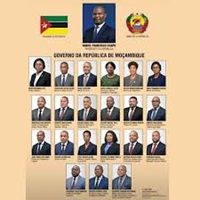
The Government has taken another step towards the start of operations of the Development Bank of Mozambique (BDM), by approving the regulations that establish the rules for the organization and functioning of the institution. The decision was made this Tuesday, during the 25th Ordinary Session of the Council of Ministers, held in the city of Chimoio, Manica province.
The announcement was made by the spokesperson for the Council of Ministers, Salim Valá, who explained that the regulation defines the bank's administrative structure, its operating rules, and the responsibilities of its main governing bodies.
Among the bodies foreseen are the General Assembly, the Board of Directors, the Supervisory Board, and the various specialized committees.
The approval of the regulation allows progress to be made with the operationalization of the BDM, created by Law No. 17/2026, of June 15. The institution emerges as part of the Government's strategy to create financing mechanisms capable of supporting economic development and facilitating access to resources for projects considered priorities.
The bank should be geared towards supporting initiatives with an impact on the national economy, contributing to the financing of strategic sectors and to the creation of conditions that favor investment and the expansion of productive activity.
In the same session, the Government assessed the implementation of the Local Economic Development Fund (FIDEL), which currently has an allocation of 824,614,426.22 meticais for interventions throughout the national territory.
The fund aims to strengthen economic development at the local level by financing productive initiatives and stimulating investment in communities.
The investment in FIDEL is part of efforts to boost local economies, increase income-generating opportunities, and promote activities that can contribute to the development of different regions of the country.
The government's attention was also focused on the natural gas sector, particularly the ExxonMobil project in the Rovuma Basin, in Cabo Delgado.
Salim Valá revealed that there are strong indications that the American multinational may announce its Final Investment Decision later this year.
The official stated that contacts between the government and the company are ongoing and that there are positive signs regarding the possibility of the project moving forward.
If the decision is confirmed, the investment could represent a significant boost for the natural gas industry in Mozambique, contributing to the revitalization of the economy, the creation of job opportunities, and the development of infrastructure associated with the sector.
The project's progress could also help to strengthen expectations surrounding the exploration of the enormous natural gas reserves in the Rovuma Basin.
Despite prospects for new investments, the Government acknowledges that the security situation in Cabo Delgado continues to be one of the main obstacles to the full resumption of economic activity in the province.
The government spokesperson clarified that terrorism has not ended in Mozambique, contradicting interpretations to that effect. According to Valá, it is a complex phenomenon with a cross-border dimension that requires a continuous response from the authorities.
Although he believes the situation is under control in several respects, the governor acknowledged that insecurity still affects the population and hinders the recovery of infrastructure and the normalization of life in Cabo Delgado.
Valá argued that stabilizing the province is essential for resuming major economic projects, particularly those related to natural gas, but also in the tourism and agriculture sectors.
In addition to ExxonMobil, the Government maintains expectations regarding other large-scale investments in the Rovuma Basin, including projects associated with TotalEnergies and ENI.
The expectation is that improved security conditions will allow for a progressive acceleration in the implementation of these projects, which have been affected by the episodes of violence recorded in the province.
The Executive believes that resuming the projects could have significant effects on the national economy, through the mobilization of investments, job creation, and the development of supply chains for goods and services.
However, the Government recognizes that the recovery of Cabo Delgado depends not only on security, but also on rebuilding infrastructure, restoring public services and ensuring conditions for the return and reintegration of the affected populations.
During the session, the Council of Ministers also reviewed the report on the participation of the President of the Republic, Daniel Chapo, in the 46th Ordinary Summit of Heads of State and Government of SADC, held in Durban, South Africa, between August 17 and 18, 2026.
The summit addressed issues of interest to the region, in a context marked by the need to strengthen cooperation between member states and promote initiatives aimed at economic development and regional stability.
The decisions taken at the Council of Ministers session thus demonstrate a simultaneous commitment to strengthening national financing mechanisms, local economic development, and creating conditions for the resumption of major investments, particularly in sectors considered strategic for Mozambique's growth.
Outras noticias
Culture
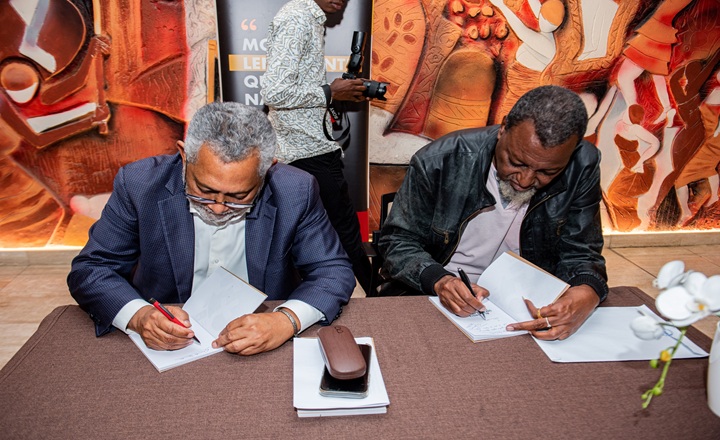
Launched at BCI, a book that immortalizes memories and humor of Zambézia
2026-10-02
Society
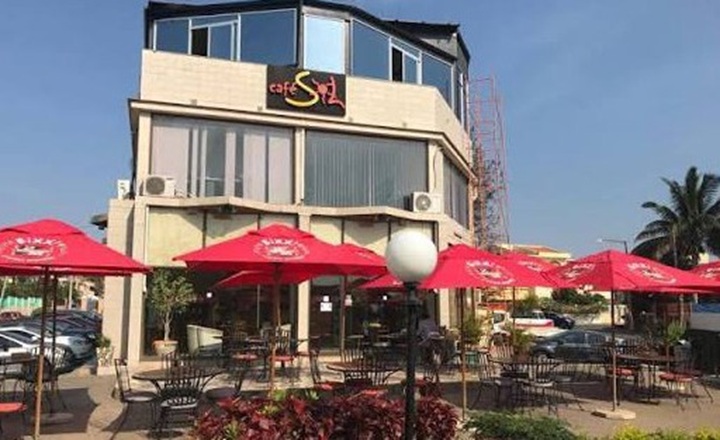
International Coffee Day
2026-10-02
Society
Minister Mathlombe squanders his term on empty promises
2026-10-02
policy
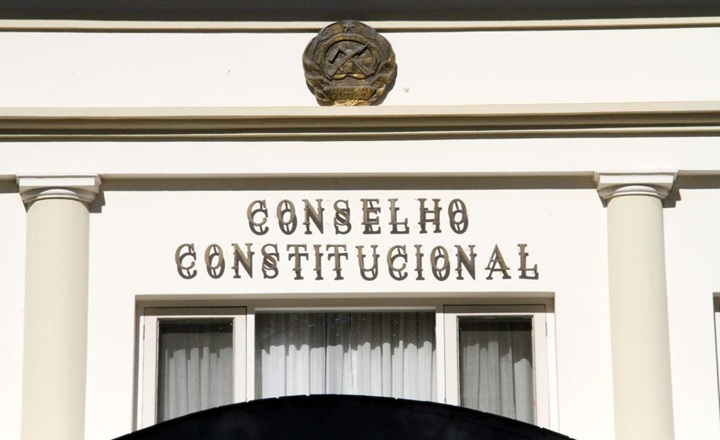
Constitutional Council Awards Purchase of Luxury Vehicles for 49.5 Million Meticais
2026-10-01

Culture
International Coffee Day: Aroma, Flavor, and History
2026-09-30
Copyright Jornal Preto e Branco All rights reserved . 2025