
The Bank of Mozambique maintains the MIMO rate at 9.25% and introduces a new reserve requirement regime
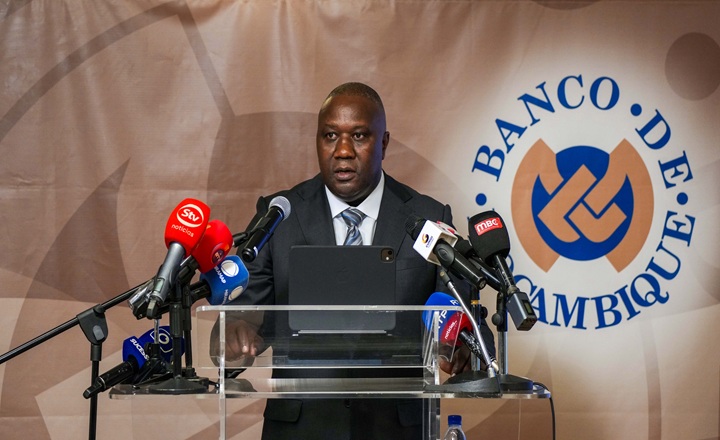
The Monetary Policy Committee (MPC) of the Bank of Mozambique decided to maintain the monetary policy interest rate, the MIMO rate, at 9.25%, and to change the reserve requirement regime from the next reserve requirement period. The decision essentially reflects the prevalence of high risks and uncertainties regarding the impact of climate shocks and the prolongation of geopolitical tensions in the Middle East and Europe, with potential effects on international fuel and food prices, in a context where the recovery of economic activity remains slow.
The new mandatory reserve requirement regime, lasting 18 months, will allow for the deduction, in the national currency component, of the amount corresponding to new financing granted by the banking system to companies that contribute to import substitution and/or increased exports. The interest rate to be applied will be the MIMO rate, which may be increased by a margin of 150 basis points, depending on the purpose.
Inflation prospects point to an increase in the short term and a reduction to single digits in the medium term. In August 2026, annual inflation slowed to 6.5%, after 7.5% in July. Core inflation, which excludes fruits and vegetables and goods with administered prices, also decreased. In the short term, an increase in prices is anticipated, driven, among other factors, by imported inflation from major trading partners and by the increase in fruit and vegetable prices associated with the end of the fresh season, in a context of Metical stability and subdued domestic demand. Meanwhile, in the medium term, a slowdown in inflation to single digits is expected, explained mainly by the prospects of lower international fuel and food prices, associated with a possible easing of tensions in the Middle East.
The outlook for moderate economic growth remains. In annual terms, real gross domestic product grew by 1.7% in the second quarter of 2026, after 0.1% in the first quarter. This performance was mainly driven by the primary sector, namely agriculture and the extractive industry, as well as the service sector. In the medium term, these sectors, combined with the implementation of projects in strategic areas, are expected to continue to contribute to maintaining moderate growth in economic activity.
The foreign exchange market continues to register a high volume of currency buying and selling, supported by the implementation of liquefied natural gas projects in the Rovuma basin and the performance of the extractive industry, in a context of exchange rate stability. Between January and August 2026, foreign exchange purchases by commercial banks increased by USD 724 million compared to the same period in 2025, reaching USD 5.73 billion. In the same period, foreign exchange sales by banks to their clients grew by USD 593 million, for a total of USD 5.65 billion. The average effective exchange rate practiced by commercial banks in transactions with their clients, from January to September 2026, registered a depreciation of 0.06% against the USD and 14.64% against the ZAR, and an appreciation of 3.92% against the EUR.
The continued arrears of domestic and external debt are hindering the normal functioning of the financial market. Delays persist in the payment of domestic and external public debt, including to national financial institutions and multilateral creditors, impacting, among other things, the weak appetite for government bonds, the rigidity of interbank money market interest rates, and the assessment of country risk. Indeed, domestic public debt, excluding loan and lease agreements and overdue liabilities, stands at 546.5 billion meticais, representing an increase of 71.9 billion compared to December 2025, constituting a source of increased bank liquidity.
The risks and uncertainties associated with inflation projections remain high. Domestically, uncertainties prevail regarding the magnitude of the effects of imported inflation, the evolution of public debt, and the impact of climate shocks. Externally, uncertainties stand out regarding the duration and magnitude of the effects of geopolitical tensions in the Middle East and Europe on trade flows, the global supply of goods, and international fuel and food prices.
The Monetary Policy Committee (CPMO) reaffirms its commitment to ensuring price stability. In this context, in addition to monetary policy measures, the implementation of fiscal consolidation measures and structural reforms remains fundamental, aiming to strengthen market confidence, improve the business environment, mobilize external financial resources, increase production, and promote job creation.
The CPMO will continue to monitor the domestic and international macroeconomic environment, as well as prevailing risks, and may hold extraordinary meetings to take necessary corrective measures. The next ordinary meeting of the CPMO is scheduled for November 25, 2026.
Outras noticias
Culture
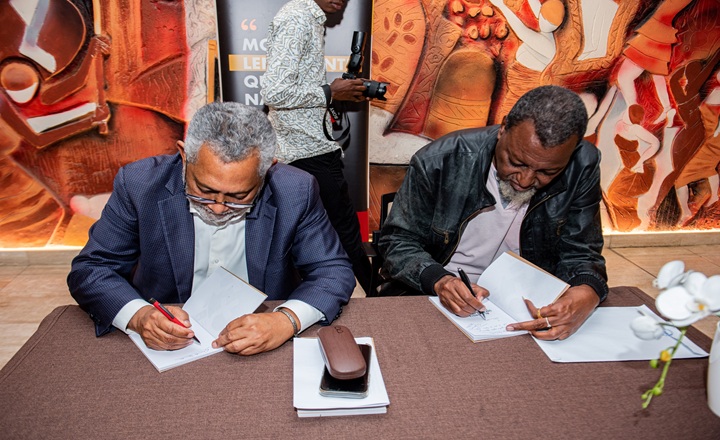
Launched at BCI, a book that immortalizes memories and humor of Zambézia
2026-10-02

Society
International Coffee Day
2026-10-02

Society
Minister Mathlombe squanders his term on empty promises
2026-10-02
policy
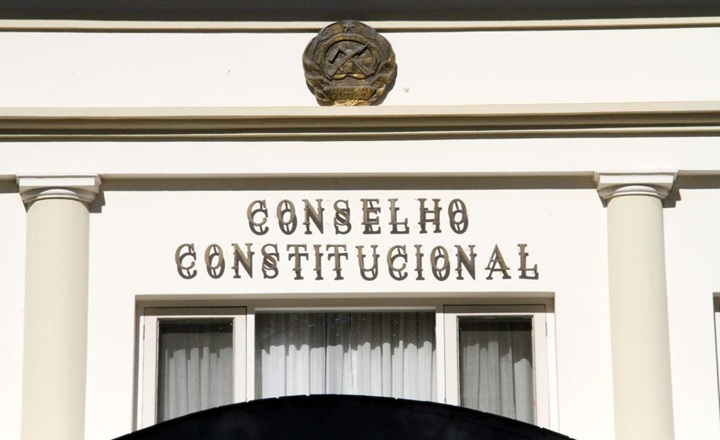
Constitutional Council Awards Purchase of Luxury Vehicles for 49.5 Million Meticais
2026-10-01
Culture
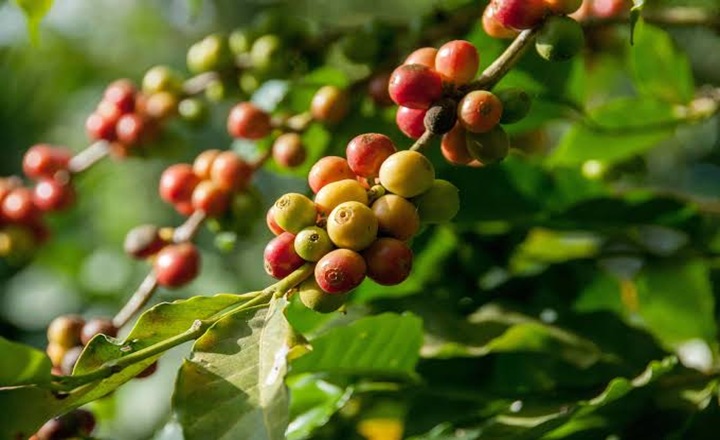
International Coffee Day: Aroma, Flavor, and History
2026-09-30
Copyright Jornal Preto e Branco All rights reserved . 2025