
Mozambique is ranked as the second poorest country in the world
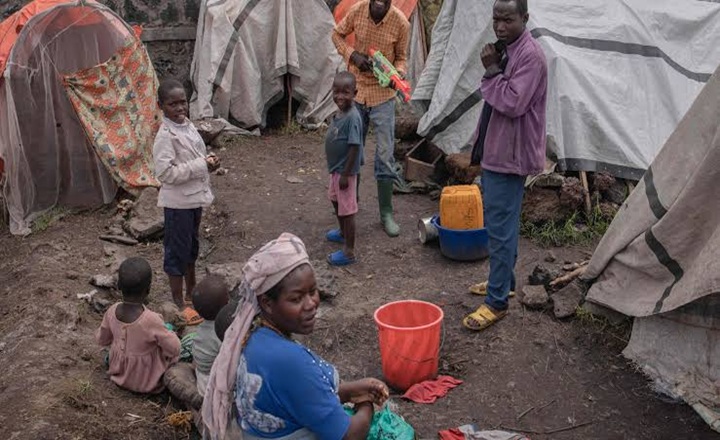
The report "Mozambique Economic Update: From Fragility to Stability," released by the World Bank in March 2026, reveals that Mozambique faces a serious development situation. According to the document, approximately 81% of the country's population lives on less than $3 a day. With a total population of approximately 35 million, this means that nearly 28 million people live below the extreme poverty line.
According to World Bank data, based on 2021 purchasing power parity, 81.4% of the Mozambican population consumes less than $3 per day, a figure that has remained virtually unchanged since 2022. The report also notes that, even using the national poverty line, the poverty rate remains high at 62.9%, representing an increase of 1.1 percentage points compared to 2019/20, when it was 61.8%.
Inequality is equally pronounced. Mozambique's Gini coefficient is around 50, placing the country among the ten most unequal in the world. The disparity between rural and urban areas is particularly evident: the poverty rate in rural areas reaches 88.5%, compared to 67.7% in urban areas.
The World Bank classifies the period between 2016 and 2025 as Mozambique's "lost decade." The report indicates that, between 2015 and 2024, the country's GDP per capita fell by about 8%, and it is predicted that per capita income will only return to 2015 levels in 2028.
The prospects for economic growth are also not encouraging. In April 2026, the World Bank revised its growth forecasts for Mozambique downwards, from 3% — the estimate from October of the previous year — to 0.9%, making the country the Portuguese-speaking economy with the largest downward revision. This growth rate is far below the population growth rate, meaning that per capita income will continue to decline.
The report attributes Mozambique's situation to a combination of multiple factors. Social instability following the 2024 elections severely undermined investor confidence and economic activity. The Islamist insurgency in Cabo Delgado province continues to threaten security, keeping TotalEnergies' liquefied natural gas project in a state of force majeure since 2021.
The fiscal situation is equally worrying. The World Bank classifies Mozambique's public debt as "unsustainable" and in "default," with debt repayment arrears reaching 1.3% of GDP by the end of 2025. Salary expenses and interest payments consume approximately 90% of tax revenues, severely squeezing fiscal space.
In response to this report, the Mozambican government stated that it is analyzing the data and declined, for now, to take an official position. The Minister of State Administration and Public Service, Inocêncio Impissa, declared that the World Bank, as an independent partner, has its own criteria, and that the government needs to evaluate this data “based on national instruments.”
The core of the disagreement lies in methodological differences. Mozambique's Ministry of Planning and Development points out that the World Bank uses different criteria than the Household Budget Survey (IOF). The country's latest IOF, published in 2022, presents results that diverge from international estimates.
Former President Guebuza also publicly questioned the report's conclusions, stating: "Who says we are not poor? World Bank reports have always said that Mozambique is poor, we accept and publicize this," while simultaneously appealing for an avoidance of "alarmism."
Analysts observe that Mozambique's fundamental problem lies in an economic growth model incapable of creating widespread employment opportunities. Agriculture continues to account for 72% of employment, but it is mainly based on low-productivity subsistence activities; salaried employment represents only 14%, while self-employment accounts for 71%.
In its report, the World Bank calls on Mozambique to adopt “ambitious and credible fiscal consolidation measures” in order to restore debt sustainability and create fiscal space for growing social needs. However, in a context where the poverty rate exceeds 80% and growth is virtually stagnant, the implementation of reforms faces enormous challenges.
Outras noticias
Culture
Launched at BCI, a book that immortalizes memories and humor of Zambézia
2026-10-02
Society
International Coffee Day
2026-10-02
Society
Minister Mathlombe squanders his term on empty promises
2026-10-02
policy
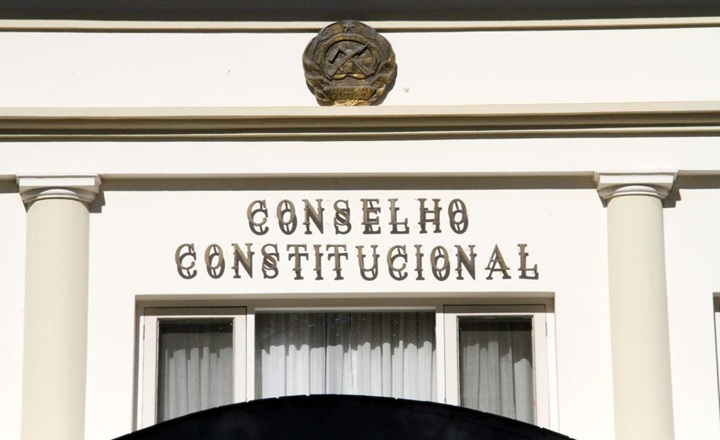
Constitutional Council Awards Purchase of Luxury Vehicles for 49.5 Million Meticais
2026-10-01
Culture
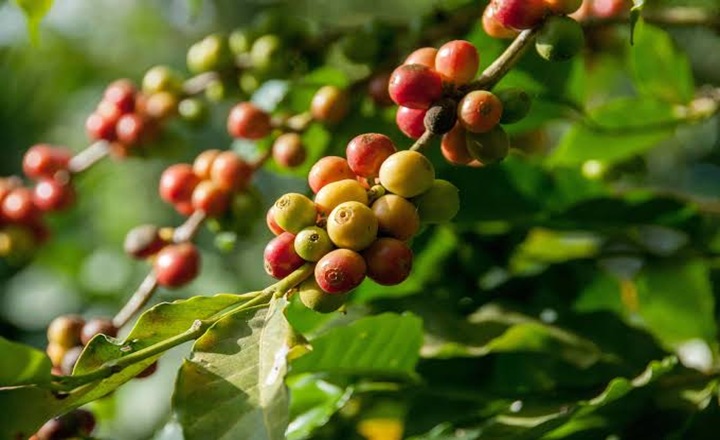
International Coffee Day: Aroma, Flavor, and History
2026-09-30
Copyright Jornal Preto e Branco All rights reserved . 2025