
PRM arrests 30 suspects of belonging to “Group 15” in Nampula
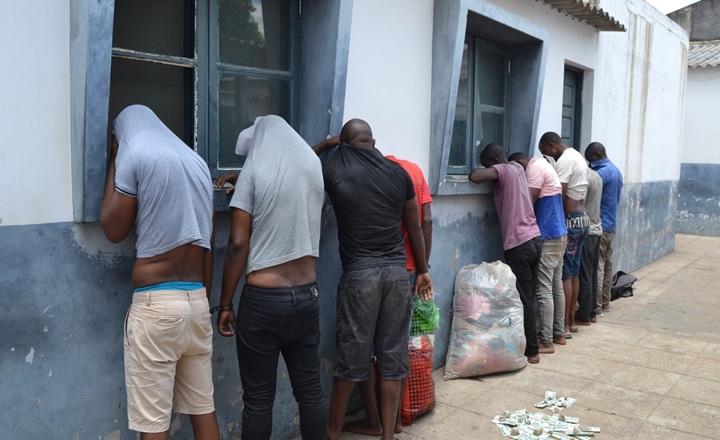
Thirty individuals were presented today by the Police of the Republic of Mozambique (PRM) as presumed members of the feared “Group 15”, an alleged criminal network that has been spreading panic in several neighborhoods of the city and province of Nampula, through nighttime robberies and acts of violence.
In recent days, reports of home invasions, property thefts, and physical assaults carried out by individuals operating in groups at night have increased. According to local reports, these criminals often act armed with machetes, clubs, and even improvised firearms. Their actions are swift, violent, and often leave destruction in their wake.
The group became known as "Group 15," although its exact membership is uncertain. The affected communities live in a constant state of alert and fear, sometimes resorting to taking justice into their own hands.
In less than two weeks, at least two people were lynched by the public on suspicion of belonging to "Group 15." In both cases, the victims were caught red-handed attempting to steal, and the public reaction was immediate and fatal.
Authorities have urged the public not to resort to private justice, warning of the risks and legal consequences of such behavior. However, many residents say they have lost confidence in the police's ability to protect their communities.
Faced with the escalating crime rate, the police have stepped up patrols, investigations, and reporting efforts. On Tuesday afternoon, the PRM called on the media to publicly present 30 citizens suspected of belonging to the aforementioned criminal network.
The detainees were found in possession of several allegedly stolen items, including household appliances, cell phones, bicycles, motorcycles, clothing, and tools. Police believe these individuals were involved in several robberies recorded in recent weeks in different neighborhoods of the city of Nampula.
Several of those arrested categorically denied any involvement in the crimes. Some claim they were arbitrarily detained, while others say they were mistaken for criminals simply because they were on the street during police raids.
Sub-Inspector Edson Lázaro, spokesperson for the PRM Provincial Command in Nampula, stated that the arrests were the result of police intelligence and public reports. "These individuals were identified based on concrete evidence and identifications made by the robbery victims," he explained.
Nevertheless, the police assured that all those arrested will be entitled to due process. "The investigation continues. Those found innocent will be released, and those found guilty will be held criminally accountable for their actions," they added.
On the streets of Nampula, the feeling is one of cautious relief. Many residents hope these arrests represent the beginning of the end to the crime wave that has plagued the province. "We were no longer sleeping soundly. Every night was torment. Now, with these arrests, there is hope that peace will return," said a resident of the Muhala Expansão neighborhood.
Meanwhile, civil society organizations have called for greater surveillance in peripheral neighborhoods, better public lighting, an increase in police numbers, and concrete social reintegration actions for young people at risk.
The case of the 30 detainees in Nampula reignites the debate on urban security, the effectiveness of criminal investigations, and the dangers of popular justice. The PRM promises to maintain its offensive against crime, but the population demands lasting results and greater trust in state institutions.
"Group 15" may have suffered a significant blow, but the real proof will lie in the unfolding of the investigations and the authorities' ability to definitively dismantle the networks that terrorize communities.
Outras noticias
Culture
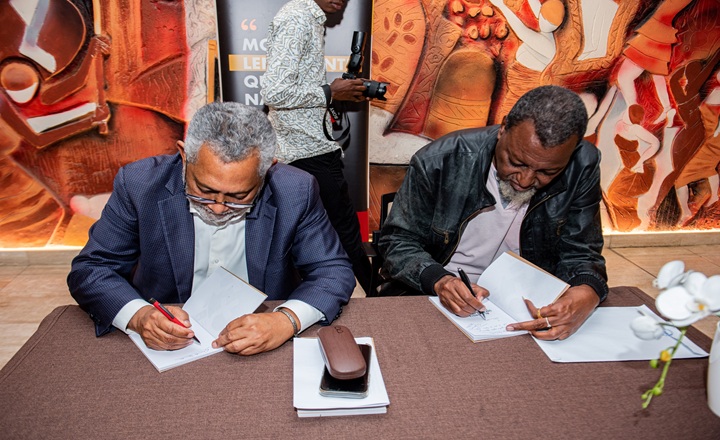
Launched at BCI, a book that immortalizes memories and humor of Zambézia
2026-10-02
Society
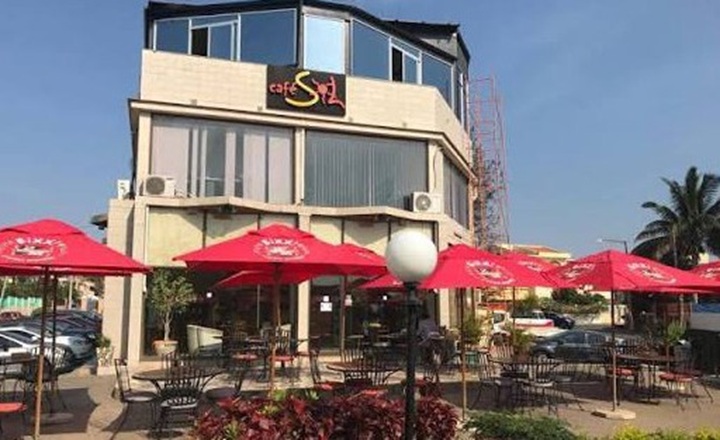
International Coffee Day
2026-10-02

Society
Minister Mathlombe squanders his term on empty promises
2026-10-02
policy
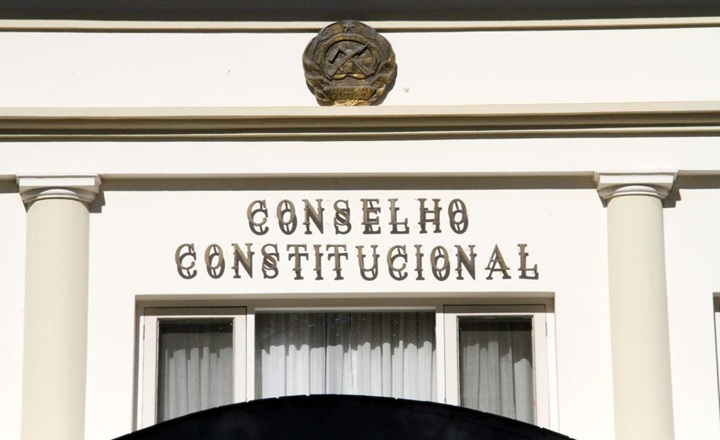
Constitutional Council Awards Purchase of Luxury Vehicles for 49.5 Million Meticais
2026-10-01

Culture
International Coffee Day: Aroma, Flavor, and History
2026-09-30
Copyright Jornal Preto e Branco All rights reserved . 2025