
Minister Mateus Saize, Reddite Caesari quae sunt Caesaris (Give to Caesar what is Caesar's)
.jpg) If there were room for intellectual honesty in Mozambican politics, the Minister of Justice would have already received not one, but several yellow cards. The most recent episode involving the rejection of the legalization of the ANAMALALA Party, led by Venâncio Mondlane, demands an analysis that goes beyond legal formalities and exposes the stark reality: this is a political ploy played out on a worn stage, with actors taking turns in power under the leadership of Frelimo.
Since the democratic transition in 1992, Mozambique has officially registered more than 60 political parties. In practice, however, these parties are little more than logos on ballot papers, appearing only in elections and disappearing as quickly as they were created. Their leaders are mostly inoffensive figures, with no real public presence, many of whom have clear ties to Frelimo itself. They created parties not to compete for power, but to secure access to subsidies.
Now, if the Ministry of Justice were truly committed to legal rigor, about 90% of these parties wouldn't even have the right to exist. Many are unaccountable, don't hold congresses, don't have regional representation, or even operational headquarters. They are hired parties, used as smokescreens to give a pluralistic appearance to a highly centralized system. In this context, why the extreme zeal with ANAMALALA?
First hypothesis: is Minister Saize trying to temporize so that Letela will gain the courage to arrest Mondlane so that he won't have to deal with sending ANAMALALA into space because the leader is in conflict with the law?
The answer lies in Venâncio Mondlane's political biography. Unlike harmless party leaders, he is today a figure that shakes up the status quo. His presence in the last elections, first in the local elections, where he claimed victory in the municipality of Maputo, but the courts refused to allow the popular will to prevail, and then in the presidential elections, which deconstructed the idea that he was merely an urban phenomenon, but rather a figure whose charisma had already permeated rural areas. Even with the usual recourse to ballot box stuffing, he had a difficult time, even needing to call upon the guardian of legality to prevent his demise as a hegemonic party, and the logic held. Once again, Venâncio Mondlane dared to shake Frelimo's superstructure, sounding alarm bells within Frelimo. It is no coincidence that the party he leads is now encountering so many legal obstacles. Allowing ANAMALALA to be licensed under this name and under Mondlane's leadership would be a harbinger of the people's victory, a simple tribute to the hundreds of victims of police repression, and a clear message that the struggle was not in vain. This also doesn't comfort Frelimo, as the next five years would be more challenging, and the opposition's motivation would grow accordingly. It is at this point that the Minister of Justice's role reveals itself to be fragile, if not complicit. He lacks subtlety and overflows with servility. Instead of acting as a statesman, he acts like a pawn on a board controlled by the ruling party. Trapped in a partisan political expedient, he would rather undermine the citizen's right to free association than risk displeasing his superiors.
This episode casts an even darker shadow over the already compromised image of the minister, whose rise to the position is seen by many as a reward for his participation in the group of judges who validated the 2019 electoral fraud. His appointment to the Justice portfolio is nothing more than a political bonus, a reward for services rendered to the party, not to the people.
Their actions reveal a pattern of recurrence. The same legalistic zeal that now bars ANAMALALA was conveniently ignored when dozens of ghost parties were registered and funded. The same respect for the Constitution that now drives them was disregarded when the Constitutional Court, with its consent, overlooked the glaring irregularities of the last elections. And most seriously, the clear attempt to block the protagonism of an inconvenient figure like Venâncio Mondlane reveals that the ruling party is not comfortable with democracy.
More than a yellow card, this episode justifies a red card for the minister. Not for an occasional slip-up, but for the accumulation of gestures that corrode the already fragile democratic edifice. The country needs a justice system that inspires confidence, not a minister whose record is tarnished by complicity in electoral manipulation and political persecution disguised as legalism.
The dismissive way in which the President of the Republic himself referred to the meetings with Venâncio Mondlane, saying that "it's his problem"—in a rhetoric of contempt—shows that the much-touted national reconciliation is nothing more than a sham. The dialogue was merely to lull the "bull to sleep." Mondlane realized this too late, and now he is beginning to pay the price for having believed in political good faith where only cold calculation was involved.
At this point, the Attorney General's Office is sending clear signals that the next step could be criminalizing Mondlane. The wheels are already in motion. Recent statements and moves point to an attempt to implicate him in legal proceedings, weaken him morally, and, if possible, prevent his participation in the upcoming elections. The script is written. All that remains is to choose the right moment for the performance.
In light of this, civil society, urban youth, democratic forces, and true defenders of justice need to speak out. This isn't just about defending ANAMALALA or Venâncio Mondlane. It's about defending the right of Mozambicans to organize politically without being held hostage by partisan tactics disguised as legality. It's about stating, in no uncertain terms, that the Ministry of Justice cannot be an extension of Frelimo's headquarters.
If the Minister of Justice has any commitment to the country, not just to his party, he should rethink his conduct, as we are facing a regrettable scenario for our justice system. Our hope is that the Minister of Justice remembers the post-election violence and the specter of revenge that still lingers on the faces of Mozambicans. The country is in turmoil, and the greed of these gentlemen could reignite latent hatred.
NB: This is a yellow card with shades of red. For repeat offenses. For mediocrity. And for the grave threat to democracy.
If there were room for intellectual honesty in Mozambican politics, the Minister of Justice would have already received not one, but several yellow cards. The most recent episode involving the rejection of the legalization of the ANAMALALA Party, led by Venâncio Mondlane, demands an analysis that goes beyond legal formalities and exposes the stark reality: this is a political ploy played out on a worn stage, with actors taking turns in power under the leadership of Frelimo.
Since the democratic transition in 1992, Mozambique has officially registered more than 60 political parties. In practice, however, these parties are little more than logos on ballot papers, appearing only in elections and disappearing as quickly as they were created. Their leaders are mostly inoffensive figures, with no real public presence, many of whom have clear ties to Frelimo itself. They created parties not to compete for power, but to secure access to subsidies.
Now, if the Ministry of Justice were truly committed to legal rigor, about 90% of these parties wouldn't even have the right to exist. Many are unaccountable, don't hold congresses, don't have regional representation, or even operational headquarters. They are hired parties, used as smokescreens to give a pluralistic appearance to a highly centralized system. In this context, why the extreme zeal with ANAMALALA?
First hypothesis: is Minister Saize trying to temporize so that Letela will gain the courage to arrest Mondlane so that he won't have to deal with sending ANAMALALA into space because the leader is in conflict with the law?
The answer lies in Venâncio Mondlane's political biography. Unlike harmless party leaders, he is today a figure that shakes up the status quo. His presence in the last elections, first in the local elections, where he claimed victory in the municipality of Maputo, but the courts refused to allow the popular will to prevail, and then in the presidential elections, which deconstructed the idea that he was merely an urban phenomenon, but rather a figure whose charisma had already permeated rural areas. Even with the usual recourse to ballot box stuffing, he had a difficult time, even needing to call upon the guardian of legality to prevent his demise as a hegemonic party, and the logic held. Once again, Venâncio Mondlane dared to shake Frelimo's superstructure, sounding alarm bells within Frelimo. It is no coincidence that the party he leads is now encountering so many legal obstacles. Allowing ANAMALALA to be licensed under this name and under Mondlane's leadership would be a harbinger of the people's victory, a simple tribute to the hundreds of victims of police repression, and a clear message that the struggle was not in vain. This also doesn't comfort Frelimo, as the next five years would be more challenging, and the opposition's motivation would grow accordingly. It is at this point that the Minister of Justice's role reveals itself to be fragile, if not complicit. He lacks subtlety and overflows with servility. Instead of acting as a statesman, he acts like a pawn on a board controlled by the ruling party. Trapped in a partisan political expedient, he would rather undermine the citizen's right to free association than risk displeasing his superiors.
This episode casts an even darker shadow over the already compromised image of the minister, whose rise to the position is seen by many as a reward for his participation in the group of judges who validated the 2019 electoral fraud. His appointment to the Justice portfolio is nothing more than a political bonus, a reward for services rendered to the party, not to the people.
Their actions reveal a pattern of recurrence. The same legalistic zeal that now bars ANAMALALA was conveniently ignored when dozens of ghost parties were registered and funded. The same respect for the Constitution that now drives them was disregarded when the Constitutional Court, with its consent, overlooked the glaring irregularities of the last elections. And most seriously, the clear attempt to block the protagonism of an inconvenient figure like Venâncio Mondlane reveals that the ruling party is not comfortable with democracy.
More than a yellow card, this episode justifies a red card for the minister. Not for an occasional slip-up, but for the accumulation of gestures that corrode the already fragile democratic edifice. The country needs a justice system that inspires confidence, not a minister whose record is tarnished by complicity in electoral manipulation and political persecution disguised as legalism.
The dismissive way in which the President of the Republic himself referred to the meetings with Venâncio Mondlane, saying that "it's his problem"—in a rhetoric of contempt—shows that the much-touted national reconciliation is nothing more than a sham. The dialogue was merely to lull the "bull to sleep." Mondlane realized this too late, and now he is beginning to pay the price for having believed in political good faith where only cold calculation was involved.
At this point, the Attorney General's Office is sending clear signals that the next step could be criminalizing Mondlane. The wheels are already in motion. Recent statements and moves point to an attempt to implicate him in legal proceedings, weaken him morally, and, if possible, prevent his participation in the upcoming elections. The script is written. All that remains is to choose the right moment for the performance.
In light of this, civil society, urban youth, democratic forces, and true defenders of justice need to speak out. This isn't just about defending ANAMALALA or Venâncio Mondlane. It's about defending the right of Mozambicans to organize politically without being held hostage by partisan tactics disguised as legality. It's about stating, in no uncertain terms, that the Ministry of Justice cannot be an extension of Frelimo's headquarters.
If the Minister of Justice has any commitment to the country, not just to his party, he should rethink his conduct, as we are facing a regrettable scenario for our justice system. Our hope is that the Minister of Justice remembers the post-election violence and the specter of revenge that still lingers on the faces of Mozambicans. The country is in turmoil, and the greed of these gentlemen could reignite latent hatred.
NB: This is a yellow card with shades of red. For repeat offenses. For mediocrity. And for the grave threat to democracy.
Outras noticias

Culture
Launched at BCI, a book that immortalizes memories and humor of Zambézia
2026-10-02

Society
International Coffee Day
2026-10-02

Society
Minister Mathlombe squanders his term on empty promises
2026-10-02
policy
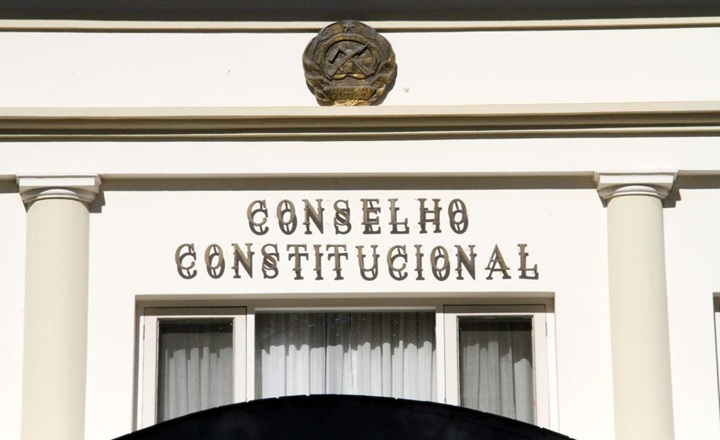
Constitutional Council Awards Purchase of Luxury Vehicles for 49.5 Million Meticais
2026-10-01

Culture
International Coffee Day: Aroma, Flavor, and History
2026-09-30
Copyright Jornal Preto e Branco All rights reserved . 2025