
Maputo National Park: A Bastion of Biodiversity and Community Life
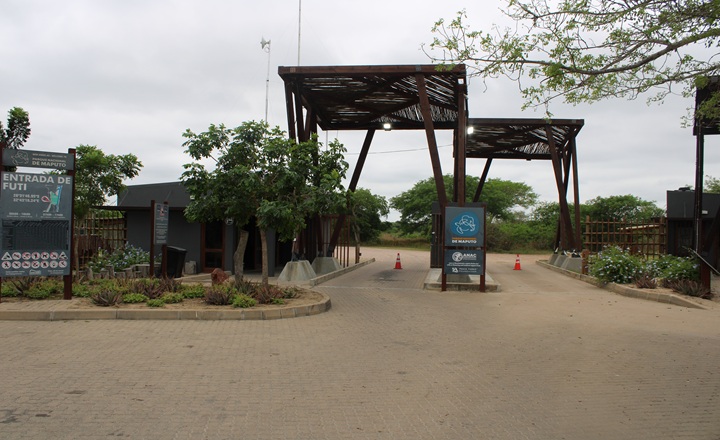
Located in the far south of Mozambique, in Maputo province, and stretching along a coastline of unspoiled beauty, Maputo National Park stands as a national benchmark in biodiversity conservation. A report by the newspaper Preto e Branco went to the park to understand the dynamics between this protected area and the neighboring communities, revealing a model of coexistence based on awareness-raising and alternative development projects.
According to a source from the Park, the institution has been working on raising awareness among the surrounding communities. "Maputo National Park is not a project, it is a state institution whose mandatory mission is the conservation of this area," the source stressed, thus establishing its fundamental role.
Coexistence and Challenges in Buffer Zones
In the vicinity of the park, there are communities, such as Machangulo, located in the so-called buffer zone. For those who live in these areas near the park, there are specific rules to follow. "It has certain disadvantages," explains the source. This means, for example, that they cannot freely take advantage of the park's natural resources, since it is a conservation area where any activity harmful to the environment is strictly prohibited.
Alternative Projects: The Key to Sustainability
To overcome this limitation and prevent communities from depending exclusively on protected resources, Maputo National Park, often in partnership with other organizations, implements various alternative projects. The objective is clear: to support local survival and socio-economic development in a sustainable way.
A vital example of these initiatives focuses on the conservation of critical marine ecosystems. The community of Machangulo, for example, has mangroves that function as essential nurseries for marine life. "It is an area that is part of the Maputo National Park. The marine area is conserved; these are places where species multiply, in the reefs and corals, in the mangroves. They are sensitive areas," the source emphasized.
The Role of the Park: Conserving to Thrive
Protecting these marine sanctuaries is crucial to ensuring the long-term sustainability of fisheries resources. "The fish that come out on the coast of Tolo, and in other areas, multiply in these areas here and then go to the ocean, where the fishermen go to fish," the source illustrated. In other words, conserving these natural breeding grounds means ensuring the future of fishing for present and future generations.
In this context, the Park built and concentrated the fishermen in a Community Fishing Center (CCP), which serves as a place for awareness and organization. "It's not exactly about prohibiting fishing, but rather about fishermen knowing which species are endangered, which areas should not be fished, and which are sensitive areas," the source explained. Through awareness campaigns and support, the use of sustainable fishing practices is promoted, banning destructive methods.
Behavioral Change: From the Past to the Present
These actions are already showing tangible results. Before the Park's more direct intervention, harmful practices were common, such as the use of fishing nets with non-recommended mesh sizes, which capture young species and prevent their reproduction, and poaching, which was an intensified activity. "But now it doesn't happen anymore," the source testifies, highlighting the effectiveness of the continuous work of education and enforcement.
In short, the objective of Maputo National Park is twofold and interconnected: to ensure the complete protection of the conservation area and, simultaneously, to help communities develop and coexist harmoniously with the natural resources that surround them. This model demonstrates that conservation and community development can, and should, go hand in hand.
Outras noticias

Culture
Launched at BCI, a book that immortalizes memories and humor of Zambézia
2026-10-02

Society
International Coffee Day
2026-10-02

Society
Minister Mathlombe squanders his term on empty promises
2026-10-02

policy
Constitutional Council Awards Purchase of Luxury Vehicles for 49.5 Million Meticais
2026-10-01
Culture
International Coffee Day: Aroma, Flavor, and History
2026-09-30
Copyright Jornal Preto e Branco All rights reserved . 2025