
Maputo Bay: An Environmental Challenge for a City That Continues to Grow Without Planning
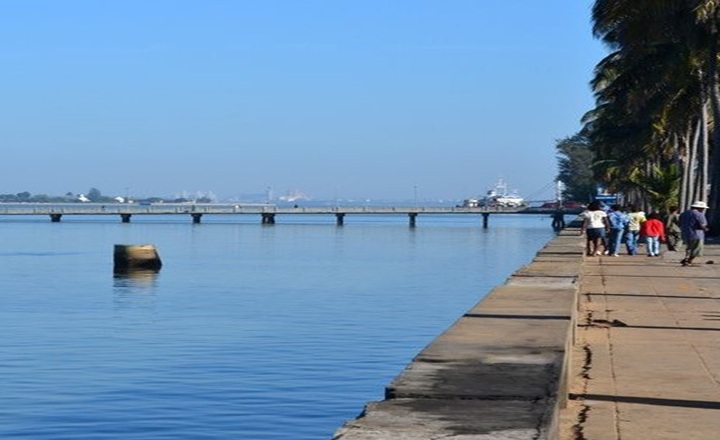
Over the last few decades, the city of Maputo has become a clear reflection of the environmental challenges faced by large urban centers in developing countries. Since the colonial period, when Lourenço Marques was still organized around an urban structure designed for approximately two hundred and fifty thousand inhabitants, it has never been possible to establish a functional system for calculating, collecting, and treating the wastewater produced daily. The current reality is alarming: black water and solid waste continue to be dumped directly into Maputo Bay without any prior treatment, in a continuous process that occurs day and night, contaminating the sea and compromising marine life and the health of coastal communities. Population growth has exacerbated this scenario. The city, which according to the 2017 Census had more than one million inhabitants, faces the additional pressure of approximately two million people who work or circulate there daily. This constant flow overloads fragile infrastructures, many of them inherited from a distant past, incapable of meeting contemporary demands for basic sanitation and sustainable waste management. This situation highlights the need to strengthen environmental education, an essential tool for communities, schools, businesses, and public institutions to understand and transform behaviors that are harmful to the environment. Environmental education, whose global consolidation gained momentum from the 1970s onwards, has evolved from a merely informative approach to a participatory, critical, and problem-solving perspective. However, in developing countries, this evolution presents profound gaps. Despite campaigns, school programs, and community initiatives, environmental education remains largely theoretical, poorly adapted to local realities, and poorly integrated into formal urban planning processes. In several African contexts, and Mozambique is no exception, social inequality constitutes a decisive obstacle: when citizens live in precarious conditions, with difficulties in accessing basic services such as drinking water, energy, or transportation, environmental issues tend to be perceived as secondary. However, the environment is, paradoxically, central to the conditions that influence daily life, from the quality of drinking water and the air we breathe, to the impact of climate change on agriculture, food security, and public health. The urgency of these challenges gained greater visibility this year during COP 2025, held in Belém do Pará, Brazil, marking a historic moment as the first Conference of the Parties held in the Amazon. This fact brought additional symbolism and political pressure, placing the forest and tropical ecosystems at the center of the global debate on climate transition. During the meeting,Fundamental themes such as climate finance for developing countries, the protection of marine and coastal ecosystems, the valorization of traditional knowledge, and the commitment to nature-based solutions were discussed. One of the most significant innovations was the creation of a support mechanism for vulnerable coastal cities, focusing on the protection of bays, mangroves, and estuaries, a theme closely linked to the reality of Maputo. Participants highlighted that the preservation of urban bays is not only an environmental issue, but also an economic, societal, and cultural one. Maputo Bay, if properly protected, could become a tourist, scientific, and economic hub. However, as long as it continues to be used as a final destination for sewage and waste, it will be impossible to activate its potential. The COP also reinforced the importance of community-based environmental education, arguing that structural changes require the informed participation of communities. The case of Maputo clearly illustrates this need. Many illegal discharges of waste and wastewater result from a lack of knowledge, but also from a lack of urban alternatives and a lack of public oversight. Reforming this system implies articulating education, public investment, community participation, and institutional accountability. According to environmental manager Alípio Jeque, analyzing this scenario reinforces that the challenge is not only technical but also political and cultural. For him, the country needs the courage to recognize that the current model has collapsed and that new approaches are urgently needed. Jeque emphasizes that environmental conservation is not a privilege but a strategic necessity: protecting Maputo Bay means protecting jobs, natural heritage, the health of citizens, and the future of younger generations. The experience shared during the COP reinforces the idea that lasting solutions arise from the integration of environmental education, robust public policies, and technological innovation. In Belém, several experts presented examples of cities that have recovered previously degraded coastal areas through investments in wastewater treatment plants, intelligent drainage systems, recycling and the circular economy, as well as educational programs involving schools and local associations. Maputo can follow the same path. Modernizing sanitation infrastructure, creating recycling cooperatives, strengthening public-private partnerships, and rigorous oversight can transform the city's relationship with its marine environment. But none of this will be possible without informed citizens committed to sustainable practices. Environmental education is, therefore, the transformative axis capable of reconnecting the city with its bay and its future. The challenge is enormous, but the need to act is even greater.The appreciation of traditional knowledge and the commitment to nature-based solutions were highlighted. One of the most significant innovations was the creation of a support mechanism for vulnerable coastal cities, focusing on the protection of bays, mangroves, and estuaries, a theme closely linked to the reality of Maputo. Participants emphasized that the preservation of urban bays is not only an environmental issue, but also an economic, societal, and cultural one. Maputo Bay, if properly protected, could become a tourist, scientific, and economic hub. However, as long as it continues to be used as a final destination for sewage and waste, it will be impossible to activate its potential. The COP also reinforced the importance of community-based environmental education, arguing that structural changes require the informed participation of communities. The case of Maputo clearly illustrates this need. Many illegal discharges of waste and wastewater result from a lack of knowledge, but also from a lack of urban alternatives and a lack of public oversight. Reforming this system implies articulating education, public investment, community participation, and institutional accountability. According to environmental manager Alípio Jeque, analyzing this scenario reinforces that the challenge is not only technical, but also political and cultural. He believes the country needs the courage to recognize that the current model has collapsed and that new approaches are urgently needed. Jeque emphasizes that environmental conservation is not a privilege, but a strategic necessity: protecting Maputo Bay means protecting jobs, natural heritage, the health of citizens, and the future of younger generations. The experience shared during the COP reinforces the idea that lasting solutions arise from the integration of environmental education, robust public policies, and technological innovation. In Belém, several experts presented examples of cities that have recovered previously degraded coastal areas through investments in wastewater treatment plants, intelligent drainage systems, recycling and the circular economy, as well as educational programs involving schools and local associations. Maputo can follow the same path. Modernizing sanitation infrastructure, creating recycling cooperatives, strengthening public-private partnerships, and rigorous oversight can transform the city's relationship with its marine environment. But none of this will be possible without informed citizens committed to sustainable practices. Environmental education is, therefore, the transformative force capable of reconnecting the city with its bay and its future. The challenge is enormous, but the need to act is even greater.The appreciation of traditional knowledge and the commitment to nature-based solutions were highlighted. One of the most significant innovations was the creation of a support mechanism for vulnerable coastal cities, focusing on the protection of bays, mangroves, and estuaries, a theme closely linked to the reality of Maputo. Participants emphasized that the preservation of urban bays is not only an environmental issue, but also an economic, societal, and cultural one. Maputo Bay, if properly protected, could become a tourist, scientific, and economic hub. However, as long as it continues to be used as a final destination for sewage and waste, it will be impossible to activate its potential. The COP also reinforced the importance of community-based environmental education, arguing that structural changes require the informed participation of communities. The case of Maputo clearly illustrates this need. Many illegal discharges of waste and wastewater result from a lack of knowledge, but also from a lack of urban alternatives and a lack of public oversight. Reforming this system implies articulating education, public investment, community participation, and institutional accountability. According to environmental manager Alípio Jeque, analyzing this scenario reinforces that the challenge is not only technical, but also political and cultural. He believes the country needs the courage to recognize that the current model has collapsed and that new approaches are urgently needed. Jeque emphasizes that environmental conservation is not a privilege, but a strategic necessity: protecting Maputo Bay means protecting jobs, natural heritage, the health of citizens, and the future of younger generations. The experience shared during the COP reinforces the idea that lasting solutions arise from the integration of environmental education, robust public policies, and technological innovation. In Belém, several experts presented examples of cities that have recovered previously degraded coastal areas through investments in wastewater treatment plants, intelligent drainage systems, recycling and the circular economy, as well as educational programs involving schools and local associations. Maputo can follow the same path. Modernizing sanitation infrastructure, creating recycling cooperatives, strengthening public-private partnerships, and rigorous oversight can transform the city's relationship with its marine environment. But none of this will be possible without informed citizens committed to sustainable practices. Environmental education is, therefore, the transformative force capable of reconnecting the city with its bay and its future. The challenge is enormous, but the need to act is even greater.A topic closely linked to the reality of Maputo. Participants highlighted that the preservation of urban bays is not only an environmental issue, but also an economic, societal, and cultural one. Maputo Bay, if properly protected, could become a tourist, scientific, and economic hub. However, as long as it continues to be used as a final destination for sewage and waste, it will be impossible to activate its potential. The COP also reinforced the importance of community-based environmental education, arguing that structural changes require the informed participation of communities. The case of Maputo clearly illustrates this need. Many illegal discharges of garbage and wastewater result from a lack of knowledge, but also from a lack of urban alternatives and a lack of public oversight. Reforming this system implies articulating education, public investment, community participation, and institutional accountability. According to environmental manager Alípio Jeque, analyzing this scenario reinforces that the challenge is not only technical, but also political and cultural. For him, the country needs the courage to recognize that the current model has collapsed and that new approaches are urgent. Jeque emphasizes that environmental conservation is not a privilege, but a strategic necessity: protecting Maputo Bay means protecting jobs, natural heritage, the health of citizens, and the future of younger generations. The experience shared during the COP reinforces the idea that lasting solutions arise from the integration of environmental education, robust public policies, and technological innovation. In Belém, several experts presented examples of cities that have recovered once-degraded coastal areas through investments in wastewater treatment plants, intelligent drainage systems, recycling and the circular economy, as well as educational programs involving schools and local associations. Maputo can follow the same path. Modernizing sanitation infrastructure, creating recycling cooperatives, strengthening public-private partnerships, and rigorous monitoring can transform the city's relationship with its marine environment. But none of this will be possible without informed citizens committed to sustainable practices. Environmental education is, therefore, the transformative axis capable of reconnecting the city with its bay and its future. The challenge is enormous, but the need to act is even greater.A topic closely linked to the reality of Maputo. Participants highlighted that the preservation of urban bays is not only an environmental issue, but also an economic, societal, and cultural one. Maputo Bay, if properly protected, could become a tourist, scientific, and economic hub. However, as long as it continues to be used as a final destination for sewage and waste, it will be impossible to activate its potential. The COP also reinforced the importance of community-based environmental education, arguing that structural changes require the informed participation of communities. The case of Maputo clearly illustrates this need. Many illegal discharges of garbage and wastewater result from a lack of knowledge, but also from a lack of urban alternatives and a lack of public oversight. Reforming this system implies articulating education, public investment, community participation, and institutional accountability. According to environmental manager Alípio Jeque, analyzing this scenario reinforces that the challenge is not only technical, but also political and cultural. For him, the country needs the courage to recognize that the current model has collapsed and that new approaches are urgent. Jeque emphasizes that environmental conservation is not a privilege, but a strategic necessity: protecting Maputo Bay means protecting jobs, natural heritage, the health of citizens, and the future of younger generations. The experience shared during the COP reinforces the idea that lasting solutions arise from the integration of environmental education, robust public policies, and technological innovation. In Belém, several experts presented examples of cities that have recovered once-degraded coastal areas through investments in wastewater treatment plants, intelligent drainage systems, recycling and the circular economy, as well as educational programs involving schools and local associations. Maputo can follow the same path. Modernizing sanitation infrastructure, creating recycling cooperatives, strengthening public-private partnerships, and rigorous monitoring can transform the city's relationship with its marine environment. But none of this will be possible without informed citizens committed to sustainable practices. Environmental education is, therefore, the transformative axis capable of reconnecting the city with its bay and its future. The challenge is enormous, but the need to act is even greater.Arguing that structural changes require the informed participation of communities, the case of Maputo clearly illustrates this need. Many illegal discharges of waste and wastewater result from a lack of knowledge, but also from a lack of urban alternatives and a lack of public oversight. Reforming this system implies articulating education, public investment, community participation, and institutional accountability. According to environmental manager Alípio Jeque, analyzing this scenario reinforces that the challenge is not only technical, but also political and cultural. For him, the country needs the courage to recognize that the current model has collapsed and that new approaches are urgently needed. Jeque emphasizes that environmental conservation is not a privilege, but a strategic necessity: protecting Maputo Bay means protecting jobs, natural heritage, the health of citizens, and the future of younger generations. The experience shared during the COP reinforces the idea that lasting solutions arise from the integration of environmental education, robust public policies, and technological innovation. In Belém, several experts presented examples of cities that have rehabilitated previously degraded coastal areas through investments in wastewater treatment plants, intelligent drainage systems, recycling and a circular economy, as well as educational programs involving local schools and associations. Maputo can follow the same path. Modernizing sanitation infrastructure, creating recycling cooperatives, strengthening public-private partnerships, and rigorous oversight can transform the city's relationship with its marine environment. But none of this will be possible without informed citizens committed to sustainable practices. Environmental education is, therefore, the transformative axis capable of reconnecting the city with its bay and its future. The challenge is enormous, but the need to act is even greater.Arguing that structural changes require the informed participation of communities, the case of Maputo clearly illustrates this need. Many illegal discharges of waste and wastewater result from a lack of knowledge, but also from a lack of urban alternatives and a lack of public oversight. Reforming this system implies articulating education, public investment, community participation, and institutional accountability. According to environmental manager Alípio Jeque, analyzing this scenario reinforces that the challenge is not only technical, but also political and cultural. For him, the country needs the courage to recognize that the current model has collapsed and that new approaches are urgently needed. Jeque emphasizes that environmental conservation is not a privilege, but a strategic necessity: protecting Maputo Bay means protecting jobs, natural heritage, the health of citizens, and the future of younger generations. The experience shared during the COP reinforces the idea that lasting solutions arise from the integration of environmental education, robust public policies, and technological innovation. In Belém, several experts presented examples of cities that have rehabilitated previously degraded coastal areas through investments in wastewater treatment plants, intelligent drainage systems, recycling and a circular economy, as well as educational programs involving local schools and associations. Maputo can follow the same path. Modernizing sanitation infrastructure, creating recycling cooperatives, strengthening public-private partnerships, and rigorous oversight can transform the city's relationship with its marine environment. But none of this will be possible without informed citizens committed to sustainable practices. Environmental education is, therefore, the transformative axis capable of reconnecting the city with its bay and its future. The challenge is enormous, but the need to act is even greater.The experience shared during the COP reinforces the idea that lasting solutions arise from the integration of environmental education, robust public policies, and technological innovation. In Belém, several experts presented examples of cities that have recovered previously degraded coastal areas through investments in wastewater treatment plants, intelligent drainage systems, recycling and the circular economy, as well as educational programs involving local schools and associations. Maputo can follow the same path. Modernizing sanitation infrastructure, creating recycling cooperatives, strengthening public-private partnerships, and rigorous oversight can transform the city's relationship with its marine environment. But none of this will be possible without informed citizens committed to sustainable practices. Environmental education is, therefore, the transformative axis capable of reconnecting the city with its bay and its future. The challenge is enormous, but the need to act is even greater.The experience shared during the COP reinforces the idea that lasting solutions arise from the integration of environmental education, robust public policies, and technological innovation. In Belém, several experts presented examples of cities that have recovered previously degraded coastal areas through investments in wastewater treatment plants, intelligent drainage systems, recycling and the circular economy, as well as educational programs involving local schools and associations. Maputo can follow the same path. Modernizing sanitation infrastructure, creating recycling cooperatives, strengthening public-private partnerships, and rigorous oversight can transform the city's relationship with its marine environment. But none of this will be possible without informed citizens committed to sustainable practices. Environmental education is, therefore, the transformative axis capable of reconnecting the city with its bay and its future. The challenge is enormous, but the need to act is even greater.
Outras noticias

Culture
Launched at BCI, a book that immortalizes memories and humor of Zambézia
2026-10-02

Society
International Coffee Day
2026-10-02

Society
Minister Mathlombe squanders his term on empty promises
2026-10-02
policy
Constitutional Council Awards Purchase of Luxury Vehicles for 49.5 Million Meticais
2026-10-01

Culture
International Coffee Day: Aroma, Flavor, and History
2026-09-30
Copyright Jornal Preto e Branco All rights reserved . 2025