
Machangulo: A Destination of Nature and Authenticity on the Outskirts of Maputo
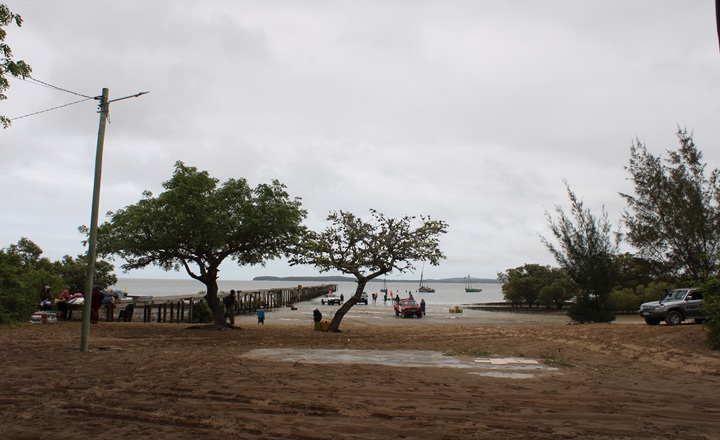
The Machangulo Peninsula, located in the Matutuine District, southwest of Maputo, is establishing itself as an unmissable tourist destination for those visiting the region. This natural paradise borders Maputo National Park and is very close to Inhaca Island, from which it is separated only by the Santa Maria Channel. Access can be by boat or, alternatively, by road.
Our visit began at the Machangulo Administrative Post, located at the highest point in the community. According to its head, the post has ten tablets acquired by local businesses to support students. This way, students have access to this equipment during office hours to research their subjects, benefiting from the Movitel network. This service, which has been operating since last year, has been described by users as a great help for online academic research.
In contrast to this innovation, the Mapanga Central Market is partially abandoned. According to local sources, the economic and financial crisis has left many traders without funds, leading them to abandon their activity. Currently, some dedicate themselves to fishing or agriculture in the lowlands, returning to the market only temporarily when they have a harvest. Others choose to travel to a wholesaler in Zimpeto, Maputo, to buy wholesale products such as tomatoes, cucumbers, sweet potatoes, and carrots.
In the tourism sector, the scene is more lively. At the 7 Zungu Restaurant, located right on the coast, we learned that the establishment has been frequented by tourists of various nationalities who sail along the Canal. Most communicate in English. Many of these visitors stay in Machangulo for a while to explore the former elephant park, now Maputo National Park. It is worth noting that there are more than ten tourist attractions along the canal.
To reach this refuge, it is necessary to drive for approximately four hours within Maputo National Park, an experience that in itself allows one to contemplate a rich biodiversity. It is important to emphasize that it is a safe place, with a welcoming community, mostly speaking the Ronga language with a characteristic nasal pronunciation, similar to that of Catembe. However, the road presents a significant challenge, making the use of a 4x4 vehicle absolutely necessary to traverse it.
Outras noticias
Culture
Launched at BCI, a book that immortalizes memories and humor of Zambézia
2026-10-02
Society
International Coffee Day
2026-10-02

Society
Minister Mathlombe squanders his term on empty promises
2026-10-02
policy
Constitutional Council Awards Purchase of Luxury Vehicles for 49.5 Million Meticais
2026-10-01
Culture
International Coffee Day: Aroma, Flavor, and History
2026-09-30
Copyright Jornal Preto e Branco All rights reserved . 2025