
Introductory Note
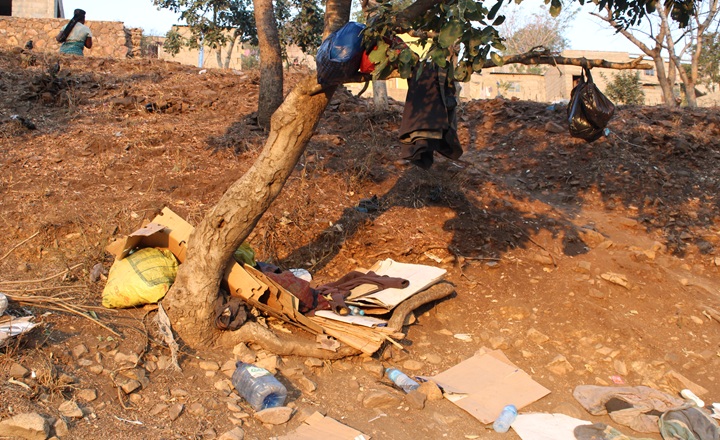
We live in a time when environmental degradation has gone from being a distant warning to a concrete experience in our daily lives. The planet is undergoing a process of ecological disintegration at an unprecedented rate, and the consequences of this crisis are increasingly visible. Extreme weather events—devastating cyclones, prolonged droughts, flash floods, suffocating heat waves—do not arise out of nowhere; they are the living embodiment of the profound imbalance that humanity has created in its relationship with nature. They are also the primary cause of cascading ecological crises, resulting in biodiversity loss, agricultural collapse, hunger, and water insecurity.
This Sustainability page was created, therefore, as a space for critical reflection and creative action in light of the urgent needs of our time. Its purpose is clear: to gather and disseminate innovative ideas, conservation projects, environmental education practices, and academic debates that can foster a new collective awareness about the environment and everything that surrounds it. More than a showcase of content, it will be a space for convergence between science, culture, local knowledge, and activism, where sustainability becomes a plural language, capable of engaging with different generations and communities.
Environmental awareness, understood as the ability to recognize nature not only as a resource but as an integral part of human life itself, is the result of a long evolution. For centuries, the environment was reduced to the status of an inexhaustible source of raw materials. Gradually, this devastation brought with it the awakening of a new sensitivity: that the limits of the planet are also the limits of our own survival. Today, environmental awareness can no longer be seen as one ethical option among many, but as an indispensable condition for the future of humanity.
In Mozambique, this journey of environmental awareness finds itself at a time of tension and possibility. On the one hand, we face major structural challenges: pressure on natural resources, dependence on extractive practices, fragile public policies, and the direct effects of climate change. On the other, signs of resistance and hope are multiplying: young people organizing community movements, researchers producing critical knowledge, local initiatives valuing sustainable practices, and a growing integration of environmental education in schools and universities.
This space in Paraíba aims to be a reflection of this process, but also a catalyst for transformation. Its goal is to inspire, provoke, educate, and mobilize, placing sustainability at the center of public and private debate. We believe that, given the gravity of the environmental crisis, it's not enough to inform: we must instigate imagination, stimulate innovation, and awaken the courage to act.
Thus, this introductory note is also an invitation. An invitation to all conservationists, researchers, students, and citizens who understand that the future of Mozambique and the planet depends on our ability to radically rethink how we inhabit the Earth. Here, each reflection is a seed, each idea a possibility, and each debate an opportunity to transform awareness into action.
Outras noticias
Culture
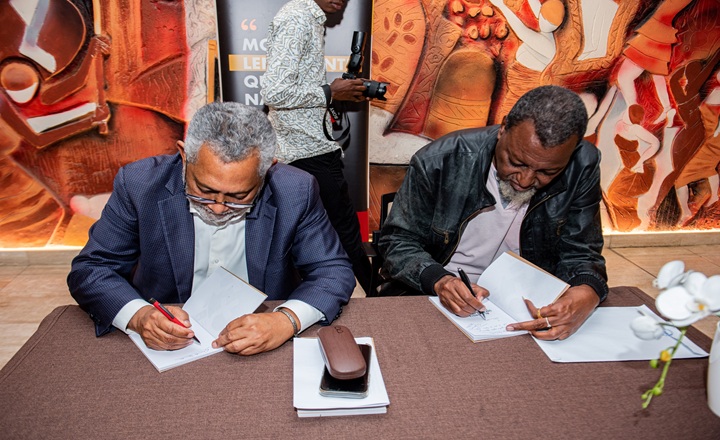
Launched at BCI, a book that immortalizes memories and humor of Zambézia
2026-10-02

Society
International Coffee Day
2026-10-02

Society
Minister Mathlombe squanders his term on empty promises
2026-10-02
policy
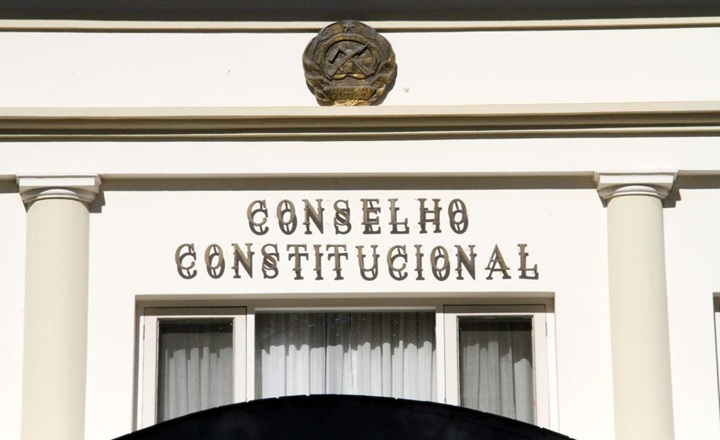
Constitutional Council Awards Purchase of Luxury Vehicles for 49.5 Million Meticais
2026-10-01
Culture
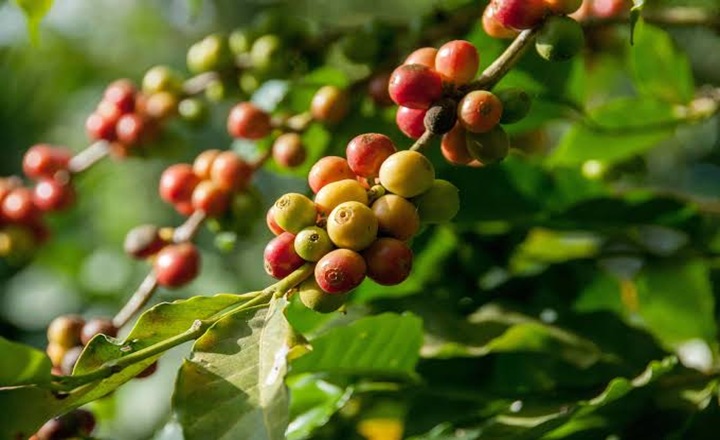
International Coffee Day: Aroma, Flavor, and History
2026-09-30
Copyright Jornal Preto e Branco All rights reserved . 2025