
Intermodal mobility kicks off in Greater Maputo - Pilot phase on the Ressano Garcia line
.jpeg)
The Ministry of Transport and Logistics will launch this Wednesday the pilot phase of the Intermodal Urban Mobility Project in the Greater Maputo Metropolitan Area. The initiative aims to integrate rail and road transport, with the aim of improving the fluidity of urban mobility and offering citizens a more efficient and sustainable alternative for travel.
The initial phase of the project will operate exclusively on the Ressano Garcia line, one of the most important in the region, used daily by hundreds of passengers travelling between peripheral areas and the capital. The intermodality will allow users to combine the train with other road transport in an articulated system, with strategic stops and coordinated timetables.
According to the Ministry, the model seeks to respond to the demographic growth of the metropolitan area, the saturation of roads and the increase in travel times during peak hours.
This launch comes at a time when works are underway to double the length of the Ressano Garcia railway line, a bid to increase the capacity for transporting goods and passengers. The first phase of the doubling, completed in 2024, increased capacity to 13 million tonnes per year, and the second phase is expected to reach 24 million.
At the same time, financing was mobilized, such as a US$40 million loan from the African Development Bank to purchase locomotives, wagons and containers to reinforce rail transport.
Among the main benefits expected with this new model are:
● Reducing road congestion;
● Improving the punctuality of transport services;
● Relieving pressure on semi-collective operators;
● Encouraging the use of more sustainable methods with less environmental impact.
The project also involves collaboration between the Mozambique Railways (CFM), private transporters and local authorities, in a joint effort to ensure successful implementation.
With this pilot experience, the Government intends to collect operational data and user perceptions, with a view to expanding the intermodal model to other railway lines in the region and, eventually, to other cities in the country.
The focus on intermodality marks a decisive step towards modernizing public transport in Mozambique, adapting it to the current challenges of urbanization and sustainable mobility.
Outras noticias
Culture
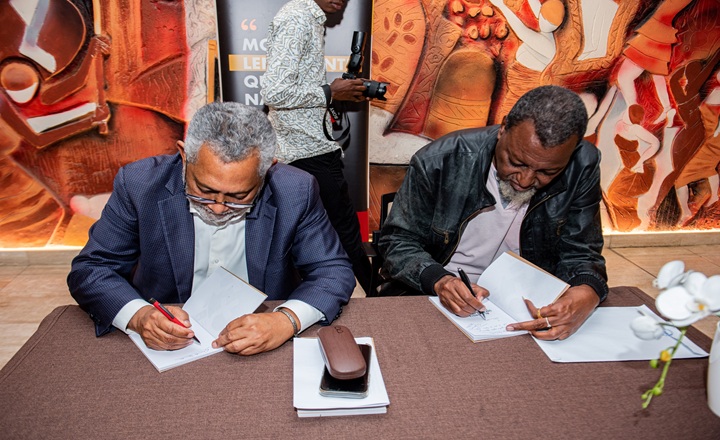
Launched at BCI, a book that immortalizes memories and humor of Zambézia
2026-10-02
Society
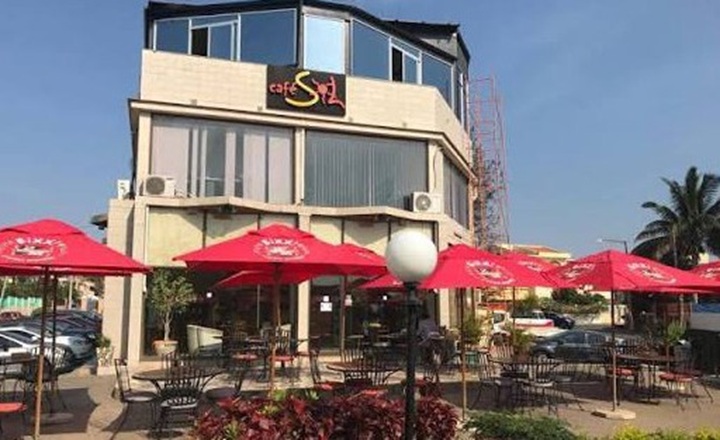
International Coffee Day
2026-10-02

Society
Minister Mathlombe squanders his term on empty promises
2026-10-02
policy
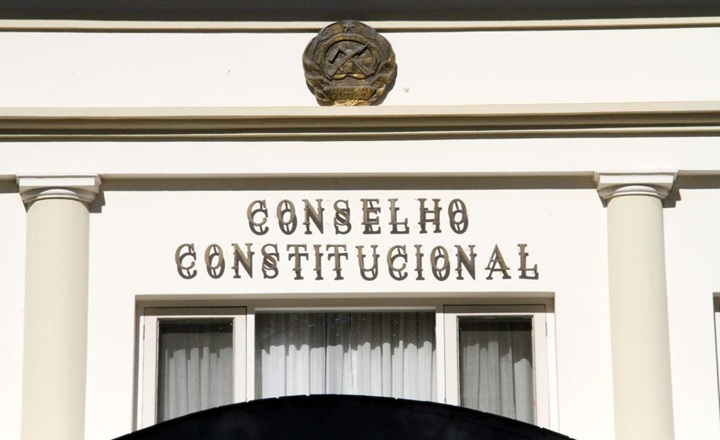
Constitutional Council Awards Purchase of Luxury Vehicles for 49.5 Million Meticais
2026-10-01

Culture
International Coffee Day: Aroma, Flavor, and History
2026-09-30
Copyright Jornal Preto e Branco All rights reserved . 2025