
Environmental Review: Green Promises or Paper Politics?
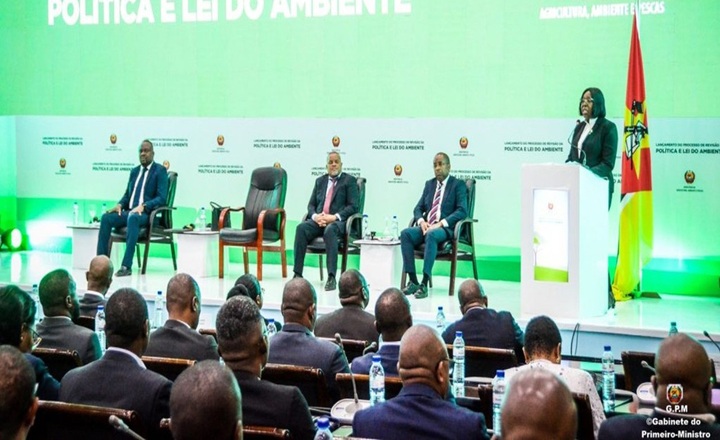
Maputo – The long-awaited Environmental Policy and Law Review Process, which promises to redefine the course of environmental management in Mozambique, was launched this Monday, October 6, 2025, at the Joaquim Chissano International Conference Center. Nearly three decades have passed since Resolution No. 5/95 and Law No. 20/97 were approved, and in that time, the country has transformed—the climate has worsened, cities have grown haphazardly, and natural resources have become the new battleground between profit and survival.
The ceremony, presided over by Prime Minister Benvinda Levi, marked the beginning of a review that, according to the government, aims to adapt the political and legal framework to the current realities of national development. Levi admitted that the current instruments no longer respond to contemporary challenges, pointing the finger at uncontrolled urbanization, pressure on forests, mining and fishing, and the increasingly severe effects of climate change. "It is time to place climate action at the center of public policies," he declared, calling for the creation of laws that protect the environment without hindering development.
The World Bank, represented by Paulo Sitoe, has committed to supporting the process technically and financially, describing it as a "strategic opportunity" to integrate environmental justice and climate resilience into the country's economic decisions. According to sources close to the Ministry of Land and Environment, the process will cost approximately one million dollars and is expected to be completed by the end of the year.
But amidst the promises and formal speeches, a warning voice emerged: Gustavo Djedje, Secretary of State for Land and Environment, who has been one of the most active figures in advocating for environmental management with a human face. Djedje recalled that, despite the policies and plans, the reality on the ground remains dire—deforestation is accelerating, soils are losing fertility, rivers are increasingly polluted, and communities, who should be the guardians of nature, live on the margins of decision-making. "We cannot continue with pretty laws and empty forests," Djedje stated in one of his recent speeches, emphasizing that between 2005 and 2024, 518 million meticais were channeled to community committees, but that the impact is still insufficient given the scale of the problems.
The government is now talking about integrating areas on environmental quality, biodiversity, and climate change into the new legal framework, as well as improving land use planning and urban sanitation. These are noble intentions, without a doubt. However, the real test will be implementation. Mozambique suffers not only from a lack of laws, but also from a lack of oversight, institutional corruption, and environmental impunity. Polluting companies operate with valid licenses, but environmental management plans never get off the ground.
If the review of the law is not accompanied by clear mechanisms for accountability and effective community participation, we risk witnessing yet another spectacle of intentions without results. Mozambican nature doesn't need more conferences—it needs action, coherence, and political courage. The country has already lost too many forests, too many lives to cyclones, and too many opportunities to build a model of sustainable development.
In times of global climate crisis, reviewing the Environmental Policy and Law is necessary but insufficient. The challenge is to ensure that this review is not just another bureaucratic exercise, but a true turning point for environmental justice in Mozambique.
Because, after all, laws don't save the environment — attitudes do.
Outras noticias
Culture
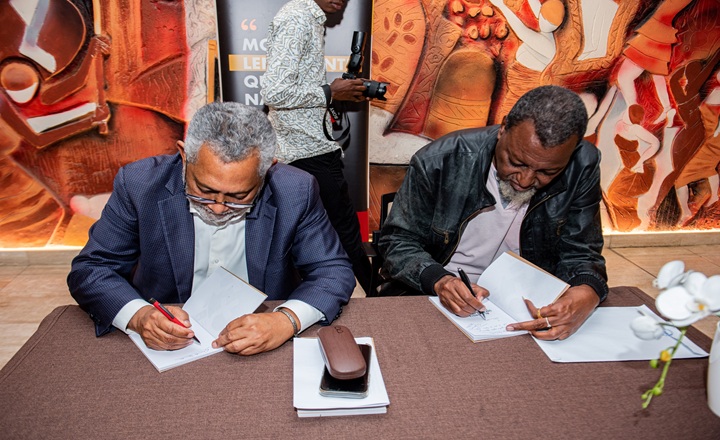
Launched at BCI, a book that immortalizes memories and humor of Zambézia
2026-10-02

Society
International Coffee Day
2026-10-02

Society
Minister Mathlombe squanders his term on empty promises
2026-10-02
policy
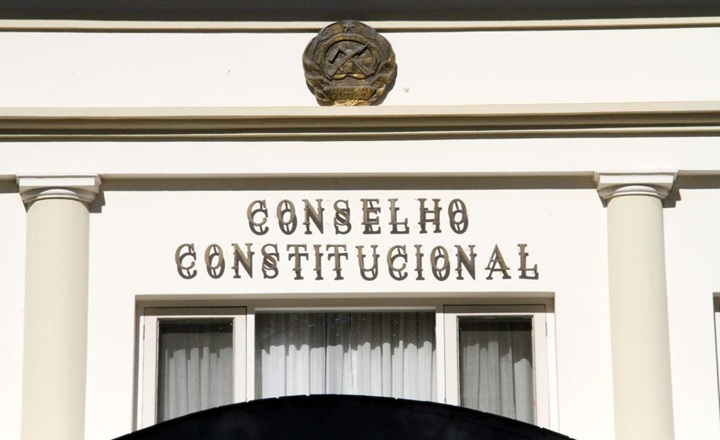
Constitutional Council Awards Purchase of Luxury Vehicles for 49.5 Million Meticais
2026-10-01
Culture
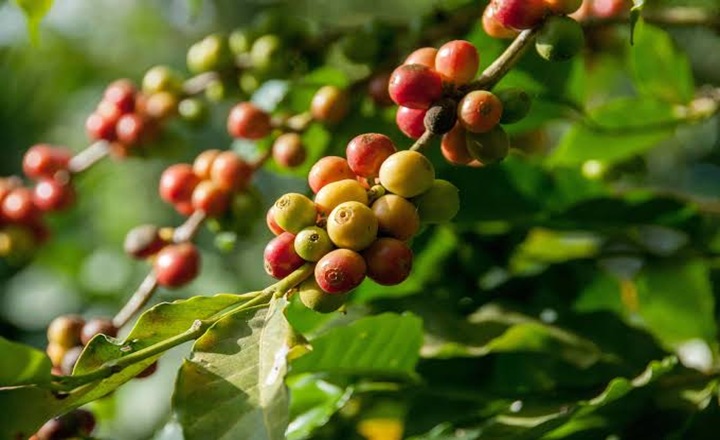
International Coffee Day: Aroma, Flavor, and History
2026-09-30
Copyright Jornal Preto e Branco All rights reserved . 2025