
Child Malnutrition Threatens 37% of Children in Mozambique: Government Approves Plan for Reduction by 2030
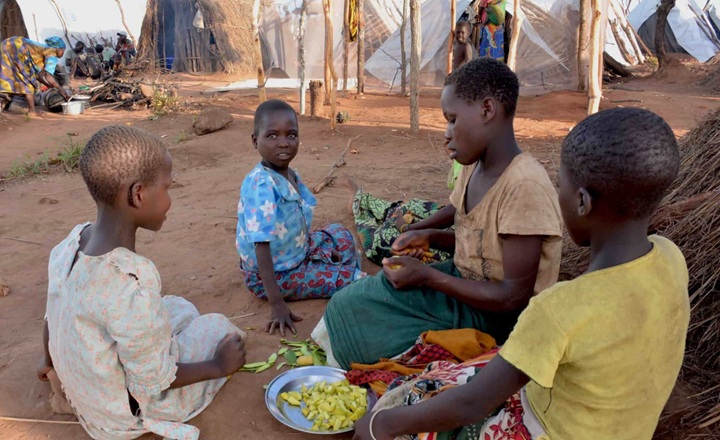
Recent data released by national authorities reveals an alarming scenario: 37% of Mozambican children under five years old face serious life-threatening risks due to acute and chronic malnutrition. This condition has profound implications, compromising not only the physical and cognitive development of a generation, but also the social and economic future of the country.
Given the seriousness of the situation, the Government of Mozambique has approved a new strategic plan to combat the problem. The goal is ambitious: to reduce the current rate of 37% to less than 30% by 2030. This initiative aligns with the country's international commitments, namely Sustainable Development Goal 2 (SDG 2), which aims to eradicate hunger and promote food security.
To achieve this goal, the plan foresees multi-sectoral actions, coordinated by the Ministries of Health, Agriculture, Education and Gender, and also counting on the support of international partners. Key measures include:
· Strengthening maternal and child nutrition.
· The implementation of food education programs in communities.
· Promoting family farming to ensure sustainable food sources.
· Improving access to health services for the early detection and treatment of malnutrition.
However, experts warn that, in addition to institutional interventions, it is crucial to promote behavioral change at the family level. Awareness campaigns on the importance of a balanced diet, exclusive breastfeeding for the first six months of life, and hygiene practices are considered fundamental to the success of the initiative.
The effective implementation of this plan will ultimately depend on the mobilization of adequate financial resources and a system of continuous monitoring to assess results and adjust strategies, ensuring that the fight against child malnutrition progresses consistently.
Outras noticias
Culture
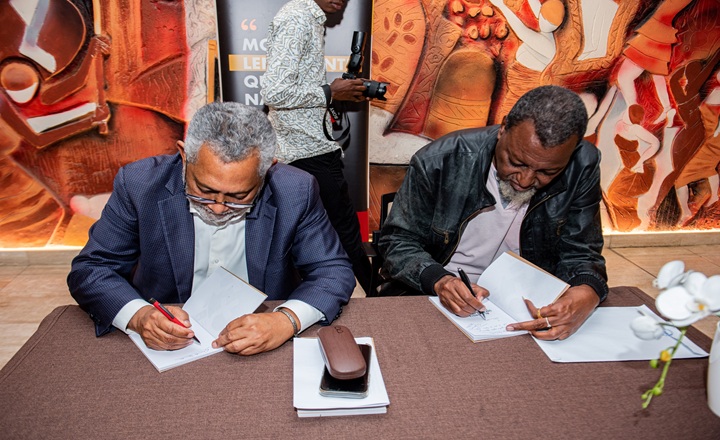
Launched at BCI, a book that immortalizes memories and humor of Zambézia
2026-10-02

Society
International Coffee Day
2026-10-02

Society
Minister Mathlombe squanders his term on empty promises
2026-10-02
policy
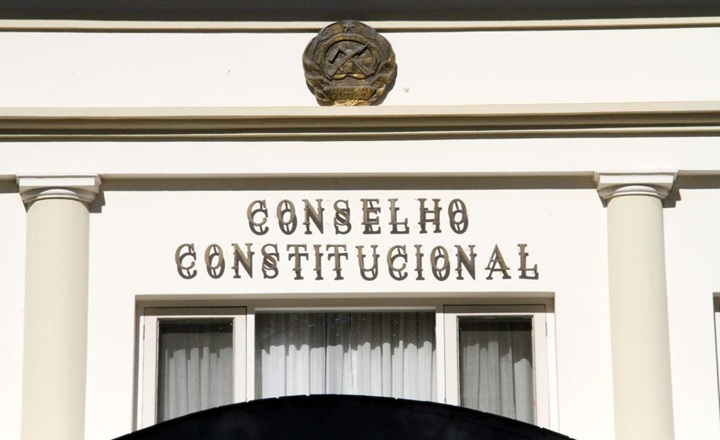
Constitutional Council Awards Purchase of Luxury Vehicles for 49.5 Million Meticais
2026-10-01
Culture
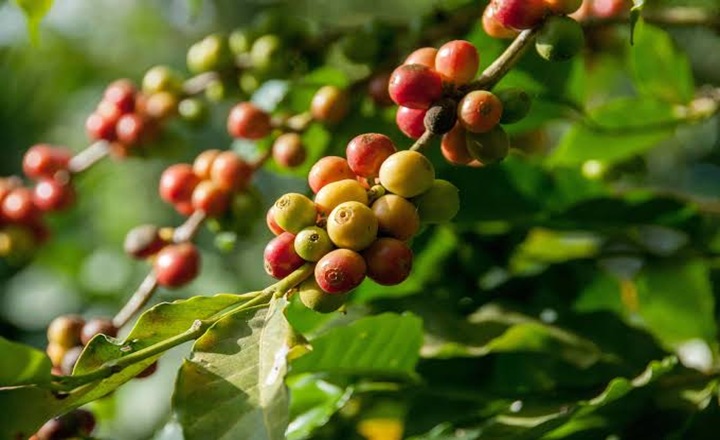
International Coffee Day: Aroma, Flavor, and History
2026-09-30
Copyright Jornal Preto e Branco All rights reserved . 2025