
African Union defines continental strategy against drugs and crime for 2026–2030 in Maputo
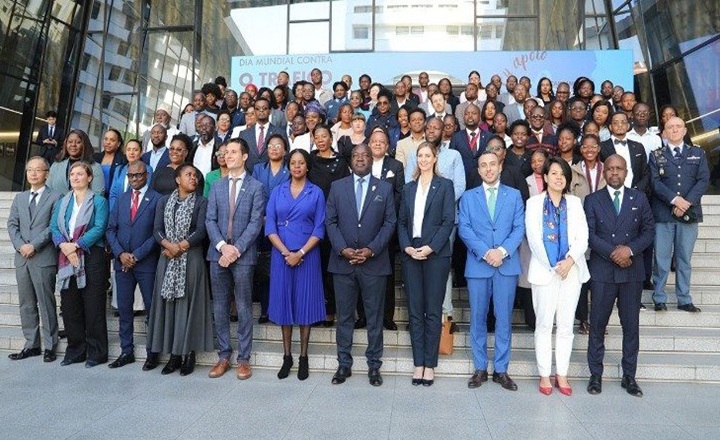
For the first time, Maputo is hosting the African Union (AU) Continental Technical Meeting of Experts to develop the Action Plan for Drug Control and Crime Prevention 2026–2030. This strategic instrument aims to guide the continent's responses to the complex challenges of drug trafficking and consumption, organized crime, and public health issues.
Organized by the African Union Commission and hosted by the Government of Mozambique, the event brings together ministerial representatives, experts, researchers, traditional leaders, and international organizations from various regions of the continent.
The opening ceremony featured high-level speeches, including those from Mozambique's Minister of Justice, Mateus Saíze, and the Director-General of the Central Office for Drug Prevention and Control, Filomena Chidsondzo. Representatives from the United Nations, health institutions, and regional networks of traditional leaders were also present.
Alarming data underscores the urgency of the plan. Presentations from entities such as UNODC and the Pan-African Network on Drug Epidemiology revealed worrying trends:
- It is projected that, by 2030, drug consumption in Africa will increase by 30%, driven by youth population growth and the expansion of domestic markets;
The continent is responsible for 57% of global seizures of pharmaceutical opioids, such as tramadol and codeine;
- Cannabis use in some regions reaches 10% of the population between 15 and 64 years old, more than double the world average;
- Southern Africa has a particularly high prevalence of HIV and hepatitis C among people who inject drugs;
Given these indicators, experts stressed the need for a solid continental action framework based on scientific evidence.
A balanced approach aligned with global agendas. The representative of the African Union Commission, Ângela Martins, highlighted that the new Action Plan should reflect a balanced approach between reducing supply, demand and harm. To this end, it is crucial to strengthen data systems and the protection of human rights. The document will thus align with Agenda 2063 – The Africa We Want, the UN Ministerial Declaration (2019) and the conclusions of the Lusaka High-Level Session (2023).
The AU also emphasized the inclusion of cross-cutting components such as gender, youth, restorative justice and alternatives to incarceration.
Traditional leaders as key players
One of the highlighted themes was the central role of communities. The President of the Southern African Network of Traditional Leaders, Kgosi Thapo Seatlholp, argued that "traditional leaders should be recognized as strategic partners and key actors in implementing drug responses in Africa." He also warned of the need to harmonize regional legislation and consolidate a unified African position in international forums such as the G20.
International partners increase support.
Several technical partners reaffirmed their commitment. The head of UNODC in Mozambique, António De Vivo, warned that "drug consumption in Africa is increasing twice as fast as in the rest of the world," advocating for a plan that combines public health and crime fighting. In turn, the Executive Director, Joana Roberts, highlighted the importance of a skilled workforce, noting that there are already "more than 11,500 African professionals linked" to their training networks.
Mozambique shares national progress.
At the national level, Judge Filomena Chidzodzo presented Mozambique's progress, which includes the revision of the drug law, the implementation of an Integrated Action Plan, and the institutional strengthening of the Central Office for Drug Prevention and Control. She appealed for continental unity, stating that "no country will be able to face this challenge in isolation" and that "science-based, inclusive, and people-centered policies" are necessary.
Expected Results of the Meeting
With the completion of the work, the technical meeting is expected to deliver:
- The consensus structure of the 2026–2030 Action Plan;
- Defining the strategic pillars (supply, demand, harm, data, public health, human rights, gender, and youth);
- A matrix of indicators for monitoring;
4. The implementation, consultation, and validation schedule;
5. The distribution of responsibilities and coordination mechanisms;
6. A resource mobilization strategy;
7. Identifying new challenges and emerging priorities.
In conclusion, the Mozambican authorities invited the participants to enjoy the culture, gastronomy, and vibrant coastline of Maputo.
Outras noticias
Culture
Launched at BCI, a book that immortalizes memories and humor of Zambézia
2026-10-02
Society
International Coffee Day
2026-10-02
Society
Minister Mathlombe squanders his term on empty promises
2026-10-02
policy
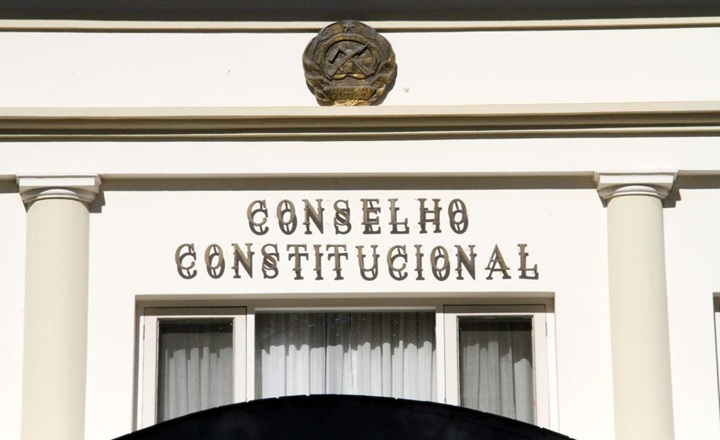
Constitutional Council Awards Purchase of Luxury Vehicles for 49.5 Million Meticais
2026-10-01

Culture
International Coffee Day: Aroma, Flavor, and History
2026-09-30
Copyright Jornal Preto e Branco All rights reserved . 2025