
“Embrace for the homeland: Beira celebrates Victory Day by showing the country the path to unity”
Paulo Vilanculo"
On September 7th, Mozambique commemorated one of the most important milestones in its history: the signing of the Lusaka Accords in 1974, which paved the way for national independence, proclaimed on June 25th, 1975. In the city of Beira, considered one of the living stages of popular mobilization, the date was celebrated with a spirit of unity, peace, and hope for the future. Beira once again demonstrated that victory is not just a memory; it is a contagious life that continues to pulse. The streets took on festive colors, with flags unfurled and the sounds of chants reviving the memory of liberation. Families, young students, and war veterans gathered in different parts of the city to commemorate the significance of the victory achieved through the sacrifice and determination of the Mozambican people. The sound of the chants echoed like a prayer and a promise to never forget the roots of freedom, but also to never give up watering the present.
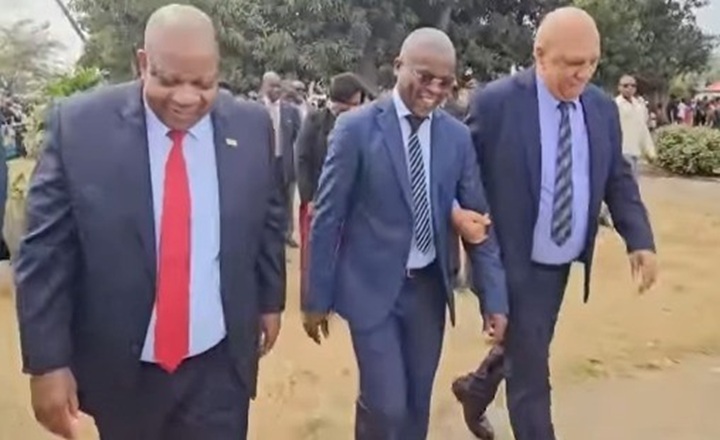
The most memorable moment was the warm meeting between the Governor of Sofala, Lourenço Bulha, the Mayor of Beira, Albano Carige, and the Secretary of State, Manuel Rodrigues. Amidst smiles, handshakes, and fraternal embraces, the three leaders demonstrated themselves as true sons of the same beloved country and demonstrated that yesterday's victory only makes sense when there is unity today. In their embraces and confident glances, a common sentiment emerged: that peace is the sweetest of achievements and democracy is the path that gives the people a voice. A simple yet profound gesture, a sign of a politically joyful city with prosperous horizons, confirming that when there is unity and mutual respect, past victories transform into living hope for the future. It instilled confidence and renewed hope that Mozambique can only move forward when its leaders walk together, side by side with the people.
On the faces of the Beira residents, there was emotion and gratitude, but also the certainty that the future will only be victorious if everyone walks side by side. For many Beira residents, the celebration was not only a tribute to the past, but also a call to action: the need to consolidate democracy and strengthen peace, values born of the struggle against colonial domination. "September 7th reminds us that freedom was not a gift, but a conquest made with sweat and blood. Today, our mission is to honor this heritage, building a more just and united country," said a veteran interviewed for the report.
With simple gestures, from symbolic marches to cultural activities, the people of Beira demonstrated that Victory Day remains a symbol of collective identity and commitment to the future. Between the memory of struggles and the smiles that express confidence in democracy, the celebration reaffirmed Beira's role as a space where history and hope walk side by side. September 7th was not just a memory, but a joy reflected in the streets and on human faces bathed in the rhythm of chants sung to the scorching, undulating rhythm of the Indian Ocean wind, uniting the resounding celebration of the past, radiant in the present, and expectant for the future—a symbol of victory, yesterday, today, and tomorrow.
2025/12/3
Copyright Jornal Preto e Branco All rights reserved . 2025
Copyright Jornal Preto e Branco Todos Direitos Resevados . 2025
Website Feito Por Déleo Cambula