
Gorongosa: From the Ghosts of War to the Renewal of Hope
Alípio Mauro Jeque"
Thank you Greg Carr
Between the rolling hills of Sofala and rivers shimmering under the African sun, rises Gorongosa National Park, one of Mozambique's most precious natural jewels. Created during colonial times in 1920, the park was conceived as a refuge for the region's unique fauna and flora. Its golden savannas, dense forests, and floodplains sheltered an unparalleled diversity of species: majestic elephants, powerful lions, robust buffalo, elegant antelopes, imposing hippos, and a multitude of birds that painted the sky with vibrant colors and echoed throughout the park's vastness.
In its early years, Gorongosa was synonymous with ecological prosperity. Explorers and naturalists came from all corners of the world, marveling at the wealth of life hidden in the hills and rivers. It was a place where humans could, for a moment, feel small before the grandeur of nature. But this splendor would not last forever.
The civil war that ravaged Mozambique between 1977 and 1992 brought with it a period of unimaginable devastation. The park became a ghost town. Poachers and militias decimated animal populations; lions and elephants almost completely disappeared, and birdsong fell silent under the shadow of destruction. Forests were consumed, savannas transformed into silent fields, and rivers that once teemed with life became empty and threatened. Gorongosa, which for decades had been a symbol of natural wealth, became a landscape of loss and abandonment.
It was in this context of near-hopelessness that an almost unimaginable miracle began. At the beginning of the 21st century, the Gorongosa Restoration Project took shape, led by American philanthropist Greg Carr. Carr believed it wasn't just about restoring a park, but about restoring a lost part of humanity. With his own resources, scientific vision, and international partnerships, he began a process of ecological and social reconfiguration that would redefine the concept of conservation in Africa.
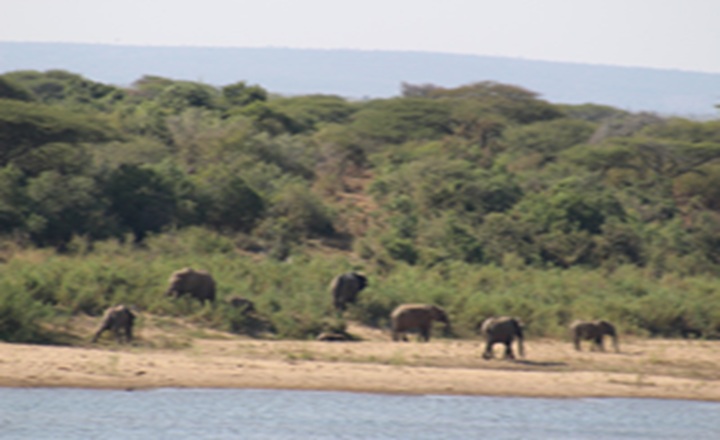
Gorongosa's rebirth began with the repopulation of extinct species. Elephants and hippos returned to the savannas; lions were reintegrated into their ancestral territory; and small antelopes and zebras, once nearly extinct, once roamed freely through the grasslands. Each reintroduction was carefully studied, each species monitored to ensure that ecological balance was restored. Today, the park is not just a refuge, but a living testament to the fact that nature can regenerate when human will is combined with conservation.
The impact of the rebirth goes beyond biodiversity. Gorongosa has become a driver of local development. Neighboring communities have found opportunities in sustainable tourism: local guides lead visitors along savanna trails, artisans sell products inspired by flora and fauna, and small lodges offer authentic experiences integrated into the natural landscape. The region has become an economic, cultural, and social hub, demonstrating that conservation and development can go hand in hand.
Singular stories of iconic animals demonstrate the power of this rebirth. An elephant named Tembo, reintroduced to the park, became a symbol of wildlife's persistence; the hippo family that reclaimed the Gorongosa River restored balance to the waters, ensuring fish reproduction and the survival of waterfowl. Each returning species tells a story of hope and resilience.
Regional cooperation has further expanded the scope of this success. Neighboring parks in Mozambique, Malawi, and Zambia have established wildlife corridors, allowing species to migrate and reproduce, strengthening the ecosystem in an integrated manner. The 21st-century Gorongosa is not just a reserve, but a center of conservation knowledge and innovation, connected to all of southern Africa.
Today, Gorongosa displays a new face: verdant landscapes, rivers teeming with life, birdsong, and lion roars echoing once again. The park has become a symbol of environmental and social redemption, proving that even in the darkest times, life can resurface. Greg Carr and everyone who collaborated on the project demonstrate that philanthropy combined with science and a passion for nature can transform destinations.
Gorongosa National Park is more than a protected area: it is a celebration of the miracle of life reborn, of the reconciliation between man and nature, and of the certainty that Mozambique, through its landscapes and people, can be a benchmark for conservation, tourism, and sustainable development. Every tree, every animal, every river restored to its fullness tells a story of hope, reminding us that even after destruction, life always finds ways to flourish.
2025/12/3
Copyright Jornal Preto e Branco All rights reserved . 2025
Copyright Jornal Preto e Branco Todos Direitos Resevados . 2025
Website Feito Por Déleo Cambula