
Insurgência em Moçambique: porquê Mocímboa
Alípio Freeman "
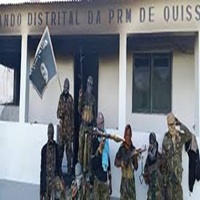
Insurgency in Mozambique: why MocímboaSince 2017, northern Mozambique, particularly the province of Cabo Delgado, has been the scene of a prolonged tragedy that the country and the world seem to have normalized. The insurgency, born in the shadows of social exclusion and fueled by obscure economic interests, has plunged the region into a spiral of pain and disorganization. In each burned village, in each abandoned body, there is a portrait of a state that has lost control and a society pushed towards the abyss. The first attacks in Mocímboa da Praia were seen as isolated episodes, acts of common criminals. But it quickly became clear that behind the bullets there was something deeper: a combination of despair, fanaticism, and economic manipulation. And the question arises: why Mocímboa? Why that district, and not another? The answer may lie in its strategic position and coveted subsoil, rich in natural gas, rubies, timber, and other riches that, ironically, have never benefited its inhabitants. Reports from Amnesty International (2021) and the United Nations (2022) describe a humanitarian crisis of devastating proportions. Hundreds of thousands of displaced people, entire villages destroyed, and a youth without prospects. Communities, already weakened by poverty, became easy prey for forced recruitment, while state forces, frequently accused of abuses, lost the trust of the population. Insurgency flourished in the vacuum left by the absence of a welfare state. The youth of Cabo Delgado, without access to education, employment, and land, saw violence as a false alternative to misery. Meanwhile, political and business elites amassed fortunes linked to mega-gas projects and the exploitation of natural resources. It is a cruel paradox: the same land that generates wealth also generates suffering. Drug trafficking, denounced in reports by the Institute for Security Studies (ISS, 2020), found a perfect route in Cabo Delgado. Mocímboa, with its natural harbor and fragile borders, became a transit point for heroin and methamphetamines, moving millions of dollars through networks linked to powerful figures. Meanwhile, ordinary citizens flee into the bush, not knowing who the enemy is: the terrorist, the soldier, or hunger. The international community reacted coldly. For years, the deaths were merely statistics in diplomatic reports. Only when the gas from Afungi was at risk did coordinated military responses emerge. Foreign troops arrived, not to save people, but to protect investments. Human life, once again, took a back seat. The social fabric of Cabo Delgado was torn apart. Families broken apart, children without school, women victims of rape, men executed or forced to join the insurgents. Poverty deepens. Collective trauma spreads. The war is no longer just physical, it is moral. The displaced people, scattered across Nampula, Niassa and Zambézia, survive on handouts and vain hopes.While official speeches speak of "reconstruction" and "normalization," normality doesn't return where it exists.
Fear. Mocímboa, Palma, Macomia, Mueda—names that have become synonymous with suffering—remain open wounds in the national conscience. The State speaks of victory, but the people speak of absence. The promises of development never arrive, and when they do, they are distributed in silence, between those who rule and those who enrich themselves. Why Mocímboa? Because it is there that the paths of greed intersect. Because it is there that power and impunity meet. Because it is there that the fragility of the Mozambican State becomes visible, naked and raw. Mocímboa is the mirror of a country divided between luxury and mourning, between underground wealth and surface poverty. While some celebrate contracts and agreements, the people remain in the bush, without bread or shelter. And when peace is spoken of, only silence is spoken of—the silence of weapons, but not the silence of pain. The insurgency is more than a war; it is the symptom of a wounded nation, betrayed from within and forgotten from without. And perhaps the question should go beyond Mocímboa: why Mozambique? Why does the suffering of our people continue to be a good business for some and a source of indifference for so many others?
2025/12/3
Copyright Jornal Preto e Branco All rights reserved . 2025
Copyright Jornal Preto e Branco Todos Direitos Resevados . 2025
Website Feito Por Déleo Cambula