
Chiquinho Condé and the Character Assassination of Captain Dominguez
Alípio Freeman"
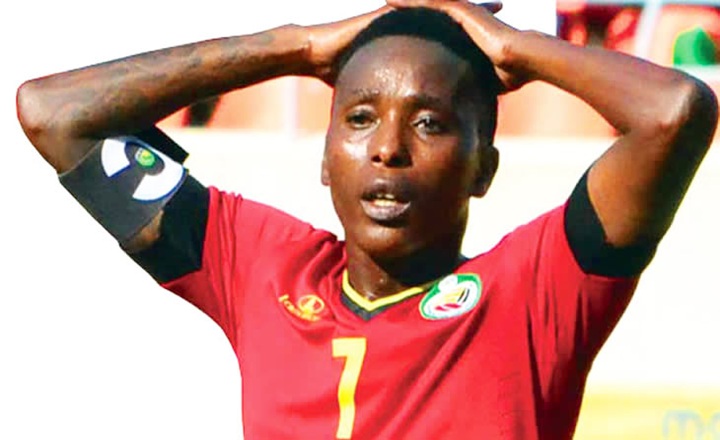
There are names that transcend football. Dominguez is not just a player: he is an entire chapter in Mozambique's history written in sweat, pain, joy, and tears. He is the wonder boy who, coming from nothing, conquered everything. He is the captain who, for almost twenty years, served as a shield for a team so often broken and demoralized. He played conditioned, he played hurt, he played when all seemed lost. He played because he believed, because he loved the jersey.
And yet, this is how his country repays him: with the Federation's complicit silence and the public contempt of his coach. Chiquinho Condé didn't just exclude him from the squad—he excluded him from the narrative, erased a piece of collective memory, assassinated the character of a man who raised flags when everyone had already given up on belief.
There's no hiding it: the harsh, almost humiliating way the coach spoke of Dominguez is an insult. Not to a player at the end of his career, but to the most international player in our history, the face of a generation, the captain who, even in the darkest days, had the courage to look the people in the eye.
Chiquinho had done it before. Zainadine Júnior felt it. Paito did too. Others, in the silence of their clubs, bear similar scars. The authoritarianism with which he runs the locker room always seems greater than his own technical responsibility. Today, Dominguez is the victim. Tomorrow, someone else will be. It's the logic of power for power's sake, of vanity disguised as autonomy.
But what hurts most isn't the coach's coldness. It's the Federation's hypocrisy. Not long ago, it was Chiquinho who was on the verge of relegation. Bay Sidat, impatient, was already pointing the way out. It was the people, the national outcry, the players themselves—and Dominguez among them—who held him back. We've all seen the images: Chiquinho crying on Dominguez's shoulder, begging for trust, imploring unity. And now? Now it's this same Dominguez who, according to him, should call to request a call-up. What cruel irony!
The relationship between coach and captain is like that between a father and son. When there are disagreements, it's the father who calls for a conversation, who opens the door for reconciliation. But Chiquinho chose to turn his back, letting his arrogance prevail. This is not how a family is built, nor how a sporting nation is sustained.
Respect for Dominguez isn't a matter of opinion. It's a matter of principle. It's a matter of state. He's not just a disposable player, the kind you replace on the squad list. He's the living memory of a national team that so often breathed thanks to his generous heart. When the nation was crumbling into political crises, structural poverty, and endless disappointments, it was Dominguez who stepped onto the field, raised his arms, and told the people: "It's still worth believing."
Cycles do come to an end, yes. Age takes its toll, it's inevitable. One day we all lose our throne. But neither the weight of years nor the natural arrival of new talent can justify character assassination. Exclusion may be technical, but respect is non-negotiable.
What is required today is not that Dominguez be called up out of pity, nor that he be a permanent fixture in the national team. What is required is that he be treated with the dignity he deserves. Because without memory, there is no identity, and without identity, there is no future.
The Federation can pretend not to understand, but the people do. The people don't ask the Mambas for miracles. They ask for dignity. And dignity begins with recognizing those who carried the weight of the nation on their shoulders. If Dominguez falls without honor, we all fall with him.
2025/12/3
Copyright Jornal Preto e Branco All rights reserved . 2025
Copyright Jornal Preto e Branco Todos Direitos Resevados . 2025
Website Feito Por Déleo Cambula