
Waste Without Borders: The Dangerous Cycle from Landfill to Mozambican Tables
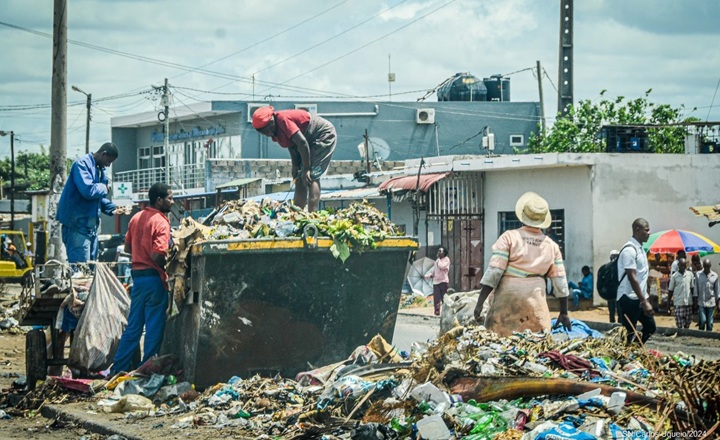
Since national independence, Mozambique has lived with a sanitary paradox: officially, the country does not have properly structured sanitary landfills, but rather "waste disposal sites" without any technical or environmental criteria. This reality is most evident in the capital, Maputo, where the former Hulene and Malhapswene dumps have become veritable parallel markets for products unfit for consumption.
During our reporting as part of an environmental exercise in these locations, it became clear that waste pickers have free and unrestricted access to all types of waste. Among the materials collected, expired or expired products stand out, such as chicken feet and other perishable foods.
What is most alarming is that, through parallel channels, these products return to the commercial circuit and are sold to the population as if they were in perfect condition. Therefore, all the waste deposited in these informal landfills ends up, through other means, returning to our homes.
Consequently, public health is severely compromised, since there is no effective restriction or oversight in those areas. The lack of control allows infected animals to be slaughtered and sold right there, at the entrance to the garbage dump, at attractive prices – a business that completely ignores the biological and toxicological risks to human life.
According to a source who accompanied our team, "Mozambique doesn't have garbage dumps, but rather places considered potential waste disposal sites." This is because, according to the same source, waste should follow a strict hierarchy: it would be segregated, classified, and routed according to the level of danger it represents to society.
However, in practice, none of this happens. The premises should be sealed off and prepared to prevent the entry of any individual, otherwise we would witness the shameful situation of spoiled food being rehabilitated for consumption.
Given this scenario, it is urgent that the Government adopt structural measures. In addition to the construction of controlled landfills, the introduction of school subjects dedicated to teaching environmental issues from the earliest years of schooling is advocated. Environmental education is seen as the key to raising awareness in society and breaking this vicious cycle that transforms waste into a silent but fatal threat to all Mozambicans.
Until that happens, the garbage continues to travel – from makeshift containers to wheelbarrows, from wheelbarrows to market stalls and, finally, to the citizen's table. A journey that should be prohibited, but which, unfortunately, has become routine.
Outras noticias
Culture
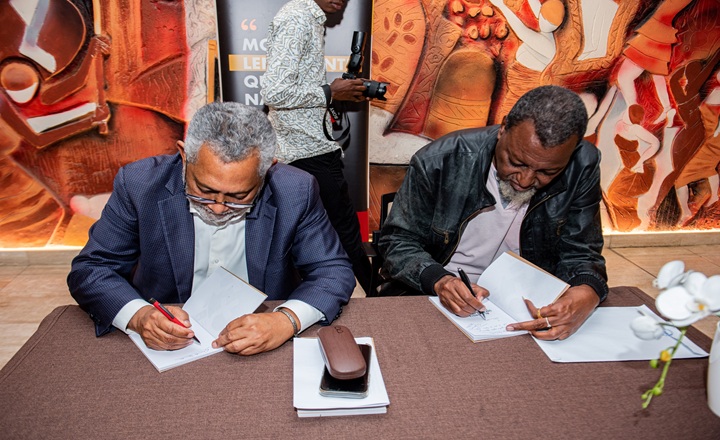
Launched at BCI, a book that immortalizes memories and humor of Zambézia
2026-10-02
Society
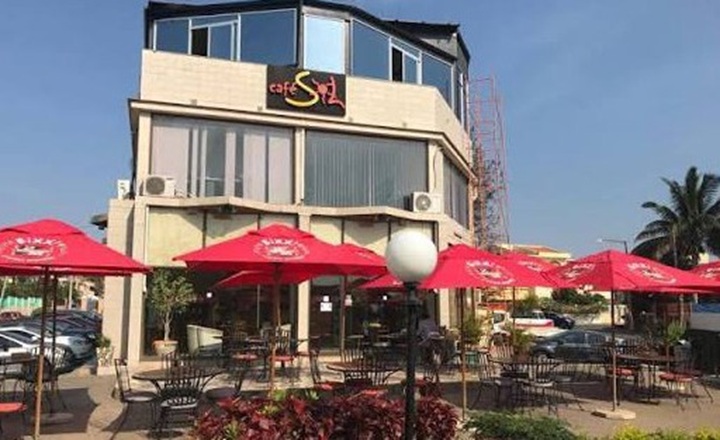
International Coffee Day
2026-10-02

Society
Minister Mathlombe squanders his term on empty promises
2026-10-02
policy
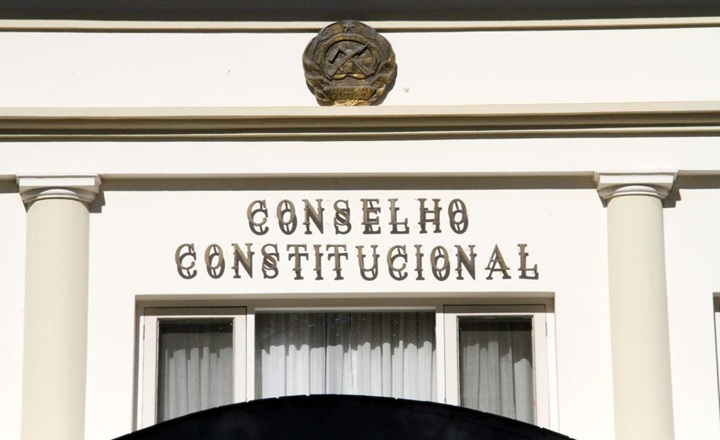
Constitutional Council Awards Purchase of Luxury Vehicles for 49.5 Million Meticais
2026-10-01
Culture
International Coffee Day: Aroma, Flavor, and History
2026-09-30
Copyright Jornal Preto e Branco All rights reserved . 2025