
Shopkeepers on Julius Nyerere Avenue held hostage by robberies that intensified after the protests
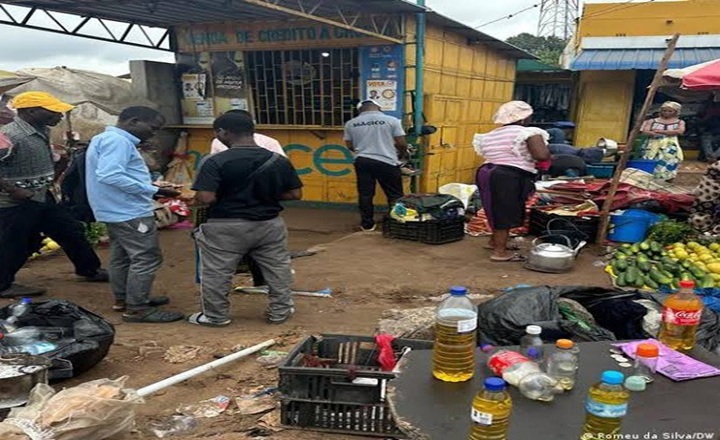
What was once a recurring problem has turned into a daily nightmare. Merchants on Julius Nyerere Avenue, one of the main access roads to the center of Maputo City, live under constant alert due to the escalation of robberies which, according to them, have worsened significantly after the post-election demonstrations. Between poor street lighting, insufficient police patrols, and suspicion of collusion with residents of neighboring districts, merchants see their businesses threatened and customers disappearing.
Along Julius Nyerere Avenue, the activity during the day is intense. Cars, pedestrians, and customers entering and leaving the shops create the illusion of a vibrant commercial artery. But when the sun sets, the scene changes radically – and fear takes hold.
The merchants on the street, one of the most strategic access routes to the city center, are denouncing a growing wave of robberies that has transformed their livelihood into a dangerous place. The complaint is unanimous: the robberies are not new, but they have reached desperate levels since the last post-election demonstrations.
The lack of adequate public lighting, deficient patrolling by the Protection Police, and the possible complicity of residents of dubious conduct in the surrounding neighborhoods are cited as the main factors that favor the actions of criminals. There are also those who suspect that the robbers have information coming from within the communities themselves, which further hinders the work of the authorities.
For Sheila Muianga, a hairdresser, the situation is already out of control. She says she was the victim of two robberies this year, but what worries her most is the change in the thieves' modus operandi. "The robberies had been happening for quite some time, but they got worse after the protests. Now the thieves come during the day, pretending to be customers, but in reality they are scouting the place to return at night. It has become difficult to work in this area," she lamented.
Mr. Hilário (a fictitious name), who prefers not to be identified for fear of reprisals, says he no longer feels safe even during the day. "Countless times, customers have come here, supposedly looking for products like the ones I'm selling. But, in a moment of distraction, they would ask neighbors for change, and when I noticed, some things had already disappeared. The customer would also vanish, and I would have no one to blame," he reported.
A resident of the Laulane neighborhood and worker on the avenue, Mr. Mário witnesses the complicit silence of the night. "I live right here by the roadside. Sometimes I go out late at night, but I never see anyone stealing, much less the police patrolling. During the day, there are many people walking back and forth, seemingly harmless. But at dawn, it's always the same pain: I hear the neighbors crying because their shops have been robbed," he said.
The impact is already being felt in the wallets and morale of shopkeepers. Many are giving up and seeking safer locations, while those who persevere are seeing their clientele dwindle day by day. "We've lost many customers because of this situation," lamented Mr. Mário.
As complaints pile up, shopkeepers are calling for urgent intervention from the authorities – more lighting, effective night patrols, and a thorough investigation to dismantle the networks that fuel this cycle of violence and impunity. Until then, Julius Nyerere Avenue remains, for many, a two-way street: one of hope during the day and one of despair when night falls.
Outras noticias

Culture
Launched at BCI, a book that immortalizes memories and humor of Zambézia
2026-10-02
Society
International Coffee Day
2026-10-02

Society
Minister Mathlombe squanders his term on empty promises
2026-10-02
policy
Constitutional Council Awards Purchase of Luxury Vehicles for 49.5 Million Meticais
2026-10-01

Culture
International Coffee Day: Aroma, Flavor, and History
2026-09-30
Copyright Jornal Preto e Branco All rights reserved . 2025