
Morocco is boosting its logistical ambitions with two mega-port projects valued at $6.3 billion
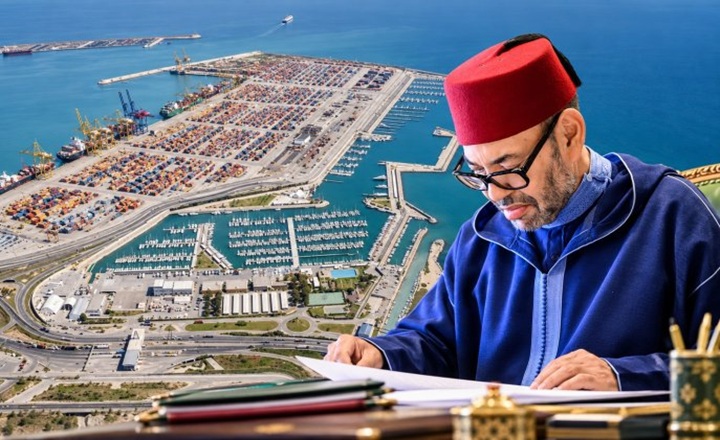
Port projects are expected to generate 34,000 direct and indirect jobs in Nador and increase Tanger Med's capacity to 20 million containers per year.
Rabat, October 29, 2026 — King Mohammed VI presided over a working session at the Royal Palace in Rabat on Wednesday, dedicated to advancing the Nador West Med port and industrial complex and expanding the Tanger Med port, two strategic projects aimed at strengthening Morocco's position in global logistics, industry, and energy chains.
According to a statement from the Royal Cabinet Office, the Nador West Med complex has already mobilized public and private investments of 54 billion dirhams. The first container terminal is expected to become operational in the coming days, while a second terminal is scheduled to begin operations in April 2027.
Meanwhile, Morocco is preparing to start construction on the new Tanger Med 3 port, which will add an annual capacity of 4.5 million containers to the existing port complex, through an investment of eight billion dirhams.
The two projects are part of the Kingdom's strategy to develop a high-capacity port system, capable of responding to the reorganization of international supply chains, attracting investment and promoting the economic development of the territories involved.
Nador West Med plans to create 34,000 jobs.
Located in the northeastern region of Morocco, the Nador West Med complex was designed to complement the activity of Tanger Med, combining port infrastructure with industrial, logistics, and energy platforms.
According to the statement, the first container terminal will have the capacity to handle 3.5 million containers in its initial phase. The second terminal, scheduled to become operational in April 2027, will add a capacity of 1.8 million containers.
Together, the two terminals represent private investments of eight billion dirhams.
The project also includes infrastructure for the transport and storage of hydrocarbons, as well as a liquefied natural gas (LNG) terminal with the capacity to process up to five billion cubic meters per year.
The hydrocarbon component includes a dedicated terminal and a storage area with a potential capacity of four million cubic meters. According to the Royal Cabinet, this infrastructure is part of Morocco's efforts to strengthen its energy security.
The port's offering will be complemented by terminals dedicated to dry bulk cargo and general cargo, expanding the complex's capacity to serve different segments of maritime trade.
In the industrial sector, the Nador West Med zone is already operational, with one factory in operation and three others under construction. Moroccan authorities expect that the establishment of new companies will boost economic activity and job creation.
The projections presented to the King indicate the creation, in the short term, of 14,000 direct jobs and 20,000 indirect jobs, totaling 34,000 job opportunities associated with the complex.
Railways and roads to connect the port to the regional economy.
Nador West Med's strategy also includes the development of infrastructure linking the complex to the surrounding economic zones.
Among the planned interventions are the Selouane–Nador West Med rail link, the Guercif–Nador West Med highway, and the modernization of the road network.
These connections should facilitate the transport of goods, improve the integration of the port with production and distribution centers, and expand access for regional companies to national and international logistics networks.
The investment in transport infrastructure thus goes hand in hand with the intention of transforming Nador West Med into an industrial and logistics hub, and not just a point of entry and exit for goods.
Tanger Med 3 will add 4.5 million containers.
The second focus of the meeting was the expansion of Tanger Med, the port complex located in northern Morocco, through the construction of the new Tanger Med 3 port.
The project will be located west of Tanger Med 2 and will feature 1,200 meters of quay, allowing for an additional annual capacity of 4.5 million containers. The projected investment is eight billion dirhams.
The Royal Cabinet announced that a concession contract has been signed with Maersk-APM, a company linked to the international maritime transport sector, for the development of the new container terminal.
The plan also includes the expansion of the passenger and roll-on/roll-off (Ro-Ro) cargo terminal, a method used for transporting vehicles and other cargo that enter and leave ships under their own power or on wheels, as well as the eastward extension of Tanger Med 2.
With the completion of these interventions, the Tanger Med complex will be able to reach a total capacity of 20 million containers per year, placing it, according to the forecast presented, among the ten largest ports in the world.
The expansion is expected to strengthen Morocco's capacity to capture international trade flows, serve maritime transport networks, and attract industrial activities dependent on proximity to large-scale port infrastructure.
King demands concrete benefits for local populations.
Despite the scale of the investments and capacity targets, Mohammed VI stressed the need to ensure that the economic results of the projects are accompanied by social benefits for the communities in the regions covered.
At the end of the working session, the monarch stressed the imperative need for the economic and social benefits of the projects to extend to all the provinces involved and translate into concrete improvements for the local populations.
In this context, he requested the acceleration of vocational training programs adapted to the needs of emerging sectors, with the aim of facilitating the integration of young people into the labor market.
The approach places workforce qualification and employability at the heart of project implementation, in a context where port expansion aims to attract new companies and develop industrial, logistical, and energy activities.
The challenge will be to transform the additional capacity for moving goods and the announced investments into sustainable jobs, opportunities for local businesses, and better living conditions for the population.
Strategy to strengthen international competitiveness
The Nador West Med and Tanger Med projects are part of a development vision that seeks to combine international competitiveness with a broader territorial distribution of investments.
According to the statement, this ambition involves mobilizing private capital, applying public investment to strategic infrastructure, and creating economic opportunities in the regions involved.
The complementarity between the two complexes should allow Morocco to expand its logistics and industrial offerings, strengthen its energy component, and respond to changes in global value chains.
Wednesday's meeting continued the working sessions promoted by the King to monitor major national port projects, including a meeting held on January 28 of this year.
Those participating in the meeting included Royal Councillor Fouad Ali El Himma; Interior Minister Abdelouafi Laftit; Minister of Economy, Finance and Public Performance Fouzi Lekjaa; Minister of Equipment, Water and Forests Nizar Baraka; Minister of Industry, Trade, Investment and Economic Inclusion Ryad Mezzour; and Fouad Brini, Chairman of the Supervisory Board of TMSA and the Board of Directors of Nador West Med.
With the advancement of Nador West Med and the launch of Tanger Med 3, Morocco seeks to consolidate its capacity to serve international trade and attract productive investment. Meeting the announced deadlines, the effective creation of jobs, and the distribution of benefits to local communities will be central elements in evaluating the economic and social impact of the two projects.
Outras noticias
policy
Government raises $95 million to mitigate the effects of "El Niño"
2026-11-10
Society
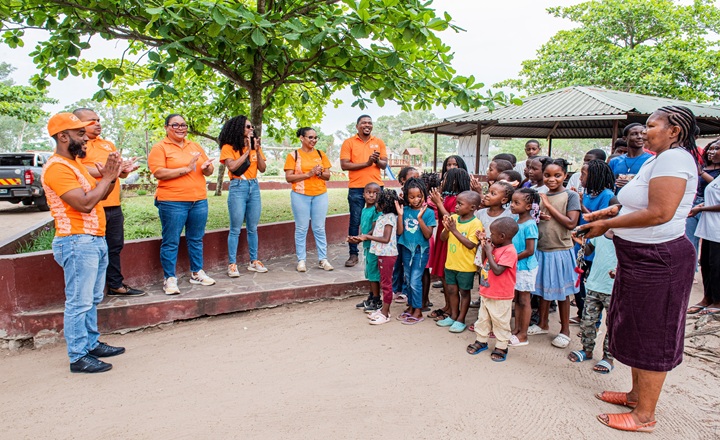
BCI brings Christmas Solidarity to the Arco-Íris Shelter Center
2026-11-10

policy
Paraguayan president faces impeachment
2026-11-07
Society
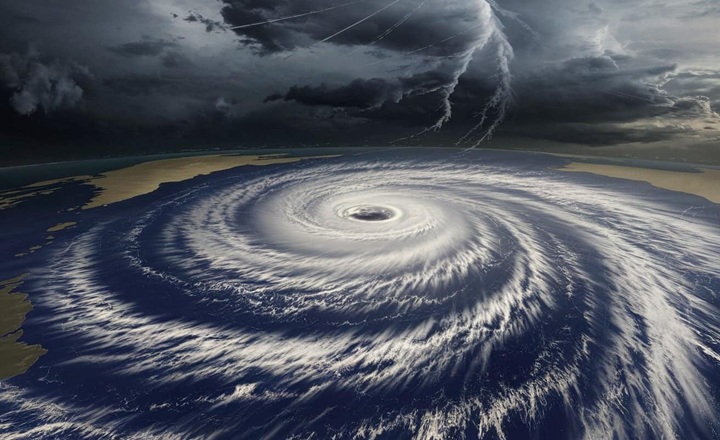
Tropical Depression Formed in the Indian Ocean
2026-11-07
Society
BCI hosts Inter-University Conference on Access to Justice
2026-11-07
Copyright Jornal Preto e Branco All rights reserved . 2025