
El Niño threatens 5.3 million people in Mozambique and could cost 18.4 billion meticais
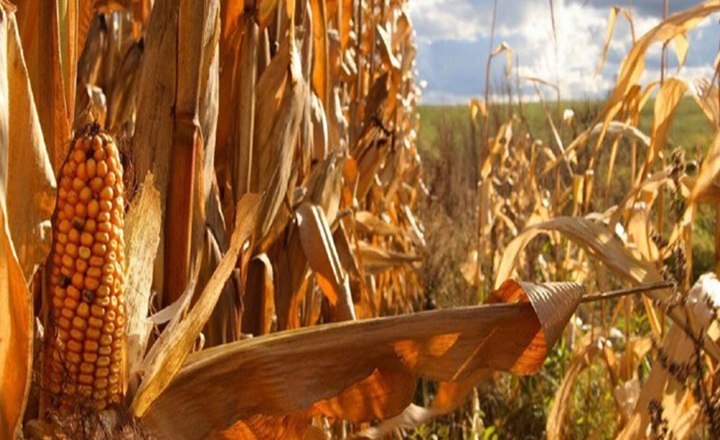
Mozambique is on red alert. The government estimates that the El Niño phenomenon, which began in May 2026 and is expected to last until April, could affect 5.3 million people and cause losses exceeding 18.4 billion meticais as early as 2027.
The warning is contained in the 2027 Fiscal Risks Report from the Ministry of Finance, which places natural disasters at the top of the threats to the sustainability of public finances and the country's fiscal consolidation strategy.
According to the document, the current El Niño episode could become "one of the most severe since 1950," surpassing those recorded in 2015/16 and 2023/24. The rainy season in Mozambique runs from October to April, a period during which the phenomenon is expected to remain active.
The report paints an asymmetrical climate picture. In the central and southern regions, where 76 semi-arid districts are concentrated, below-normal rainfall is predicted, increasing the risk of severe drought. In the north, however, normal to above-normal rainfall is expected, increasing the risk of floods and inundations—in an area already accustomed to annual cyclones and storms.
This situation, warns the Ministry of Finance, could reduce agricultural production, worsen food insecurity, compromise energy generation, and put pressure on public spending on health, humanitarian assistance, social protection, and reconstruction.
The government acknowledges that the impact of El Niño will not only be humanitarian, but also budgetary. With less revenue and more spending, the country's fiscal space is shrinking, at a time when Mozambique is trying to consolidate its finances.
Several international organizations have been warning in recent months that Mozambique is one of the countries most threatened by the next El Niño, predicting that it could be one of the most severe ever.
Outras noticias
Culture
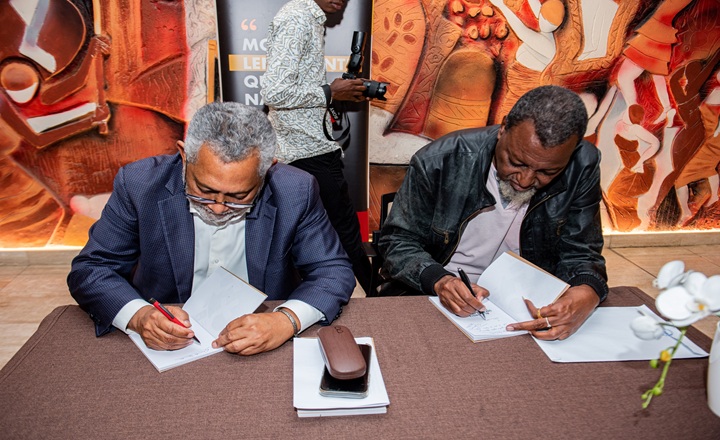
Launched at BCI, a book that immortalizes memories and humor of Zambézia
2026-10-02

Society
International Coffee Day
2026-10-02

Society
Minister Mathlombe squanders his term on empty promises
2026-10-02
policy
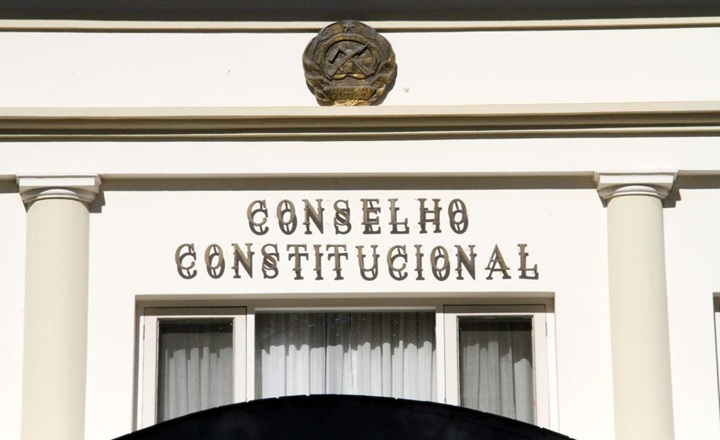
Constitutional Council Awards Purchase of Luxury Vehicles for 49.5 Million Meticais
2026-10-01
Culture
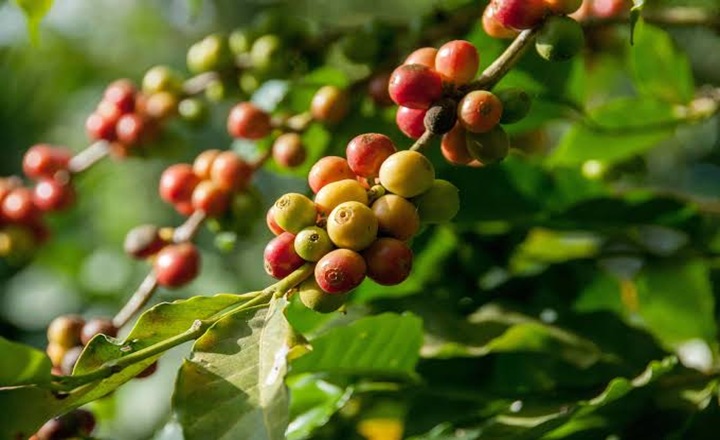
International Coffee Day: Aroma, Flavor, and History
2026-09-30
Copyright Jornal Preto e Branco All rights reserved . 2025