
Death of Bishop Osório Citora: Reforms in the Diocese of Quelimane and questions awaiting answers

The death of Bishop Osório Citora remains shrouded in doubt and unease, while authorities continue their investigations to clarify the circumstances of the crime that has shaken the Catholic Church and Mozambican society.
In Quelimane, the case has been followed closely by the faithful, religious figures, and community members, especially due to the context that preceded the prelate's death.
In recent months, Bishop Osório had been promoting a series of reforms considered profound in the organization of the Diocese of Quelimane, changes that sought to instill a new dynamic in the administration and pastoral action of the local Church.
The measures announced by the bishop included changes to the operational structure of the diocesan curia, a redistribution of responsibilities, and new pastoral guidelines aimed at bringing the Church closer to the communities. The objective, according to Bishop Osório himself, was to strengthen the evangelizing mission and ensure greater commitment and responsibility in the exercise of ecclesiastical functions.
However, sources connected to the Catholic community admit that some of these decisions were not received unanimously. Although there are no public expressions of opposition, there are indications that certain changes have caused discomfort in sectors affected by the new administrative guidelines.
During several public interventions, Dom Osório advocated for a more transparent, organized Church, focused on its spiritual mission. The bishop frequently warned against attitudes that, in his view, weakened the institution's credibility and compromised Christian witness.
His messages were marked by a firm discourse in defense of the renewal of the Church, the responsibility of its members, and the need to place Christ at the center of ecclesial life. This stance earned him recognition from many faithful, but may also have generated resistance among those who viewed the reforms with reservations.
Despite speculation circulating in social and religious circles, there is, to date, no official evidence or information establishing a link between the reform process and the bishop's death. Authorities are keeping the case under investigation and continuing to gather information to clarify the facts.
Meanwhile, the silence surrounding various aspects of the process continues to fuel questions. For many believers, the search for truth has become a matter of justice and respect for the memory of a religious leader who advocated for significant changes in the life of the Diocese of Quelimane.
Expectations now rest on the results of the investigations. Until new developments are known, questions remain about the events leading up to the death of Bishop Osório Sitora and about the challenges faced by a bishop who sought to lead a process of transformation within the Catholic Church in Quelimane.
Outras noticias

Culture
Launched at BCI, a book that immortalizes memories and humor of Zambézia
2026-10-02

Society
International Coffee Day
2026-10-02

Society
Minister Mathlombe squanders his term on empty promises
2026-10-02
policy
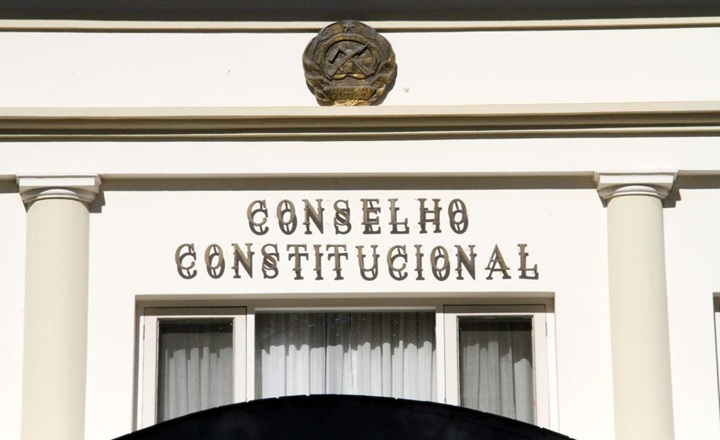
Constitutional Council Awards Purchase of Luxury Vehicles for 49.5 Million Meticais
2026-10-01

Culture
International Coffee Day: Aroma, Flavor, and History
2026-09-30
Copyright Jornal Preto e Branco All rights reserved . 2025