
Between post-election violence and persistent impunity
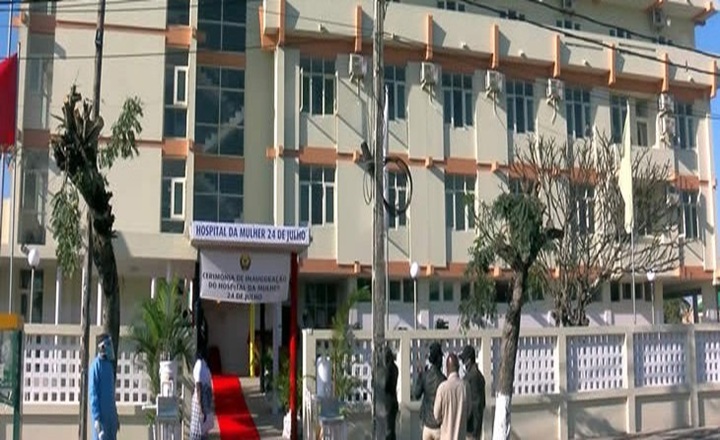
According to the latest report from Human Rights Watch (WRW), there is tension between the apparent normalcy on the streets of Maputo and the reality documented by international organizations. It has highlighted testimonies from victims of the post-election repression of 2024-2025 as a common thread, contrasting with the official response of the Mozambican government.
However, the calm that prevails on Maputo's main avenues hides a parallel reality documented by international reports.
While the Mozambican government celebrates economic progress, Human Rights Watch (HRW) paints a grim picture of the human rights situation in the country.
On one hand, authorities claim that security forces acted to contain disturbances; on the other, witnesses and local organizations describe a scenario of systematic repression.
Furthermore, impunity for state agents emerges as a common denominator in HRW's annual reports on Mozambique.
Despite international appeals, Mozambican civil society continues to face severe restrictions in its monitoring work.
In short, the country is navigating between the need for national reconciliation and the risk of a lasting democratic backsliding.
Human Rights Watch has consistently documented that since the October 2024 elections, Mozambique has plunged into a spiral of violence that has left dozens dead and hundreds detained. The organization's 2026 World Report describes a scenario in which security forces have repressed peaceful demonstrations with live ammunition and tear gas, frequently targeting young people and activists.
The New York-based organization points to a pattern of arbitrary detentions that continued into 2025. Community leaders, journalists, and members of non-governmental organizations were detained without a warrant, many remaining incommunicado for periods exceeding the legally permitted limit. HRW underlines that civic space in Mozambique has deteriorated significantly, with the increasing criminalization of social protest.
One of the most critical points in HRW's reports is the lack of accountability. Despite documented reports of extrajudicial killings and torture in detention centers, no police or military officer has been held accountable. This structural impunity, according to the organization, sends a clear message that the state tolerates abuses as long as they serve to maintain order.
The Mozambican government has consistently rejected the accusations, calling HRW's reports "exaggerated" and "taken out of context." However, the absence of independent investigations into the documented deaths keeps international scrutiny high.
According to analysts, Mozambique's trajectory depends on its ability to restore trust in institutions. Without accountability and without space for civil society, the country risks consolidating a governance model based on force, not consent.
Outras noticias
Culture
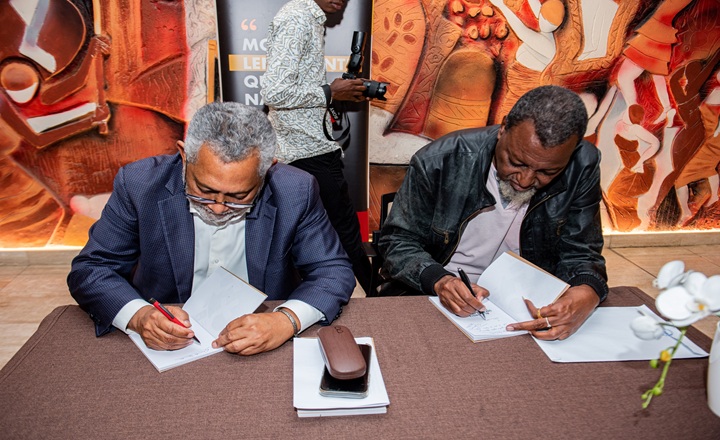
Launched at BCI, a book that immortalizes memories and humor of Zambézia
2026-10-02
Society
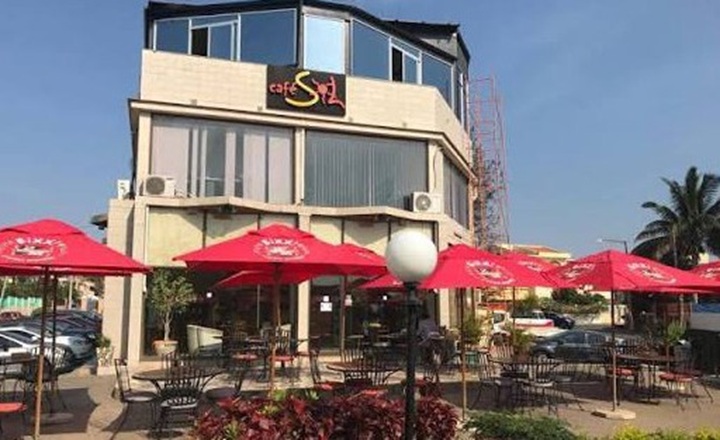
International Coffee Day
2026-10-02
Society
Minister Mathlombe squanders his term on empty promises
2026-10-02
policy
Constitutional Council Awards Purchase of Luxury Vehicles for 49.5 Million Meticais
2026-10-01

Culture
International Coffee Day: Aroma, Flavor, and History
2026-09-30
Copyright Jornal Preto e Branco All rights reserved . 2025