
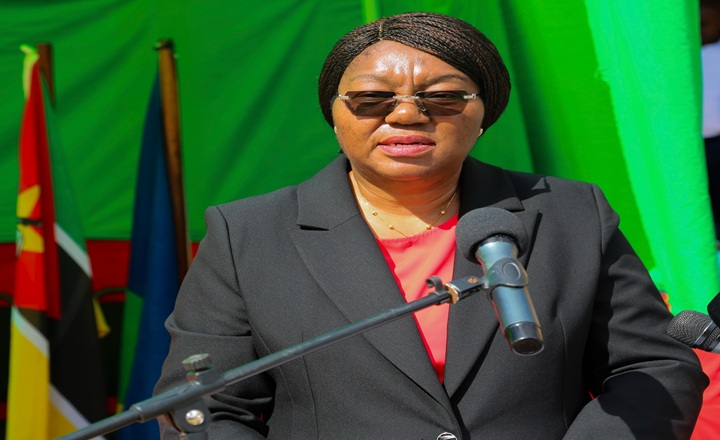
Arsénia Massingue highlights the cooperation between SADC member states
Throughout its history, the Southern African Development Community (SADC) has established itself as an important platform for cooperation among its member countries in the region, contributing to the promotion of peace, stability, economic development, regional integration, and the improvement of people's living conditions.
Therefore, the Secretary of State in the Province of Inhambane, Arsénia Massingue, greets the President of the Republic, Daniel Francisco Chapo, for his leadership and commitment to consolidating friendly relations and cooperation with the brotherly countries of Southern Africa, reaffirming that a more integrated, peaceful and healthy region is an essential condition for the sustainable development that everyone aspires to in SADC.
Speaking at the closing of SADC Week on Monday, August 17th, in the city of Maxixe, which took place under the theme: "Promoting quality health, strengthening the well-being of SADC communities," Arsénia Massingue said that Mozambique reiterates, in this context, its commitment to the ideals of SADC and to strengthening the bonds of friendship, solidarity, and cooperation that unite the Member States.
"It is a great source of satisfaction for us to celebrate this important date in this city, recognized for its economic dynamism, its strategic importance in connecting different points of the Inhambane Province, and the role it plays in the social and economic life of our province."
The leader emphasized that the motto of this celebration "calls us to promote quality health, understood not only as the existence of health units, but as the guarantee of universal and equitable access to effective, safe, humane and sustainable services."
The government understands that this means ensuring qualified professionals, essential medicines, appropriate technologies, adequate infrastructure, and healthcare focused on people's needs, as well as guaranteeing that no one is excluded because of their economic status, age, gender, or geographic location.
"Our region continues to face significant health challenges. Communicable diseases, such as HIV and AIDS, Tuberculosis, and Malaria, continue to require coordinated prevention and control efforts. At the same time, non-communicable diseases, particularly cancer, are becoming increasingly important and demand greater attention to prevention, early diagnosis, treatment, and patient follow-up," he said.
According to the Secretary of State in Inhambane Province, public health challenges are also linked to phenomena that transcend national borders. "Disease outbreaks, population mobility, migration, food insecurity, humanitarian crises, and extreme weather events require cooperation mechanisms and coordinated responses."
Therefore, it argues that the capacity to prevent, prepare for, and respond to public health emergencies must be continually strengthened.
He further emphasized that regional experience demonstrates that informed, empowered, and actively involved communities contribute to the success of vaccination campaigns, HIV, tuberculosis, and malaria prevention, epidemiological surveillance, and responses to health emergencies.
Arsénia Massingue emphasizes that health cannot be the sole responsibility of the health sector, and warns that food, water, sanitation, education, the environment, social protection, housing, employment, youth, and equal opportunities have a direct influence on the health and well-being of populations.
"We need to continue working in an integrated way, invest in human resources, improve infrastructure, reinforce the availability of essential medicines, strengthen food and nutritional security, and we need to combat violence and drug use, especially among young people, through preventive actions and coordinated responses, these being the areas identified as priorities within the framework of regional cooperation in health," Massingue stressed.
Outras noticias
Culture
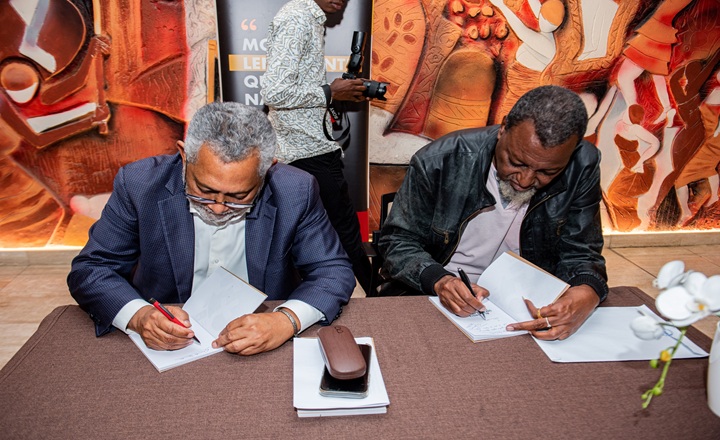
Launched at BCI, a book that immortalizes memories and humor of Zambézia
2026-10-02

Society
International Coffee Day
2026-10-02

Society
Minister Mathlombe squanders his term on empty promises
2026-10-02
policy
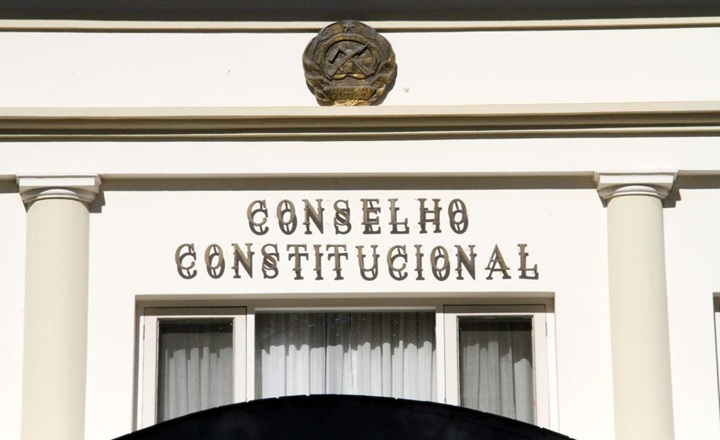
Constitutional Council Awards Purchase of Luxury Vehicles for 49.5 Million Meticais
2026-10-01
Culture
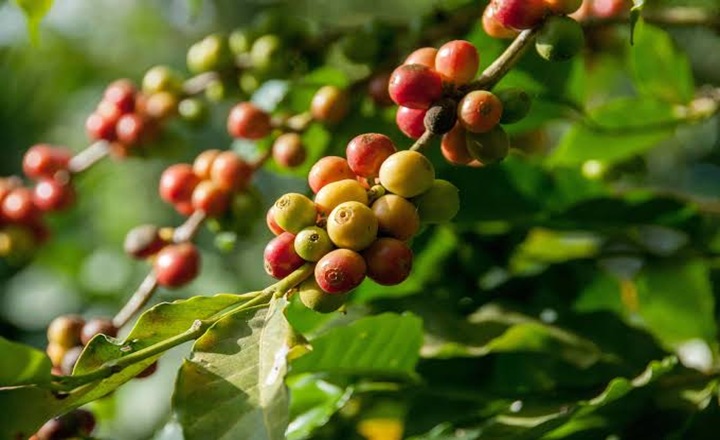
International Coffee Day: Aroma, Flavor, and History
2026-09-30
Copyright Jornal Preto e Branco All rights reserved . 2025