
Arnaldo Manhice live with Mozambican soul and North American rhythms

He grew up listening to Boyz II Men and swaying to the sounds of marrabenta, but it was in church that he discovered his gift for singing. Now, Arnaldo Manhice, a Mozambican musician, is preparing for a historic moment: the live premiere of his first album, “I Original”, on a stage that breathes culture and memory – the Mafalala Museum.
Arnaldo Manhice is a Mozambican musician and composer whose sound navigates between two worlds: the influence of American black music and the unmistakable cadence of marrabenta. His main instrument is his voice, and it is with it that he has built an artistic identity deeply rooted in the references of the 90s.
It was during this decade that Manhice began performing the greatest hits of groups like Boyz II Men, Babyface, and the Backstreet Boys, but he also became enchanted by the Brazilian country music of Zezé di Camargo & Luciano and Chitãozinho & Xororó – a musical melting pot that would later shape his own style.
A resident of the Mahotas neighborhood in Maputo, it was in church that her talent began to emerge. As a child, she joined the children's choir, where gospel music gave her her first lessons in stage presence, expression, and vocal delivery. It was there that she learned that singing is more than just tuning – it's about bearing witness.
Since 2025, Arnaldo has released his debut album, "I Original," which includes songs like "You are my Love" and "Macamo," two tracks that have already gained prominence among fans of new Mozambican music. Throughout his career, the singer has shared stages with renowned names in the national scene, such as Hortêncio Langa and Roberto Chitsondzo, which has given him maturity and visibility in the artistic world.
And it is with this background that Arnaldo Manhice will perform this Saturday, August 1st, at 6:30 pm, at the Mafalala Museum – a space laden with historical and cultural symbolism. The concert promises to be more than just a show: it will be an encounter between generations, rhythms, and memories, where Arnaldo's voice will echo as a bridge between the past and present of Mozambican music.
Outras noticias
Culture
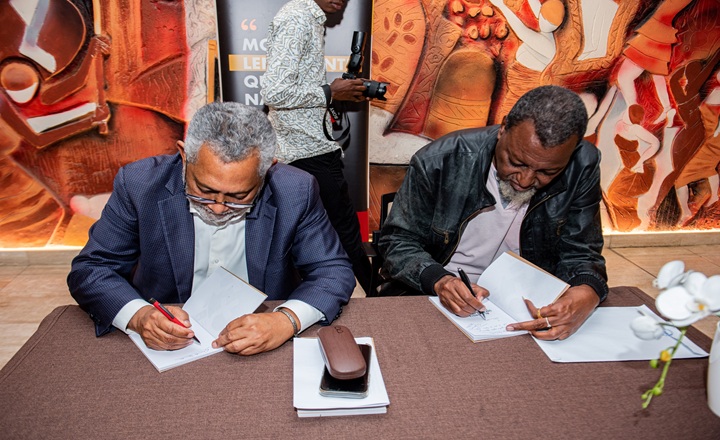
Launched at BCI, a book that immortalizes memories and humor of Zambézia
2026-10-02
Society
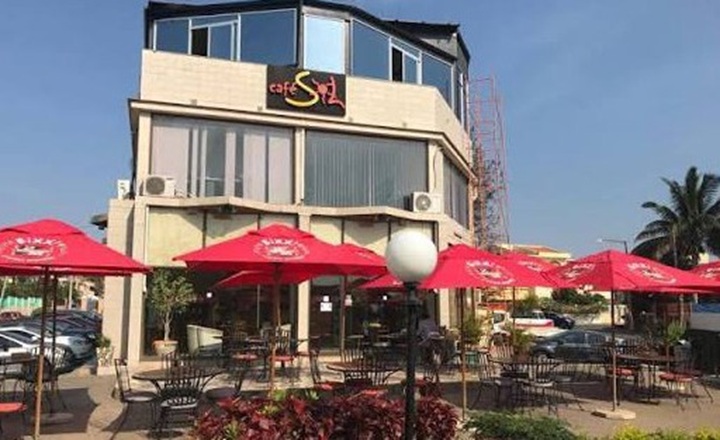
International Coffee Day
2026-10-02
Society
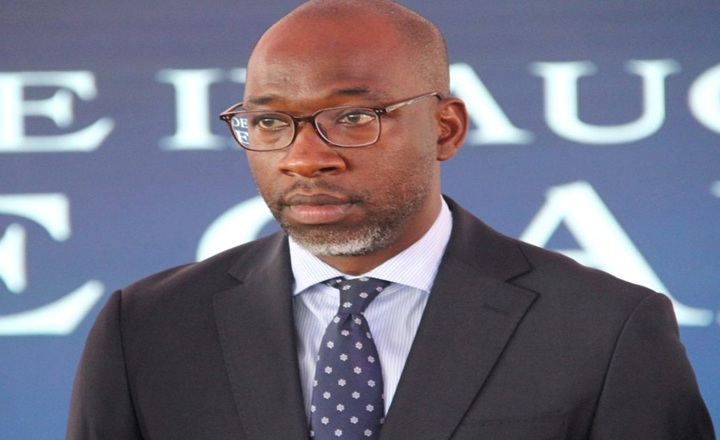
Minister Mathlombe squanders his term on empty promises
2026-10-02
policy
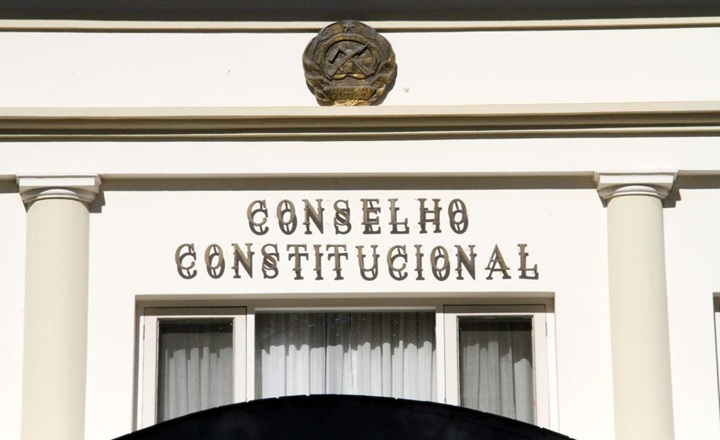
Constitutional Council Awards Purchase of Luxury Vehicles for 49.5 Million Meticais
2026-10-01
Culture
International Coffee Day: Aroma, Flavor, and History
2026-09-30
Copyright Jornal Preto e Branco All rights reserved . 2025